
Last updated November 20, 2026
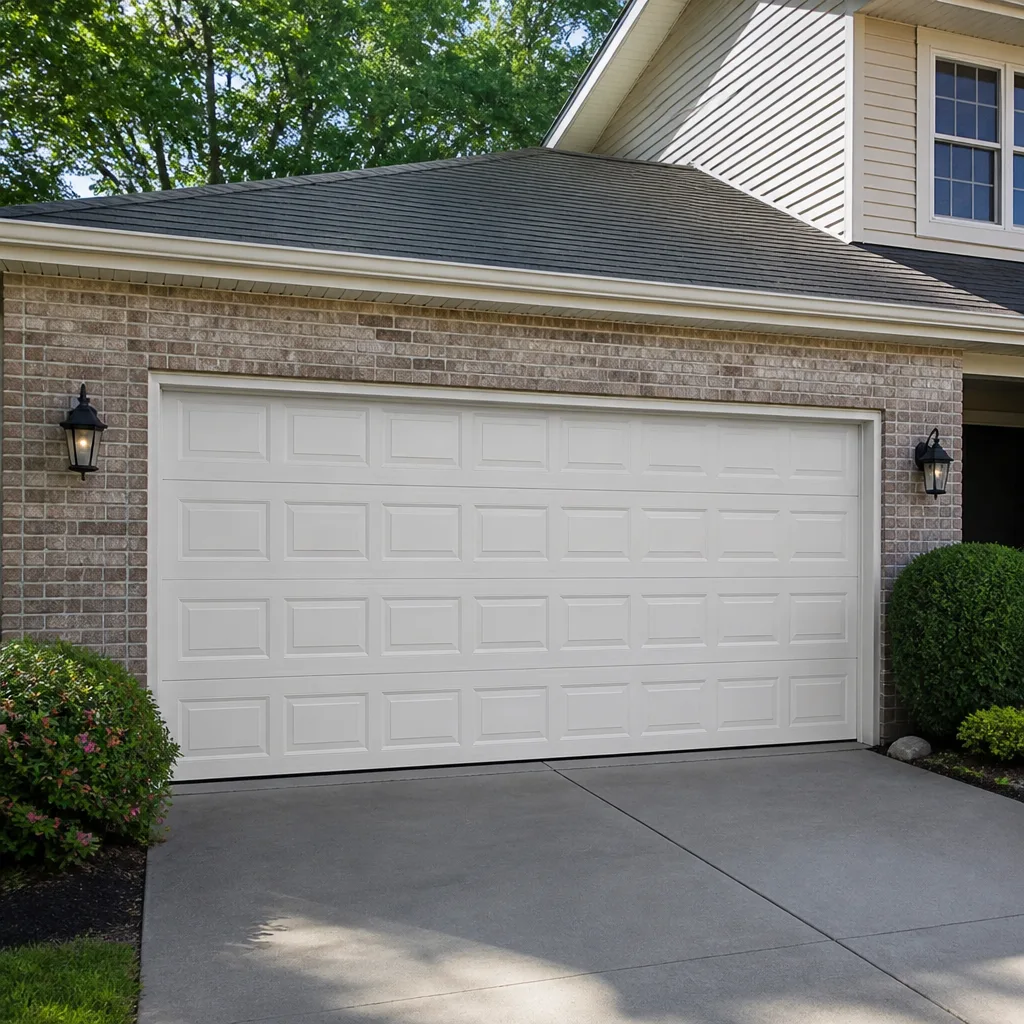 Raised-panel steel
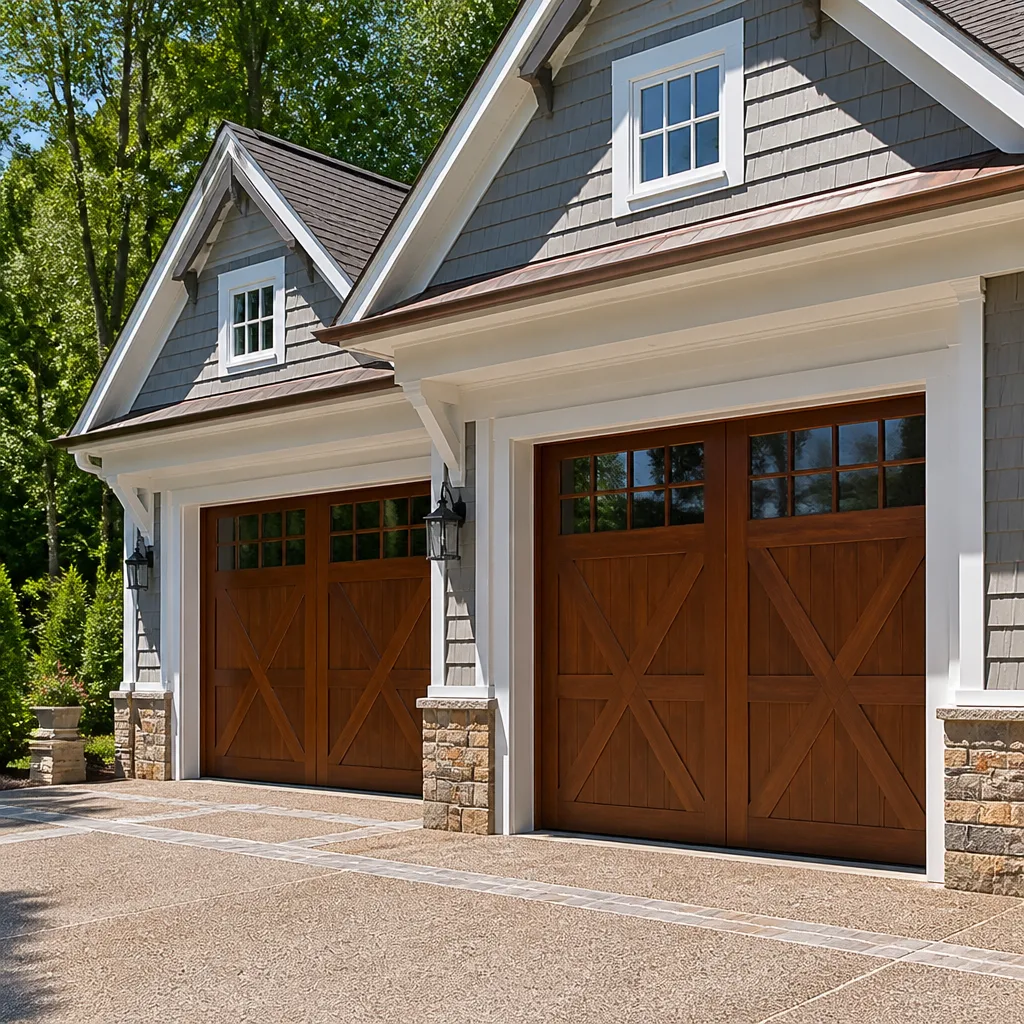 Carriage house
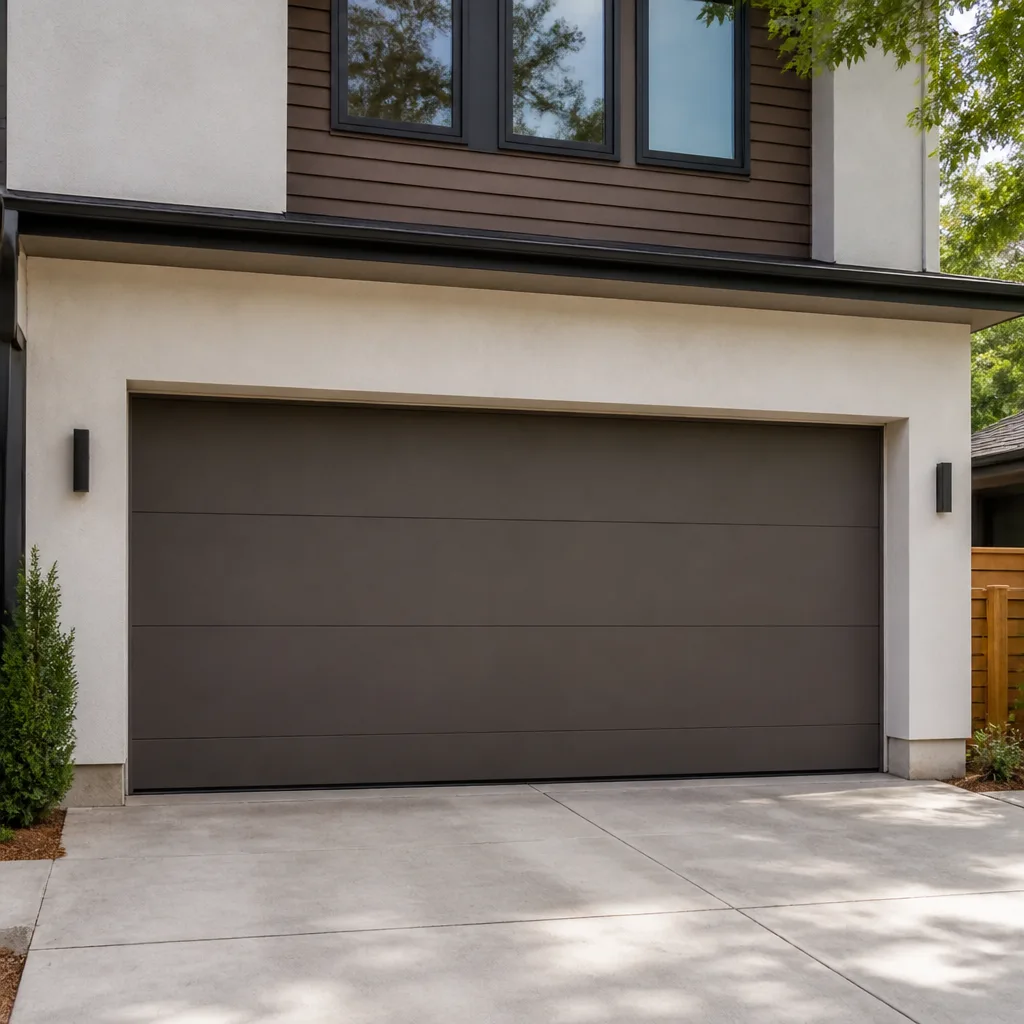 Modern flush
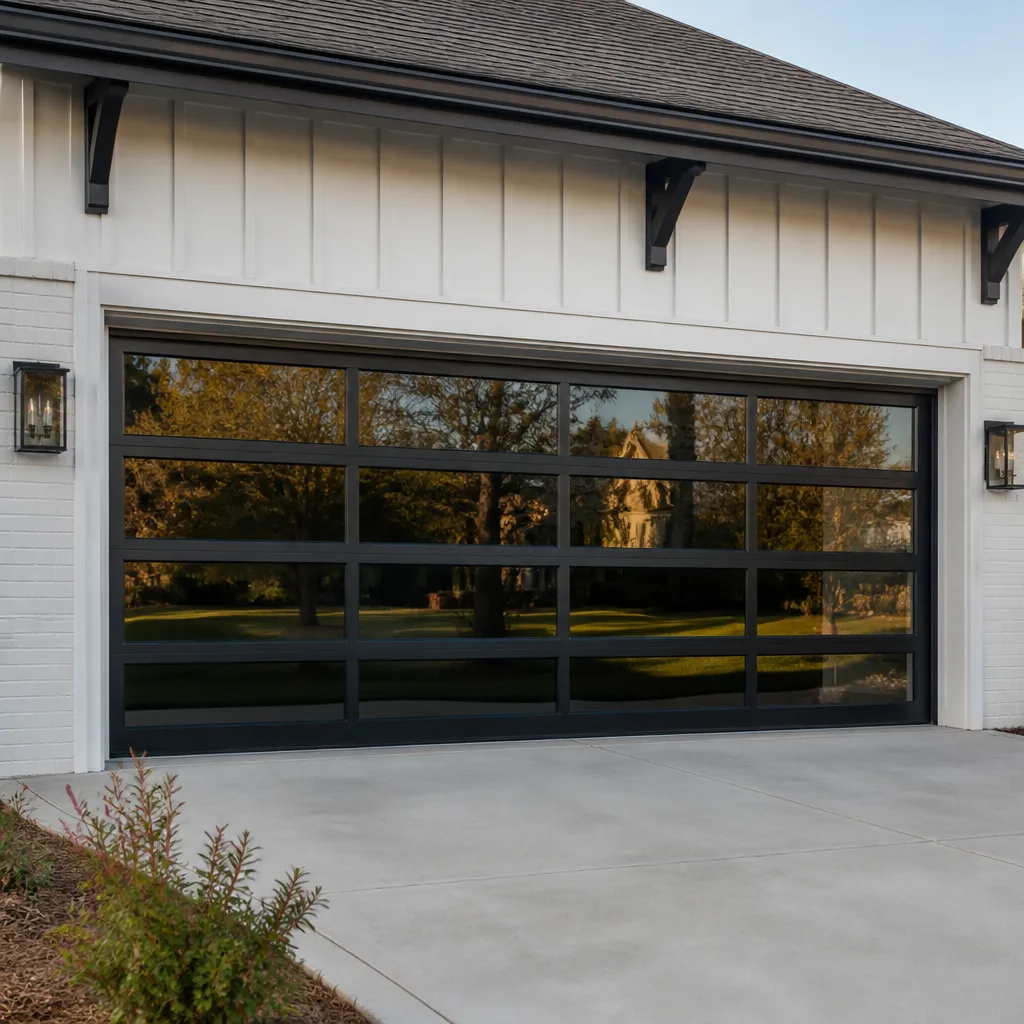 Full-view glass
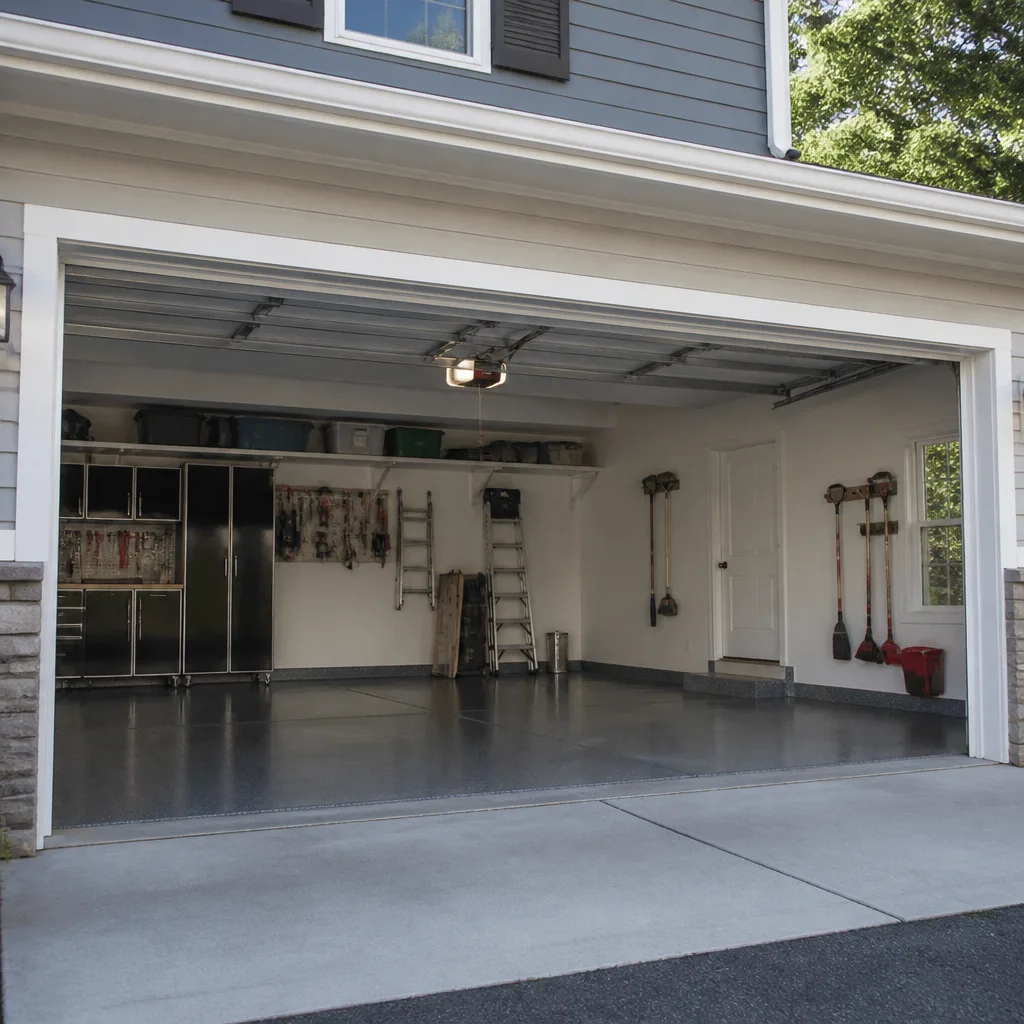 LiftMaster openers
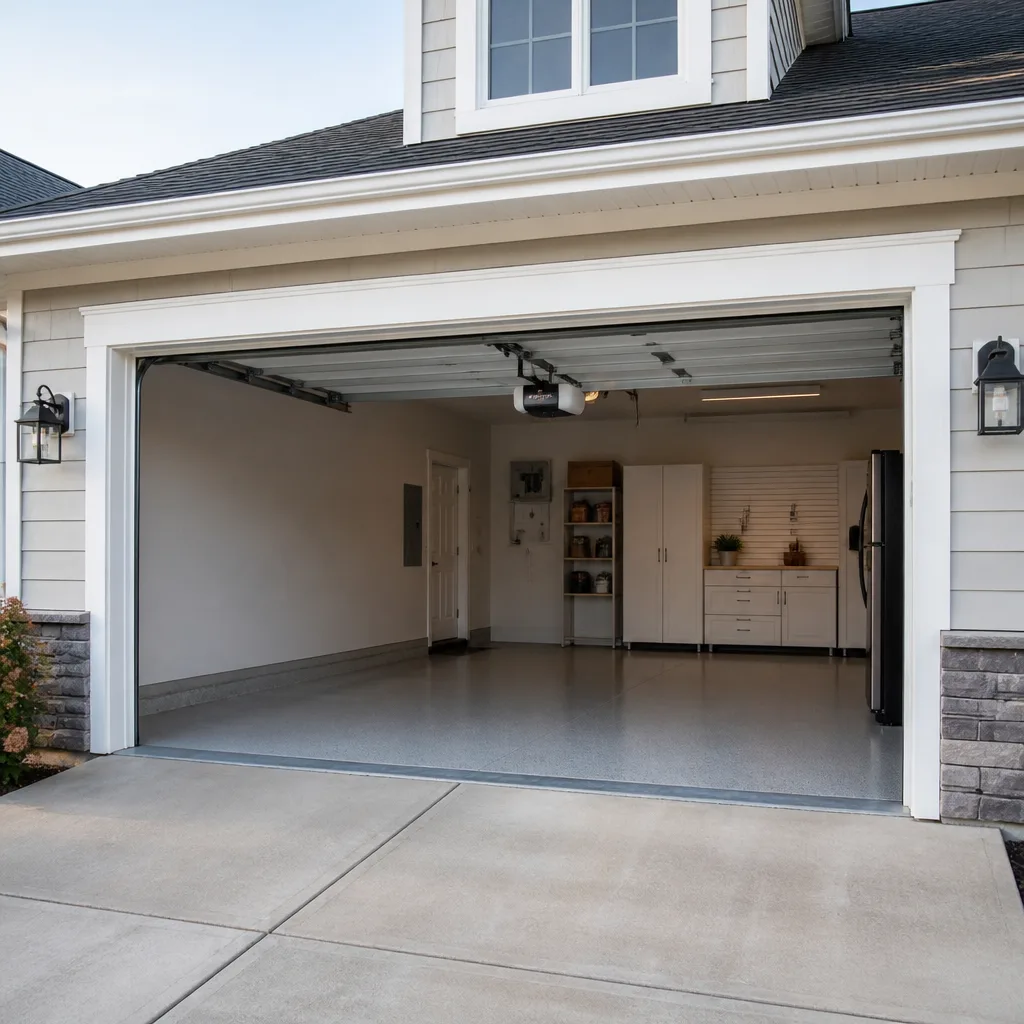 Chamberlain openers
Full 25-point door and opener safety check with every visit - springs, cables, rollers, tracks, and your LiftMaster or Chamberlain opener included
You get a price before we start. It does not change when the pro arrives.
Get your free estimateGarage Door Emergency Preparedness Guide for Broad Ripple Homes
Most homeowners have a plan for a power outage, a burst pipe, or a flooded basement. Very few have one for the garage door. That’s the gap that catches people: the door is the largest moving object in the house, it’s attached to the power grid, and when it fails it can strand a car, leave the house unsecured, or block the route to stored emergency gear. During the ice storm that cut power across Indianapolis in January 2024, plenty of households found out the hard way that an electric opener is useless when the grid is down. This guide walks through what to do, what to check, and what to keep ready. Everything here applies to a typical Broad Ripple home with a typical sectional door.
Quick Answer
Preparing your Broad Ripple garage door for an emergency takes about twenty minutes and comes down to three things: knowing how to use the manual release safely, keeping a battery backup opener or a labeled emergency card on hand, and knowing who to call when the problem is a broken spring rather than a dead outlet. Never pull the release cord on a door with a suspected broken spring. That’s the one rule that matters most.
Styles & brands we work with
- Raised-panel steel
- Carriage house
- Modern flush
- Full-view glass
- LiftMaster openers
- Chamberlain openers
Table of Contents
- How Do You Open a Garage Door During a Power Outage?
- What Does the Emergency Release Cord Do, and When Should You Not Use It?
- Are Battery Backup Openers Worth It in Central Indiana?
- How Do You Secure a Garage Door That Fails Mid-Open?
- What If a Vehicle Is Trapped During an Emergency?
- What Belongs on a Garage Emergency Card?
- What Belongs in a Garage Emergency Kit?
- Why Broad Ripple Homes Face Particular Garage Door Risks
How Do You Open a Garage Door During a Power Outage?
You open a garage door without power by disengaging the opener from the door and lifting it by hand, but only if the door is mechanically sound. If a spring is broken or the door feels unusually heavy, leave it closed and call a professional. The manual release is designed for a working door that has lost power, not for a damaged door that won’t move.
Here’s the sequence most homeowners never practice until they need it:
- Check that the door is fully closed. If the door is partway open when the power dies, don’t force the release. A partially open door under tension can behave unpredictably, and that’s a job for a technician.
- Locate the red release cord. It hangs from the trolley on the opener rail, usually within reach of the door.
- Pull the cord straight down and toward the door. You should feel the trolley disengage. If it doesn’t slide free, don’t yank it; stop and call.
- Lift the door slowly by hand. A properly balanced door should lift with one hand and stay put where you leave it. If it feels like lifting a refrigerator, a spring has likely failed. Close it gently and call a pro.
- Re-engage the opener only after power returns. Pull the cord again or run the opener to reconnect the trolley before using the button.
One important note for Broad Ripple households: older homes around the canal and along the side streets often have doors that haven’t been serviced in years. Age and wear make the manual release riskier, so if you’re unsure about the condition of the door, have it checked before you ever need to use it. When a door genuinely won’t move and you need boots on the ground, that’s what our Garage Door Repair Broad Ripple team handles.
What Does the Emergency Release Cord Do, and When Should You Not Use It?
The release cord disconnects the opener motor from the door so you can move the door by hand. You should not use it when a spring is broken or the door is stuck open partway, because the door’s weight is no longer under control. That’s the scenario that causes the worst injuries and damage.
Here’s the part most people miss. The springs are what counterbalance the door’s weight. On a standard sectional door, that weight runs into the hundreds of pounds. When the spring is intact, the door feels light because the spring is doing the work. When a spring snaps, the weight has nowhere to go but down, and the manual release takes away the last thing holding it. Pulling the cord on a broken-spring door can drop the door fast and hard.
So the rule is simple:
- Power outage, door sound: use the release.
- Broken spring, door heavy or hanging crooked: leave the door alone and call.
- Cable off the drum, door sagging on one side: leave it alone and call. Cables are under tension too.
- Loud bang from the garage, door won’t lift: assume a spring failure and keep hands off.
Spring and cable work is the highest-risk part of this trade, which is why it belongs to a trained technician. When you suspect a spring failure, our spring repair specialists are the ones to call, and in our experience the fix is usually straightforward once the right part is on site. If you’re sorting out whether the opener or the door itself is the problem, garage door opener repair is the place to start.
Are Battery Backup Openers Worth It in Central Indiana?
Yes, a battery backup opener is worth it for most Broad Ripple households that rely on their garage as the main entrance. Central Indiana gets ice storms and severe thunderstorms that knock out power for hours, and a battery backup keeps the door working through the outage. The tradeoff is cost and the fact that the battery needs replacing every few years.
The good news is that many modern openers from LiftMaster, Chamberlain, and Genie come with battery backup built in, and if you already own one of these brands, adding backup is often a matter of installing the right battery or module rather than replacing the whole unit. When you’re weighing options, ask three questions:
- How long does the battery last through an outage? Most backups are designed to open and close the door a limited number of times, not to run indefinitely. That’s enough for a few trips in and out, which is usually all a typical outage requires.
- What does it cost? A backup battery or module for an existing opener is the low end of the range; a full opener replacement with backup built in runs higher. The written estimate sets the final price, and we’ll quote it before any work begins.
- Will it work with the opener I already have? This depends on the brand and model. We work on the brand you already own, so we can tell you whether backup is a simple add or a replacement.
If your current opener is old enough that battery backup isn’t an option, a new unit with backup built in is worth considering. Our garage door installation team can walk you through the choices and measure your existing setup so the new opener fits the first time.
How Do You Secure a Garage Door That Fails Mid-Open?
You secure a garage door that fails mid-open by keeping the door from moving, covering the gap so it can’t be lifted, and calling a technician to fix the underlying problem. A door stuck partway open is a security gap, and the temporary fixes that work are the ones that physically prevent the door from being raised.
Here’s what actually helps:
- Vice grips on the track. Clamp a pair of locking pliers onto the vertical track just above a roller on each side. This stops the door from sliding up or down. This is the most reliable temporary hold.
- C-clamps on the track. Similar idea, a clamp above the bottom roller on each side keeps the door from rising.
- Block the gap. If the door is open enough for a hand to reach under, a piece of lumber laid across the opening at floor level keeps the door from being pushed up from outside.
- Lock the side lock if you have one. Older doors with manual side locks can be locked, which adds a layer.
What doesn’t work: propping the door with a broom handle, wedging something into the gap that can slip, or trying to force the door down by hand. Those approaches either fail or make the damage worse. And don’t leave a partially open door overnight if you can avoid it. If the door won’t close and you need it secured, call and we’ll get a technician out. We answer 24/7, and a call outside dispatch hours is booked into the next opening, Sunday through Friday, 7am to 7pm.
What If a Vehicle Is Trapped During an Emergency?
If a vehicle is trapped because the door won’t open, first try the manual release if the door is sound. If the door is damaged or the spring is broken, don’t force it with the car. Call for a technician and treat the trapped vehicle as a scheduling problem, not a force-it problem.
Broad Ripple’s narrow side streets and tight driveways make this worse than it sounds. In many homes, the garage is the only way a car gets out without backing into traffic. So when the door fails, the household is stuck, and that’s when people are tempted to ram the door or drag it up with the car. Neither works, and both cause expensive damage.
What to do instead, in order:
- Confirm the door is sound before using the release. If the door lifts with one hand and stays put, use the manual release and back the car out.
- If the door won’t move safely, leave the car. Call (833) 968-9838. We answer 24/7, and a same-day dispatch is often possible during weekday hours.
- Clear the path. Move anything in the garage that would block the technician from reaching the door and opener.
- Have your vehicle ready to move. Once the door is working, you’ll want to get the car out before the technician leaves, especially if the repair is temporary.
If the car is trapped outside because the door won’t close, the priority shifts to securing the house. A door that won’t close leaves the garage open to the street, and in a walkable neighborhood like Broad Ripple that gap matters. Get the door stable, then get it fixed.
What Belongs on a Garage Emergency Card?
A garage emergency card should list the manual release steps, the phone number for a garage door technician, the location of the opener’s disconnect switch, and the location of the garage’s circuit breaker. Keep it where anyone in the household can find it fast, ideally taped inside the garage near the entry door.
The card takes ten minutes to make and pays off the first time something goes wrong. Here’s what to put on it:
- Manual release steps, in plain language. “Pull red cord straight down, lift door slowly by hand, stop if door feels heavy.”
- Our number: (833) 968-9838. Add a note: “We answer 24/7.”
- Opener disconnect. Where the opener plugs in or where its switch is located. For most homes this is the ceiling outlet or a wall switch near the entry door.
- Circuit breaker. Which breaker controls the garage, and where the panel is. Label it clearly.
- Brand and model of the door and opener. LiftMaster, Chamberlain, Genie, Raynor, and the rest. Knowing the brand saves time on the phone and helps us bring the right part.
- “Do not pull the release if the door is heavy or a spring is broken.” This line matters more than any other on the card.
Print it, laminate it, and tape it inside the garage where it’s visible from the entry door. If you have multiple drivers in the house, walk everyone through the card once, especially anyone who’s never used a manual release.
What Belongs in a Garage Emergency Kit?
A garage emergency kit should include locking pliers, a flashlight that works without power, a couple of C-clamps, a piece of lumber for blocking, and the emergency card. Together these cover the most common garage failures: a door that won’t open, a door that won’t stay closed, and a door that needs to be secured temporarily.
Here’s a practical list, small enough to fit in a plastic bin on a shelf:
- Locking pliers or vice grips. Two pairs, one for each track. These are the most useful item in the kit.
- C-clamps. Two, sized to fit the track.
- A flashlight and spare batteries. An outage means no garage light.
- A short length of lumber. For blocking a partially open door.
- The emergency card. Or a copy of it.
- A printed note with our number. (833) 968-9838.
Keep the bin where you can reach it without moving the car. That’s the detail people overlook: if the kit is behind the car and the door won’t open, the kit is useless. Mount it on the wall near the entry door instead. And check the batteries once a year when you change the smoke detector batteries.
Why Broad Ripple Homes Face Particular Garage Door Risks
Broad Ripple homes face particular garage door risks because of the neighborhood’s mix of older housing stock, tight driveways, tree cover, and weather that swings hard between seasons. The same qualities that make Broad Ripple a great place to live make its garages work harder than average.
Here’s what we see in the neighborhood:
- Older doors and openers. Many homes around Broad Ripple were built decades ago and still run their original doors or openers. Older parts wear out, and older openers often lack battery backup.
- Mature trees. Broad Ripple’s tree canopy is one of its best features, but limbs come down in storms and can hit a door or the opener rail. After a storm, check the door before using it.
- Freeze-thaw cycles. Central Indiana winters swing above and below freezing repeatedly. That cycle works on springs and cables, and it’s one reason spring failures cluster in cold snaps.
- Tight driveways and alley access. Many Broad Ripple homes have short driveways or garage access from an alley. When a door fails, there’s often no easy way around it, which makes the manual release and the emergency card more important.
- Moisture and humidity. Indiana summers are humid, and garages without climate control see rust on tracks, hinges, and springs. Rusty hardware is more likely to fail.
None of this is a reason to worry. It’s a reason to spend twenty minutes on prep and to have the door serviced before something fails. If a spring or opener is on its last legs, our garage door repair team can catch it before it strands you.
Common Mistakes to Avoid
- Pulling the manual release on a broken-spring door. This is the mistake that causes the most injury. If the door feels heavy or won’t lift evenly, stop and call.
- Storing the emergency kit behind the car. If the door won’t open, you can’t reach a kit that’s blocked by the vehicle. Mount it on the wall near the entry.
- Assuming the opener is the problem when it’s the door. A door that won’t open is often a spring or track issue, not an opener issue. Diagnosing it wrong wastes a service call.
- Ignoring a door that opens unevenly. A door that lifts crooked is a sign of a failing spring or cable, and it gets worse. Have it checked before it fails completely.
- Skipping battery backup on a new opener. If you’re replacing an opener anyway, backup costs less than a second service call during an outage.
- Forcing a stuck door with a vehicle. It doesn’t work and it damages the door, the opener, and the car. Call us instead.
- Never testing the manual release. Practice it once while the power is on and the door is sound, so you know the feel before you need it.
See the difference
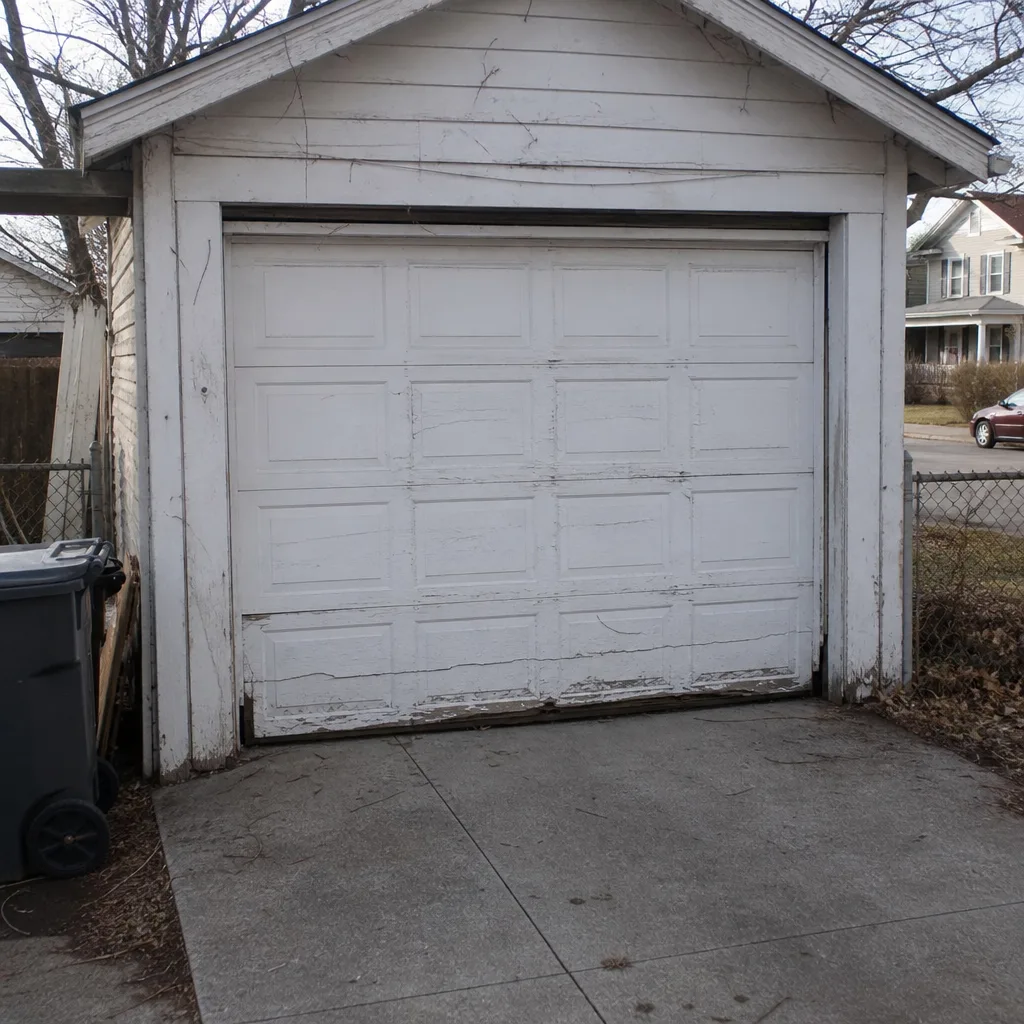 Before
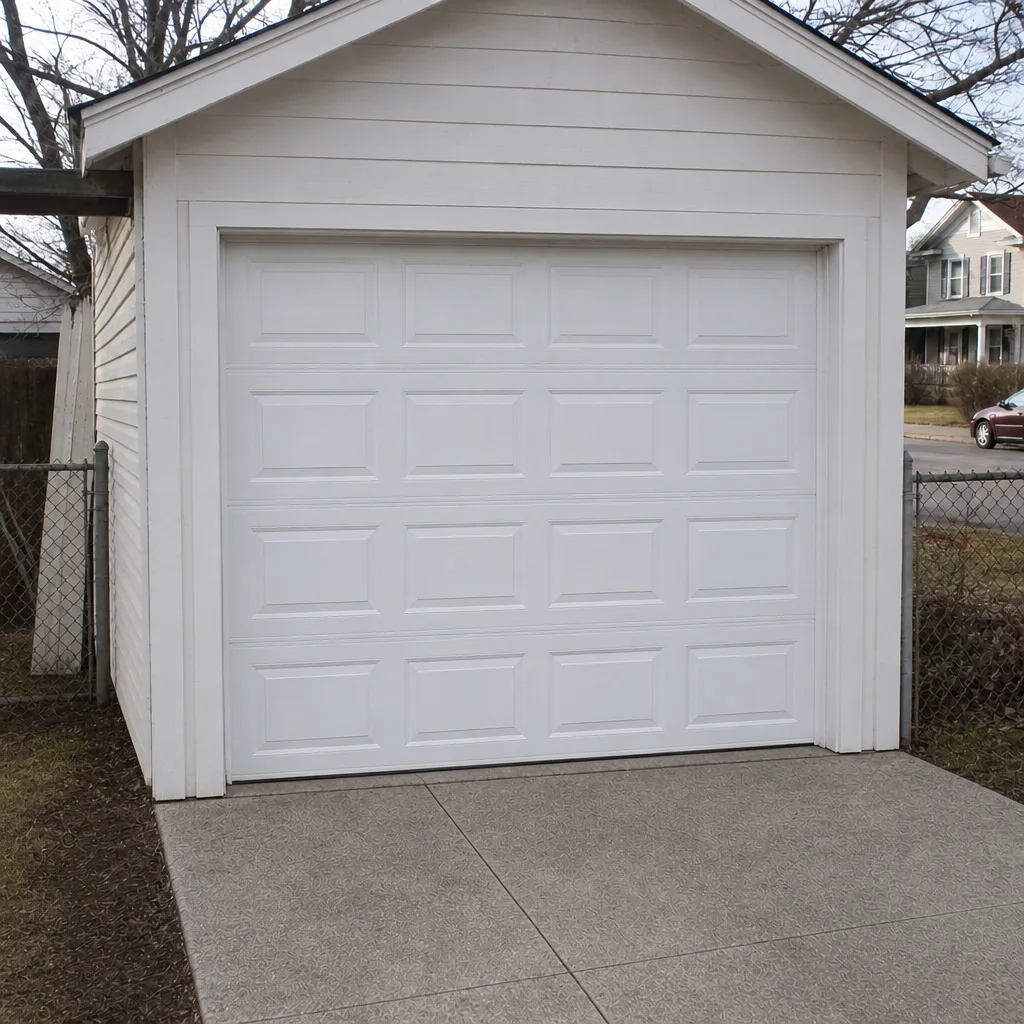 After
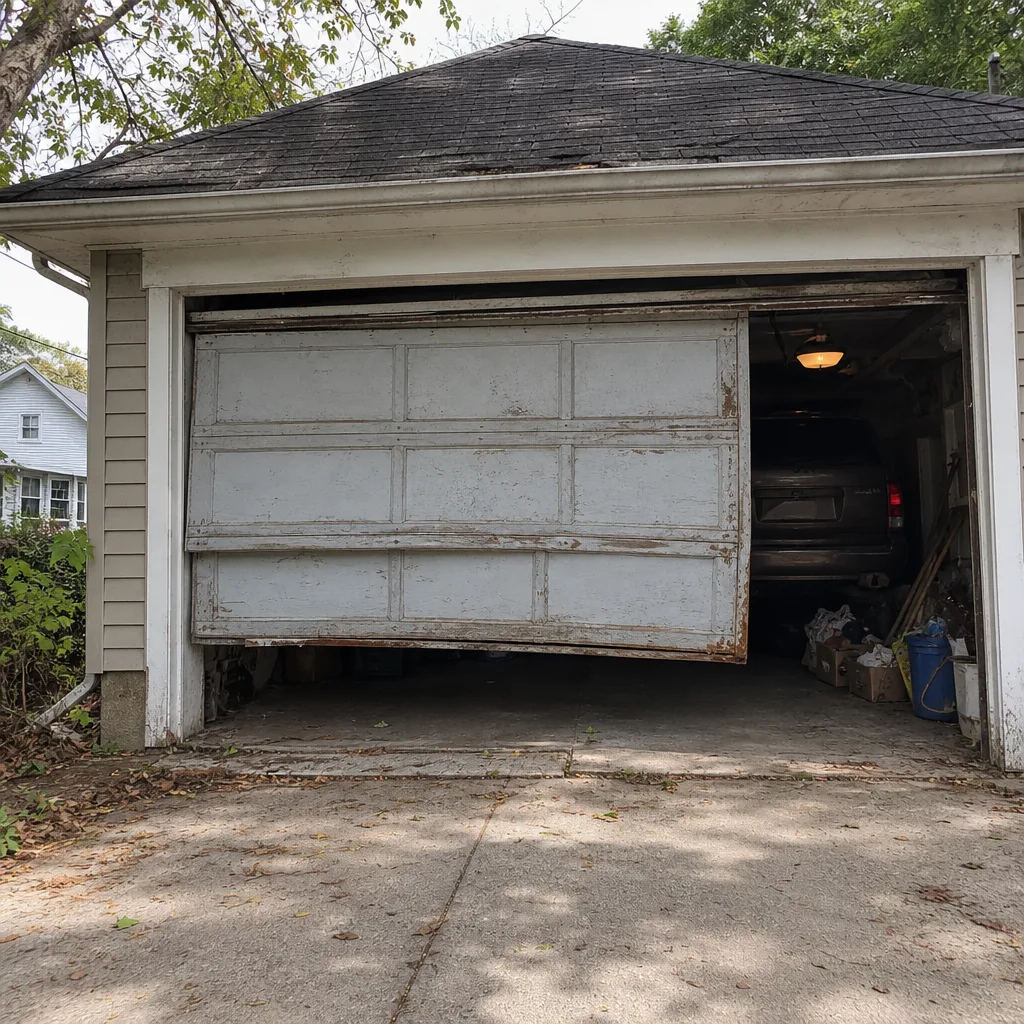 Before
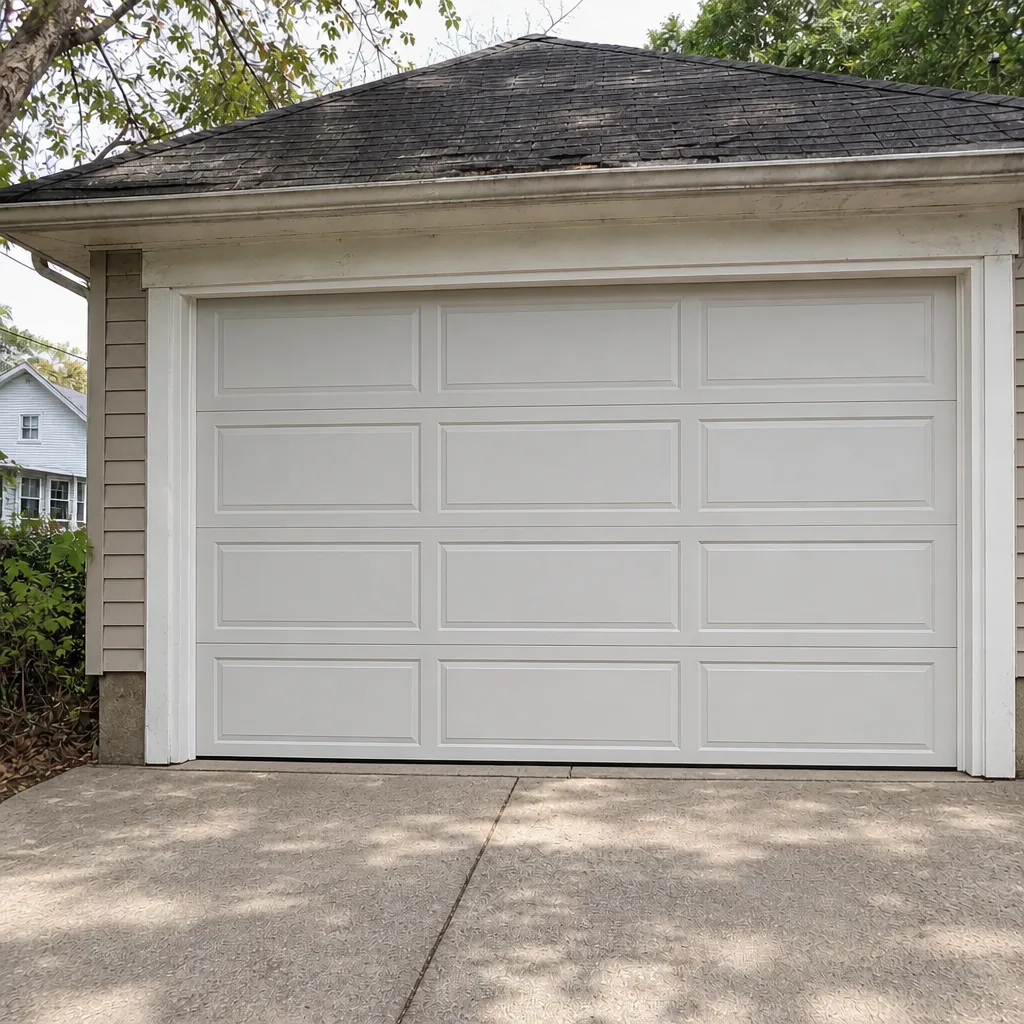 After
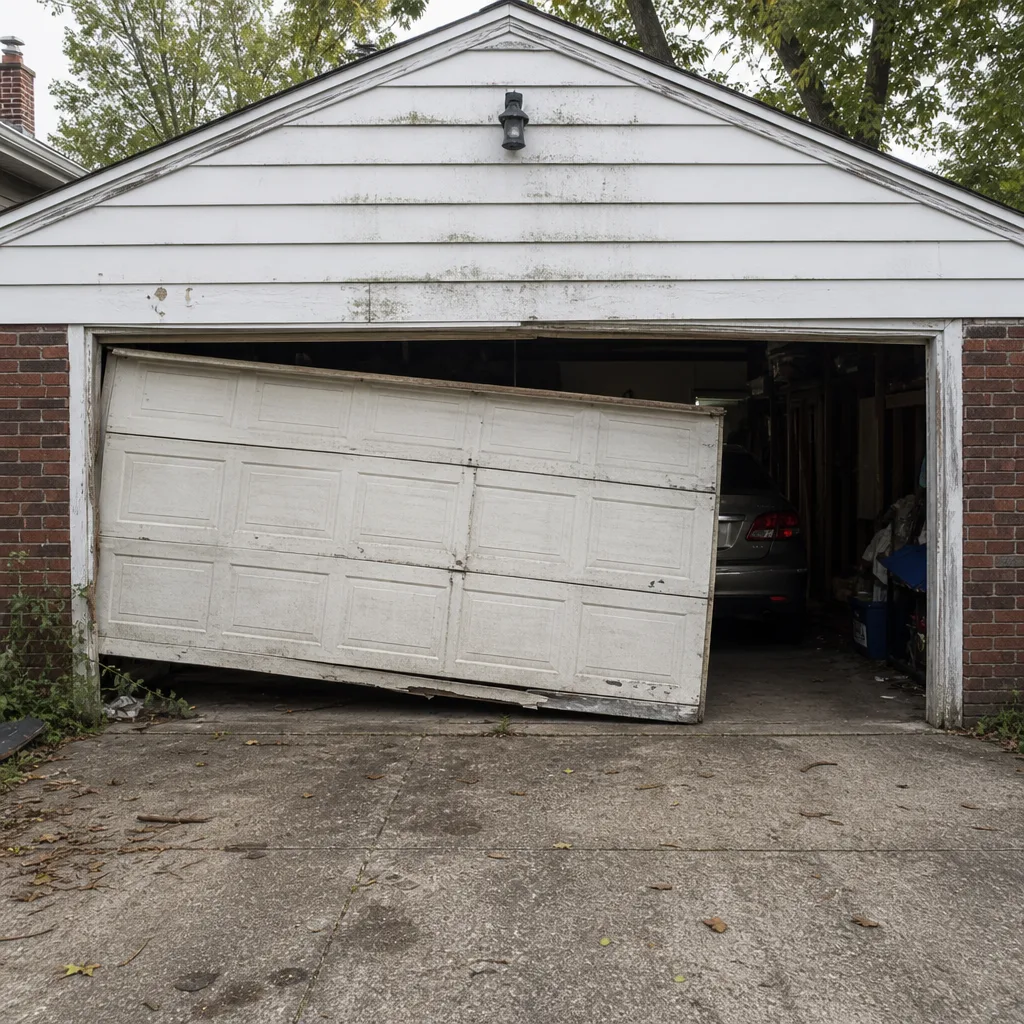 Before
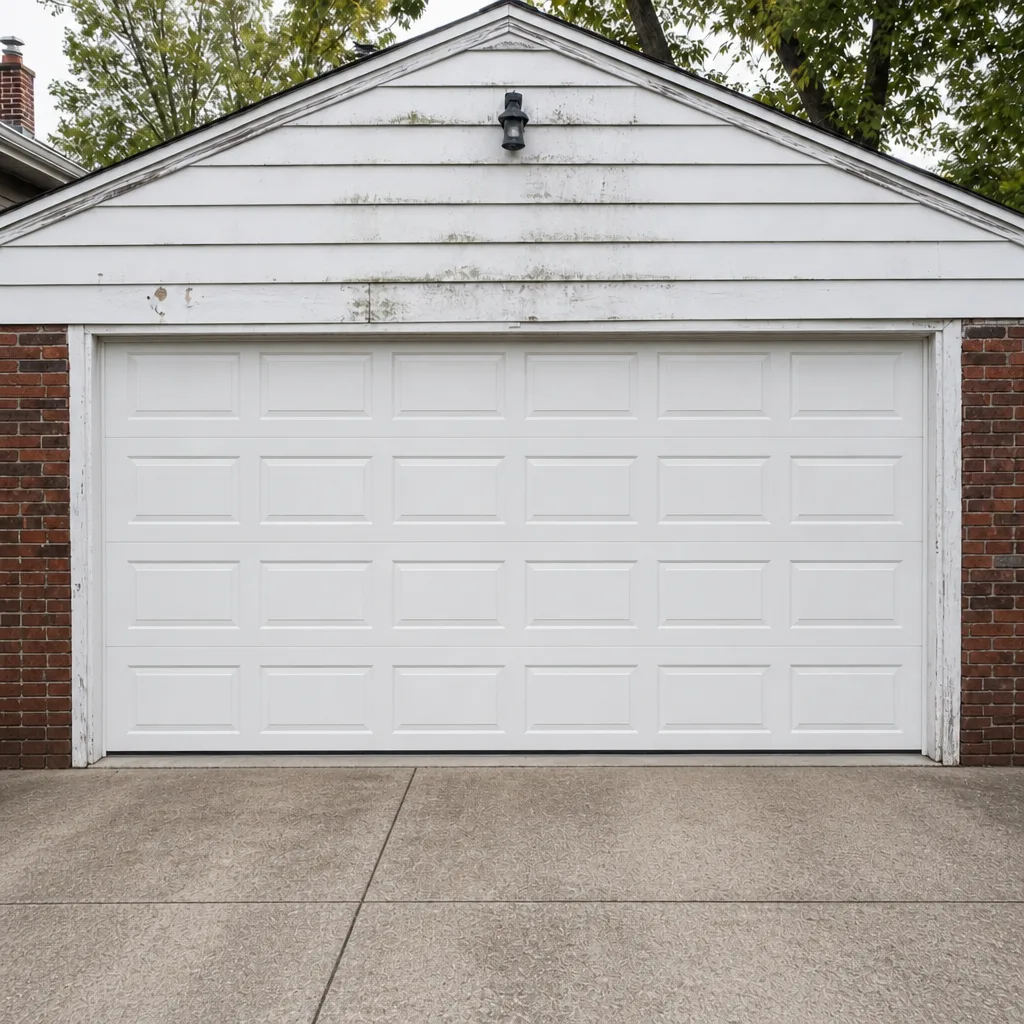 After
When to Call a Professional
Call a professional when the door won’t move without force, when you hear a bang and the door hangs heavy, when a cable looks slack or off its drum, or when the door opens crooked. Don’t attempt spring or cable work yourself: those parts are under high tension and can cause serious injury. Call when the opener runs but the door doesn’t move, when the door reverses or stops partway, or when the door won’t close and you need it secured. If a vehicle is trapped or a door won’t close, call sooner rather than later. Garage Door Repair Broad Ripple offers free estimates in Broad Ripple, and our technicians have up to 9 years of experience on the brands most homes already own. Call (833) 968-9838. We answer 24/7. Fast dispatch from 7am to 7pm, Sunday through Friday.
Frequently Asked Questions
Pull the red manual release cord straight down to disengage the opener, then lift the door slowly by hand. Only do this if the door is sound and lifts evenly. If the door feels heavy or won’t move, don’t force it: call (833) 968-9838 for help.
No. Never pull the release cord on a door with a suspected broken spring. The spring counterbalances the door’s weight, and releasing the opener on a broken-spring door can drop the door fast and hard. Leave it closed and call a professional.
Yes, for most households that use the garage as the main entrance. Central Indiana’s ice storms and thunderstorms can knock out power for hours, and a battery backup keeps the door working through the outage. Many LiftMaster, Chamberlain, and Genie openers support backup, sometimes as a simple battery add.
If the door is sound, use the manual release and back the car out. If the door is damaged or a spring is broken, don’t force it with the car. Call (833) 968-9838 and we’ll dispatch a technician. We answer 24/7, and a call outside dispatch hours is booked into the next opening, Sunday through Friday, 7am to 7pm.
Clamp locking pliers or C-clamps on both vertical tracks just above a roller to keep the door from moving, and block the gap at floor level with lumber. Then call for repair. Don’t prop the door with a broom handle or force it down by hand.
That depends on the scope of the work and the local rules. Most cities require a permit for structural changes but not for simple repairs, so ask the city’s building department to confirm before you schedule anything. We can talk through the project and what it typically involves.
The Bottom Line
Emergency prep for your garage door takes about twenty minutes and comes down to knowing the manual release, keeping a small kit within reach, and knowing who to call. Never pull the release on a broken-spring door, keep the emergency card where everyone can find it, and consider battery backup if your opener supports it. Broad Ripple homes face real garage door risks from weather, tree cover, and older equipment, so a little prep goes a long way. If something fails, call (833) 968-9838 for a free estimate.
Call Garage Door Repair Broad Ripple at (833) 968-9838 for a free estimate. We answer 24/7. Fast dispatch from 7am to 7pm, Sunday through Friday. Garage doors are all we do, and we work on the brand you already own. Springs, openers, panels, parts, handled in one call.
Written by the team at Garage Door Repair Broad Ripple.