
Last updated November 20, 2026
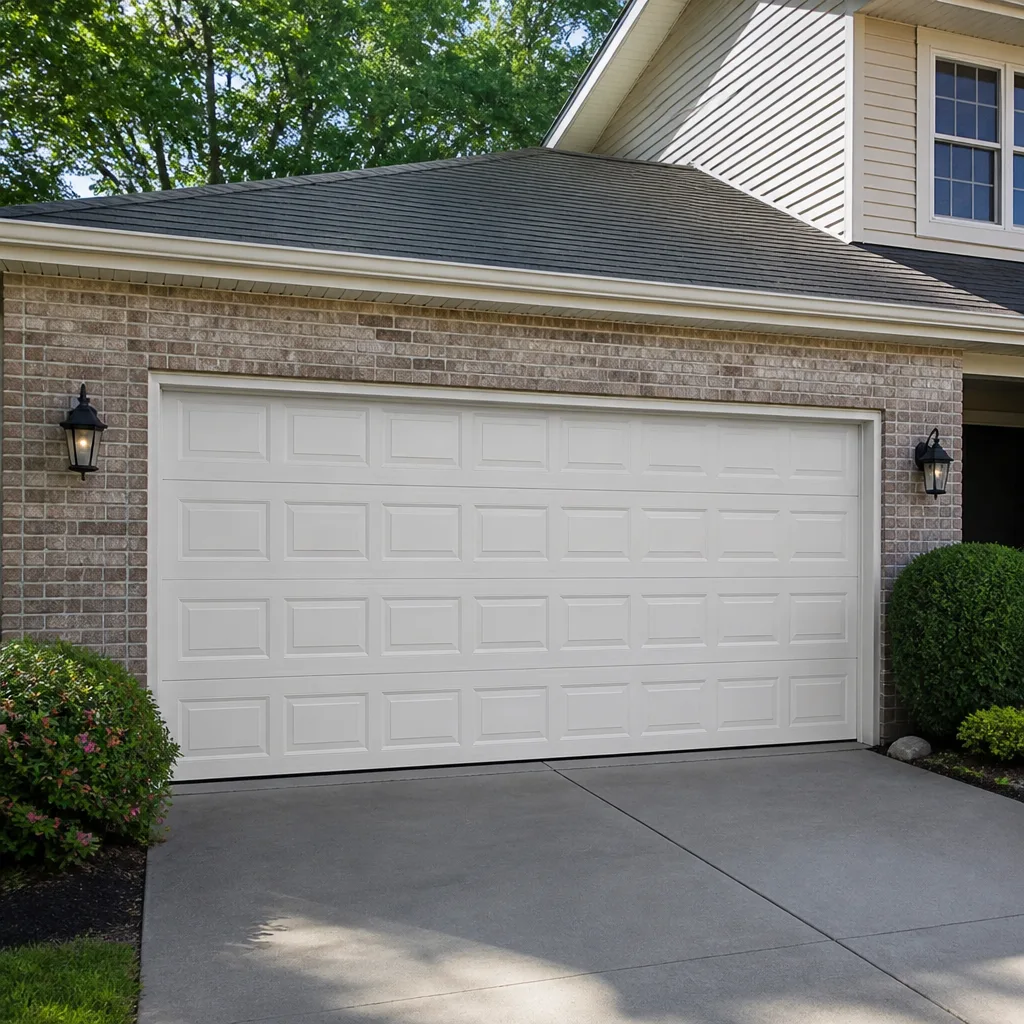 Raised-panel steel
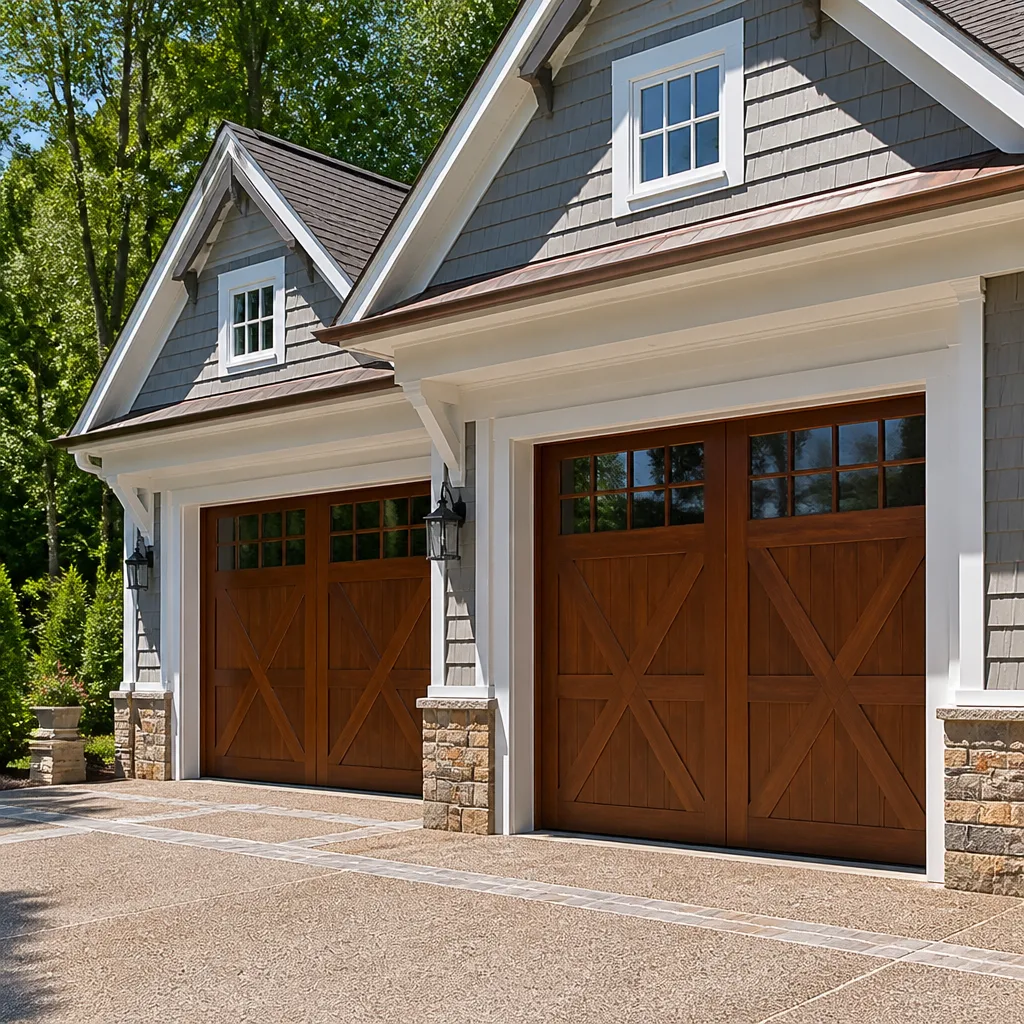 Carriage house
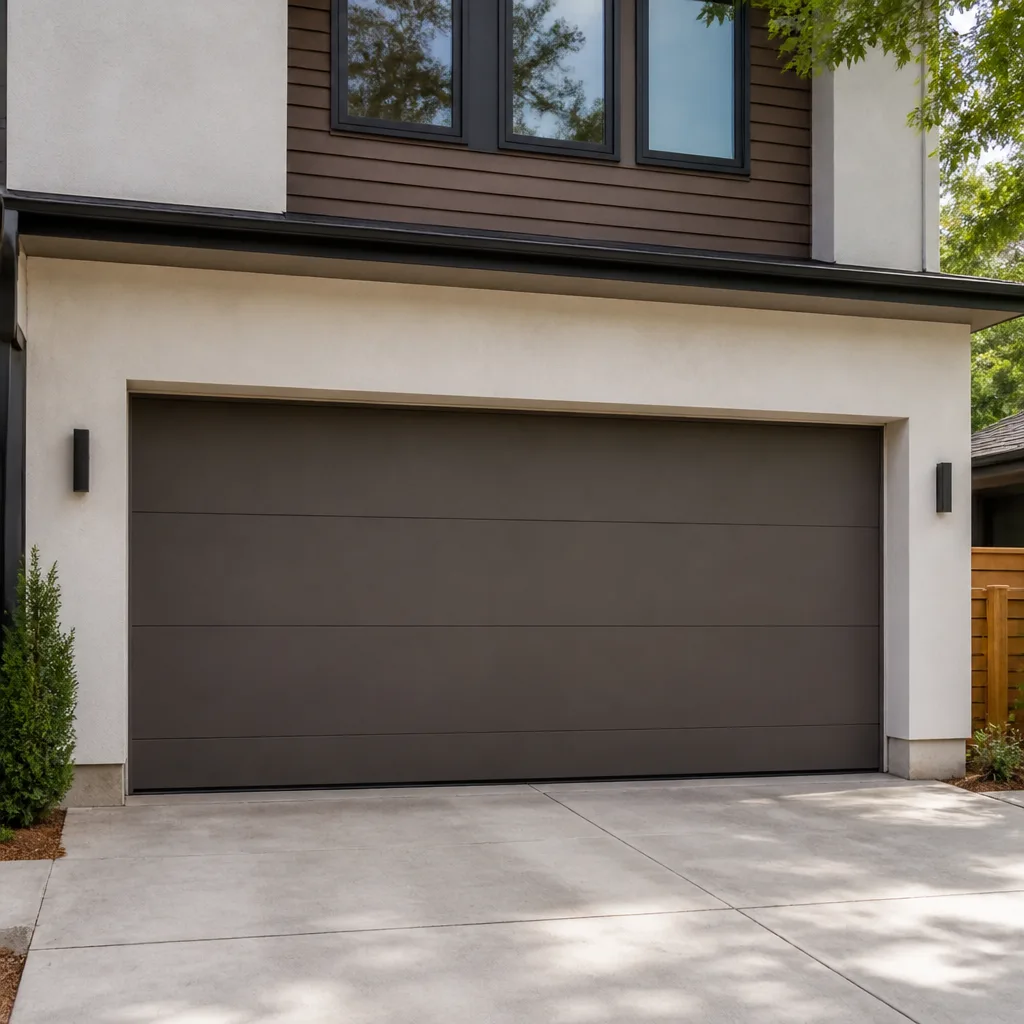 Modern flush
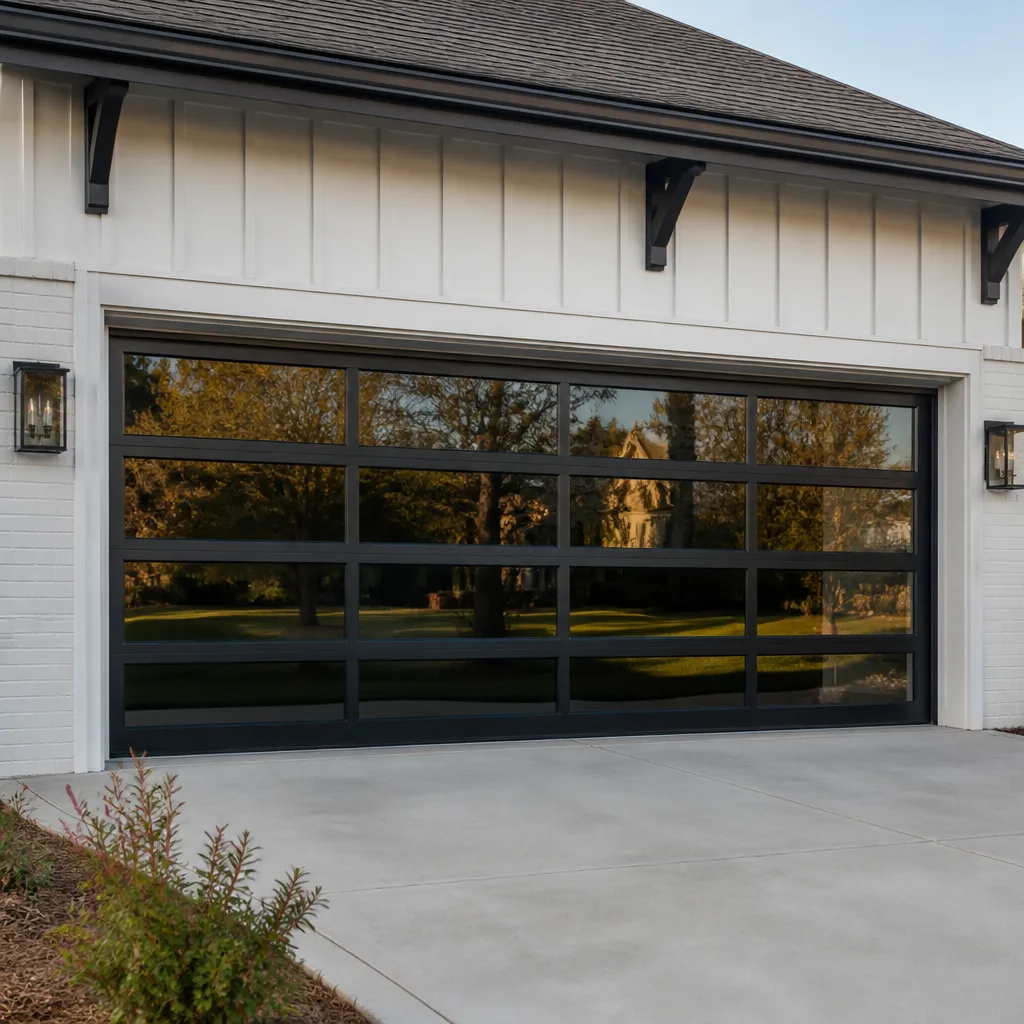 Full-view glass
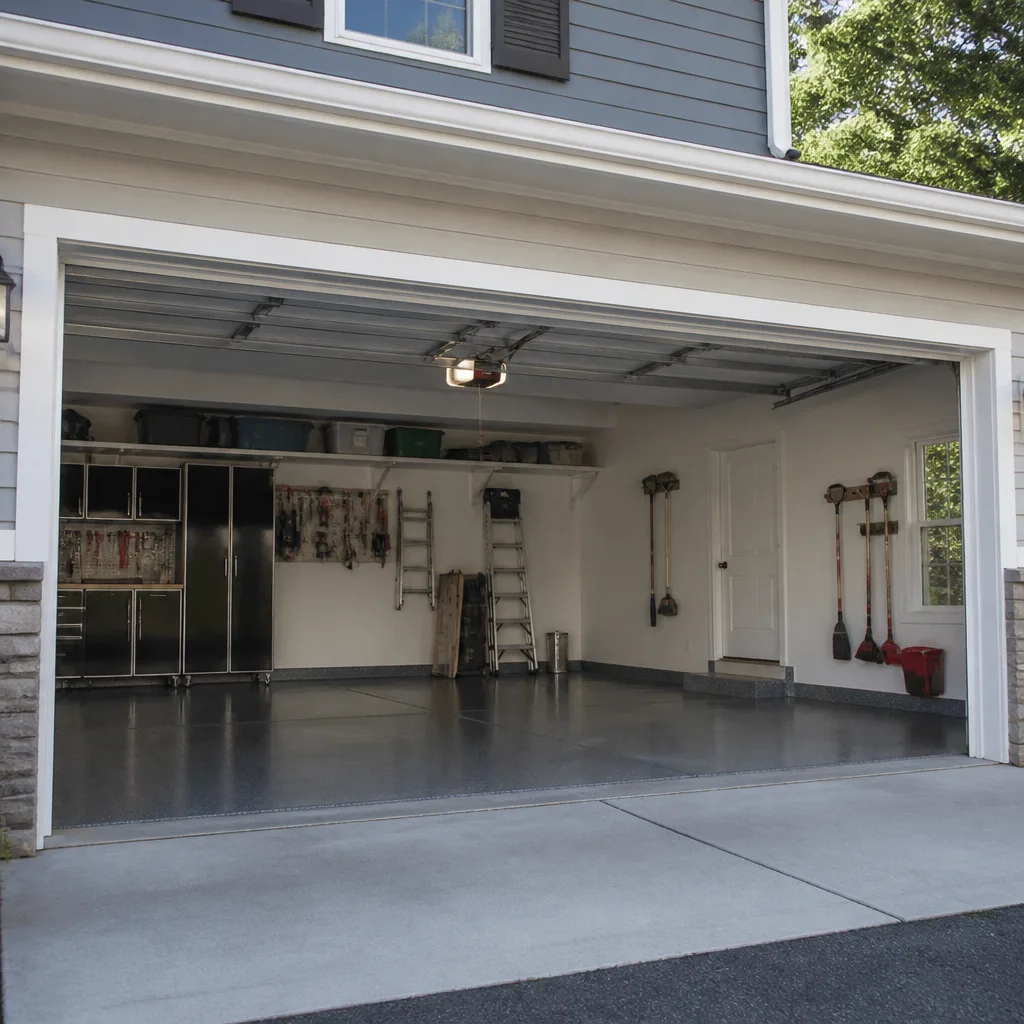 LiftMaster openers
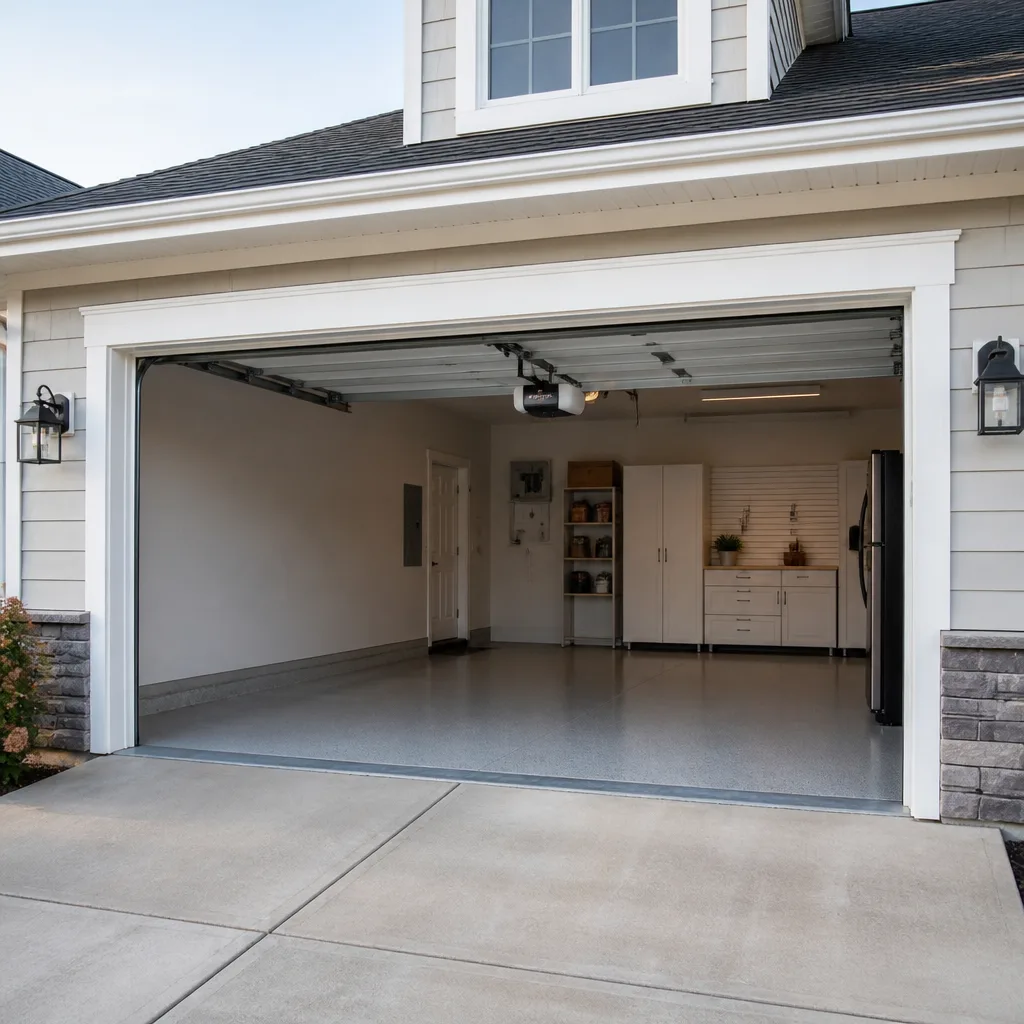 Chamberlain openers
Full 25-point door and opener safety check with every visit - springs, cables, rollers, tracks, and your LiftMaster or Chamberlain opener included
You get a price before we start. It does not change when the pro arrives.
Get your free estimateGarage Door Repair Maintenance Checklist for Broad Ripple Homeowners
Most garage door failures announce themselves weeks before the door quits. The sound changes, the door drags a little on one side, a roller starts rumbling, and then one morning the door goes halfway up and stops. By the time the phone rings, the problem has usually been building for a while. In Broad Ripple, the local conditions speed some of that up. Humidity off the White River corridor works on bare metal, temperature swings work on springs and seals, and the older detached garages tucked behind homes along the side streets give all of it more time to settle in. This checklist walks you through what to look at, how often, what you can safely handle yourself, and what should go to a technician. It takes about five minutes a month and will catch most of the problems we get called out for.
Quick Answer
A working garage door maintenance routine for a Broad Ripple home comes down to a monthly five-minute visual walk-around plus two annual tasks: lubricating the moving parts and having a technician check spring tension and cable condition. Check springs for gaps, cables for fraying, rollers for flat spots, tracks for alignment, the weather seal for cracking, and the photo-eyes for dirt. Anything involving spring tension, cable replacement or track adjustment belongs with a trained technician, not a weekend project.
Styles & brands we work with
- Raised-panel steel
- Carriage house
- Modern flush
- Full-view glass
- LiftMaster openers
- Chamberlain openers
Table of Contents
- The Monthly 5-Minute Visual Inspection
- Why Broad Ripple’s River Humidity Changes the Timetable
- Lubrication: What to Use and What to Never Put on a Spring
- The Half-Way Test: Checking Spring Balance Without Tools
- Annual Tasks: What You Can Do and What Needs a Technician
- Seasonal Checklist for Broad Ripple’s Temperature Swings
- Opener Care Between Service Visits
- Common Mistakes to Avoid
The Monthly 5-Minute Visual Inspection
Five minutes once a month is enough to catch the failures that build slowly. Work through the door in the same order every time so nothing gets skipped. You’re looking, not touching anything under tension.
Start with the springs. On a torsion setup, the spring runs horizontally above the door. On an extension setup, the springs run along the tracks on either side. Look for a visible gap in either kind. A gap means the spring has broken and the door is being held by the opener alone, which is a call-us-now situation, not a wait-and-see.
Then check the cables. These are the thin steel lines running down each side of the door. Run your eyes along the length of each cable without putting your hand near the drum at the top. What you’re looking for is fraying, kinks or a cable that’s come off its roller.
Move to the rollers and hinges. Rollers should be round and turn freely. Flat spots, chips or grinding noises mean they’re worn. Hinges should sit flat with no bent leaves.
Check the tracks. Stand back and look down each track. They should be straight and parallel. A dent from a bumped car or a door that jumped the track will show as a kink.
Finally, the weather seal along the bottom and the photo-eyes near the floor on each side. The seal should flex and sit flush. The photo-eyes should be clean, pointed at each other, and their indicator lights should be steady, not flickering.
If any of these turn up a problem, write it down. One small issue is easy to forget and easy to fix. Three small issues together are how a door ends up stuck.
Why Broad Ripple’s River Humidity Changes the Timetable
Broad Ripple sits close enough to the White River corridor that the air here holds more moisture than neighborhoods farther from the water. That matters for garage doors in a way that doesn’t show up in a manufacturer’s generic checklist.
The parts that suffer first are the unpainted steel ones low to the ground. Bottom brackets, the bottom section of the door itself, the lower hinges and the cable ends nearest the floor all sit in the dampest air and collect whatever moisture settles overnight. Rust on those surfaces is common here. Rust on a cable is more than cosmetic. Every strand that corrodes weakens the whole line, and a cable that fails under tension is dangerous. In drier parts of Indianapolis, a cable can go years before showing wear. Along the river corridor, we see the same cable give trouble sooner, and it’s usually the lower section showing rust first.
Humidity also works on the door itself. A wood or wood-composite door absorbs moisture and can swell slightly, which changes how it sits in the frame. A steel door’s paint film can blister where moisture gets underneath through a chip. Left alone, that blister becomes a rust spot, and a rust spot becomes a section that needs replacing.
What this means in practice: if your garage sits within a few blocks of the river or backs onto one of the wooded lots near the canal, shorten your check interval. Walk the lower half of the door and the bottom brackets every month and look specifically for rust blooms and cable fray. Wiping down bare metal with a dry cloth and touching up paint chips promptly does more for door life in Broad Ripple than almost anything else on this list.
Lubrication: What to Use and What to Never Put on a Spring
The right lubricant on the right part keeps a door quiet and slows wear. The wrong one makes things worse. This is the single most common maintenance mistake we see in Broad Ripple homes, and it’s easy to avoid once you know which products go where.
What works:
- White lithium grease or a silicone-based garage door lubricant on hinges, rollers, bearings and the torsion shaft. These stay put, don’t attract grit, and handle temperature swings.
- A dedicated garage door spring lubricant on torsion springs. A light coat reduces friction between coils and slows surface rust.
- Silicone spray on the weather seal and on the photo-eye lenses after cleaning. It keeps the rubber from drying out and cracking.
What doesn’t work, and why:
- WD-40 on springs is the most common mistake we see. It’s a solvent and light oil, not a lubricant. It strips the existing film, evaporates fast, and leaves the spring drier than before. Over time, that accelerates wear.
- Cooking spray, motor oil or general-purpose grease attract dust and grit, which turns into a grinding paste on rollers and tracks.
- Never lubricate the tracks. Tracks are meant to be clean and dry. Lubricant on a track lets the rollers slide instead of roll, and the door starts to bind.
Lubricate two to four times a year depending on use. A door that runs several times a day needs it more often than one on a garage the car only enters once daily. Wipe any old, gummy lubricant off hinges and rollers before applying fresh, and use a rag, not a spray-and-walk-away approach.
The Half-Way Test: Checking Spring Balance Without Tools
A spring that’s lost tension doesn’t always break. It sags. The door gets heavier to lift, the opener works harder, and the door might not stay up on its own. The half-way test tells you whether the springs are still doing their job, and you can run it without any tools.
Do this standing beside the door, never underneath it. Here’s the sequence:
- Disconnect the opener by pulling the red emergency release handle so the door moves by hand.
- Lift the door to roughly the halfway point and let go. Don’t force it. Just let it settle.
- A door with proper spring tension will hold roughly in place at the halfway mark. It may drift slightly but shouldn’t drop or fly up.
- If the door drops on its own, the springs have lost tension or the door is out of balance. If it rises on its own, one spring is overpowering the other.
- Reconnect the opener when you’re done.
Run this test once a month, and always after a temperature swing of more than about twenty degrees, since coil springs change tension with temperature. A door that passed the test in a mild week and fails during a cold snap is giving you an early warning.
Important: the half-way test only tells you whether the balance is off. If the springs are broken, never lift the door by hand to test it. A broken torsion spring under load can release suddenly, and the door becomes extremely heavy and unpredictable. Call a technician instead. Spring repair is the most technical garage door job there is, and a proper garage door repair call on a spring issue is a safety call, not a convenience one. Our technicians have up to 9 years of experience working springs on the brands most Broad Ripple homes already have.
Annual Tasks: What You Can Do and What Needs a Technician
Once a year, it’s worth separating the tasks carefully. Some are safe for a homeowner with a step ladder and a few tools. Some are dangerous no matter how handy you are.
Safe to do yourself:
- Test the reverse feature of the opener by placing a board flat under the closing door. The door should reverse on contact.
- Clean the photo-eye lenses with a soft cloth and check that the indicator lights are steady.
- Wipe down bare metal on bottom brackets and lower hinges, and touch up paint chips.
- Check and replace the weather seal if it’s cracked or flattened.
- Lubricate hinges, rollers and the shaft, as covered above.
- Look over the door panels and frame for rust spots or sagging.
Leave these to a technician:
- Replacing or adjusting torsion springs. These are wound under high tension and can cause serious injury if released improperly.
- Replacing cables or re-seating a cable that has come off its drum.
- Realigning tracks. Even a small adjustment here affects the whole door’s travel, and the wrong bend makes it worse.
- Replacing rollers that are seized or heavily worn.
- Any opener repair beyond changing a light bulb or re-pairing a remote.
- Adjusting the door’s travel limits if the door is repeatedly hitting the floor too hard or stopping short.
If your door is a Clopay or Amarr and it’s showing wear across several sections, a technician visit that covers several items at once often makes more sense than a string of separate calls. A garage door opener repair visit that also checks spring balance and track alignment is one call and one trip.
Seasonal Checklist for Broad Ripple’s Temperature Swings
Broad Ripple’s temperature swings are the other big factor, alongside humidity. Coil springs contract and expand with the temperature. Seals harden in cold and soften in heat. Wood and composite doors move slightly. A maintenance routine that ignores the seasons misses half the risk.
Late fall checklist:
- Run the half-way test a week after the first real cold snap. Springs that have lost tension often fail here.
- Check the weather seal for cracks. A hardened seal lets cold air and moisture in and can tear at the corners.
- Lubricate hinges and rollers before winter, when grit and de-icing salt work their way onto the door.
- If your garage sits near the river corridor, look more closely at the lower sections for rust blooms.
Spring checklist:
- Run the half-way test again as temperatures warm.
- Clean and lubricate the photo-eyes after winter.
- Look over the tracks for any bending from winter ice or a shovel bump.
- Touch up any paint chipped during winter, especially on steel doors, since a chip is where rust starts.
If you’re considering a replacement rather than a repair, a garage door installation visit at Broad Ripple is a good time to combine a service call with a measure, since the written estimate will depend on the door and the opening rather than guesswork.
Opener Care Between Service Visits
The opener is the easiest part of the system to maintain, and it’s also the part that gets blamed for problems that started elsewhere. The motor is usually fine. What fails is the chain, the belt, the gear and the safety sensors.
What to check monthly:
- Chain or belt tension. With the door closed, the chain should have slight slack but not sag to the floor. A belt should be firm. A loose chain slaps and wears the sprocket.
- Safety reverse. Test with a board flat under the door, described above.
- Photo-eye alignment. Both lights should be steady, not flickering. Clean the lenses and check the brackets haven’t been bumped.
- Remote batteries. Don’t replace them on a schedule. Replace them when the range starts shrinking.
What to leave alone: the travel limits, the force settings and the internal gears. These are set for the door and the opener together. Turning them without knowing the door’s weight and balance almost always makes things worse. If your opener is a LiftMaster, Chamberlain, Genie or Craftsman and the door stops short or reverses for no obvious reason, that’s a service call. We work on the brand you already own rather than steering you to a replacement.
Common Mistakes to Avoid
- Using WD-40 on the springs. It strips the existing lubricant film and leaves the spring drier, which speeds wear and rust. Use a spring-specific lubricant instead.
- Lubricating the tracks. Tracks should be clean and dry. Lubricant makes rollers slide instead of roll, and the door starts binding within weeks.
- Ignoring rust near the bottom of the door. In Broad Ripple’s river-corridor humidity, rust on bottom brackets and cables develops faster than in drier parts of Indianapolis. A dry cloth and a touch-up paint stick every month keeps it in check.
- Lifting a door by hand to test a broken spring. A torsion spring under load is dangerous, and the door becomes extremely heavy and unpredictable. Call a technician instead.
- Skipping the half-way test after a cold snap. Springs lose tension as temperatures drop, and a door that worked in October can fail in January. Test a week after the first real cold weather.
- Adjusting the opener’s travel limits to fix a door problem. If the door is binding or dragging, the door is the problem, not the opener. Adjusting the opener masks the issue and burns out the motor.
- Fixing one item at a time. If a technician is out already, ask for a full check of springs, cables, rollers and tracks. Three separate visits cost more than one thorough one.
- Letting a chip in the paint sit. On a steel door, a paint chip is where rust starts. Touch it up promptly, especially on the lower half of the door where humidity does the most work.
See the difference
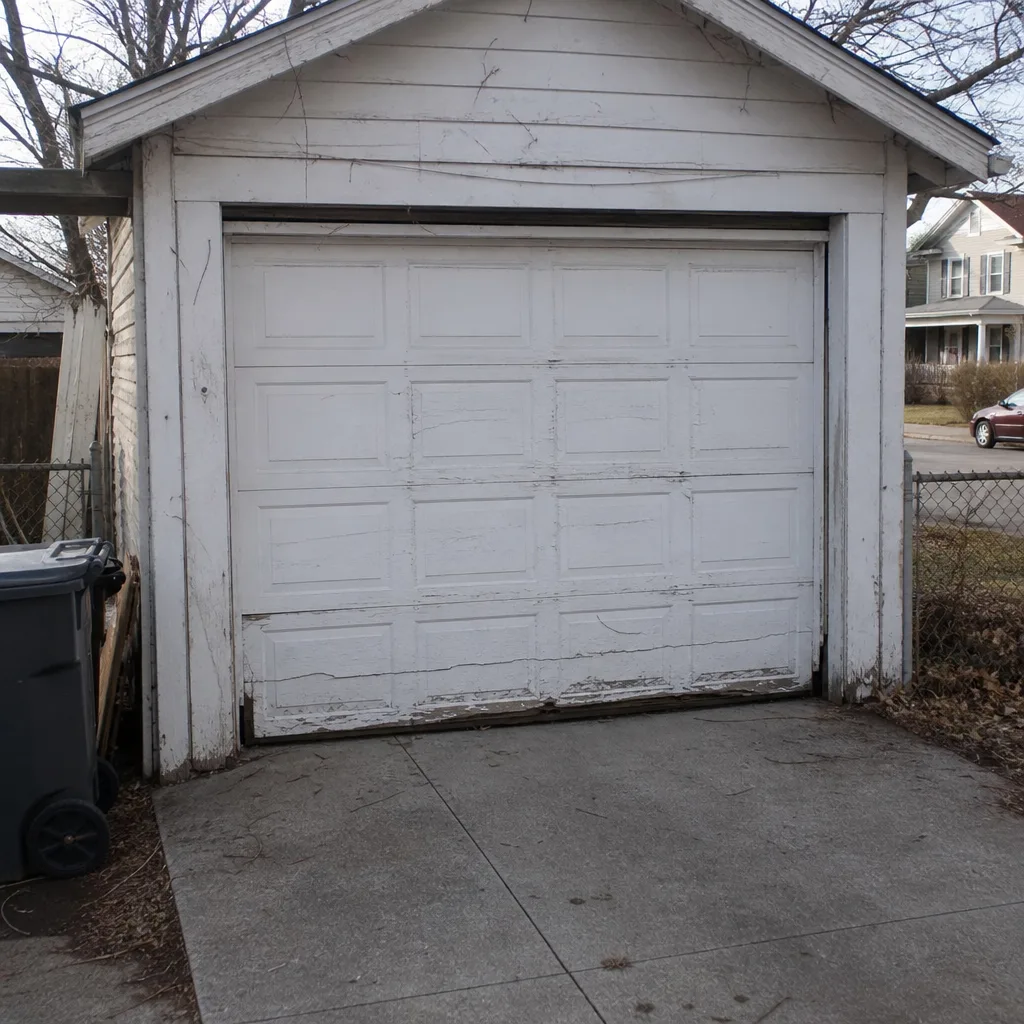 Before
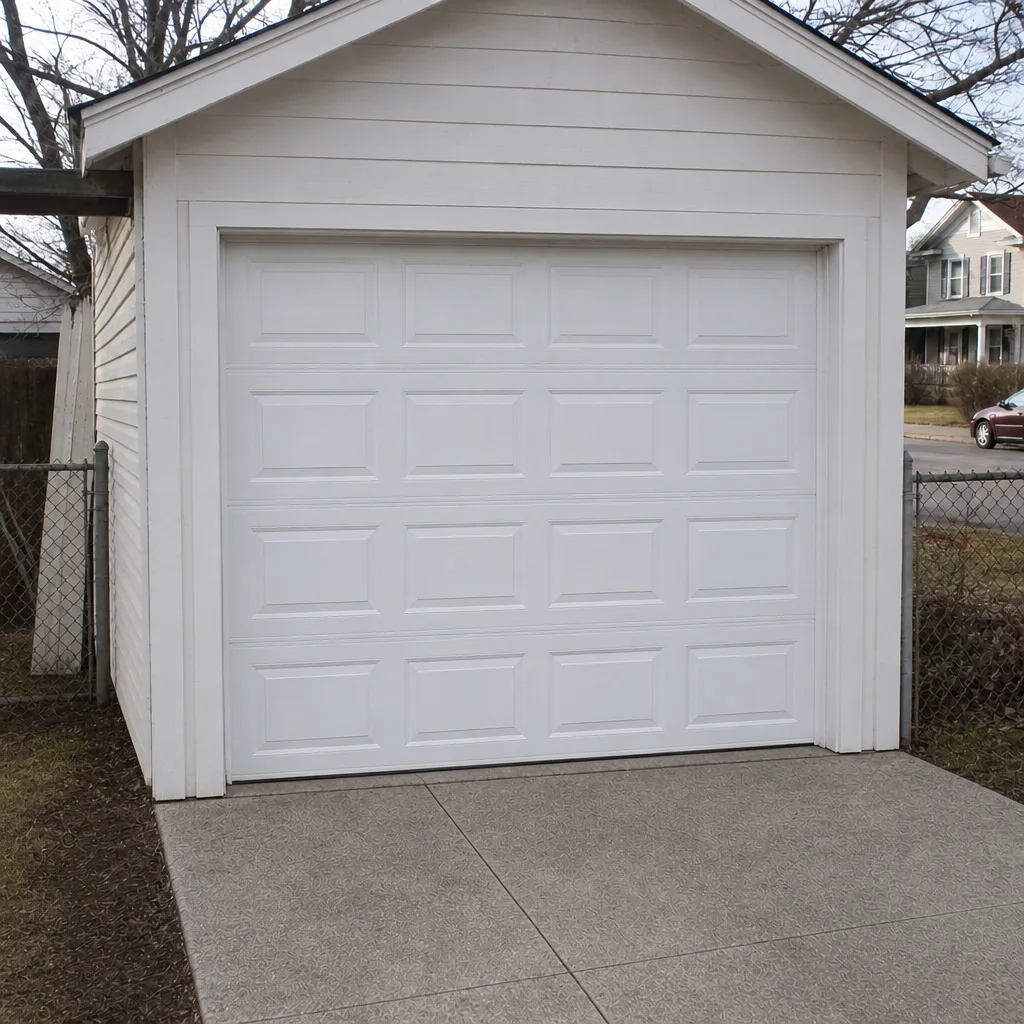 After
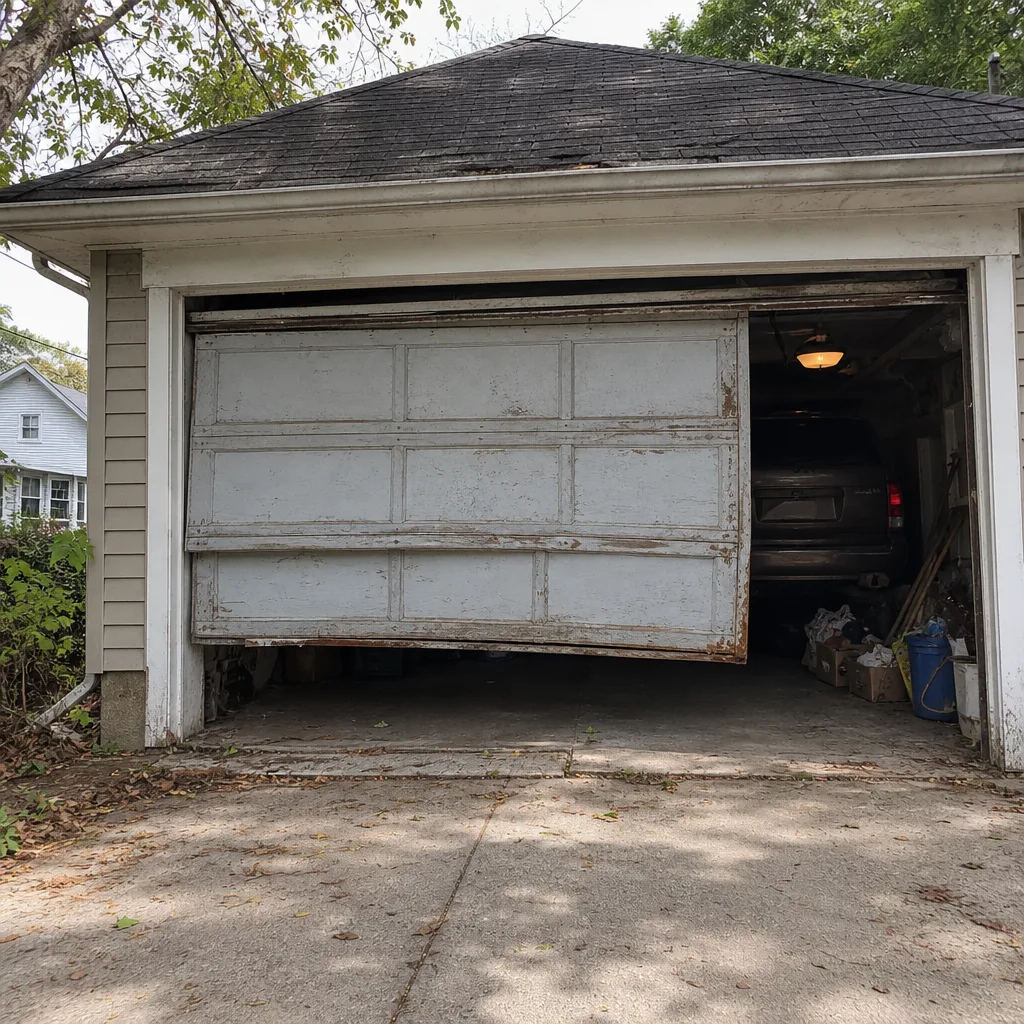 Before
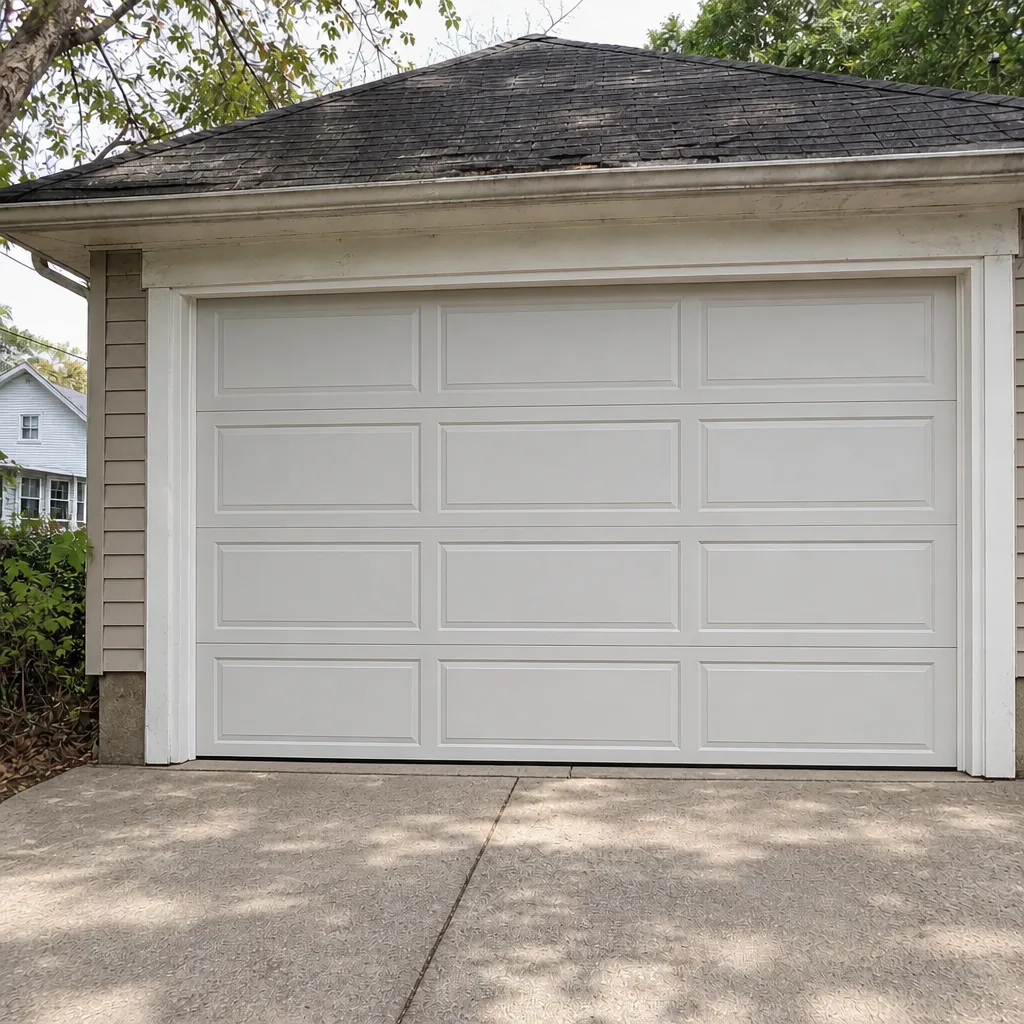 After
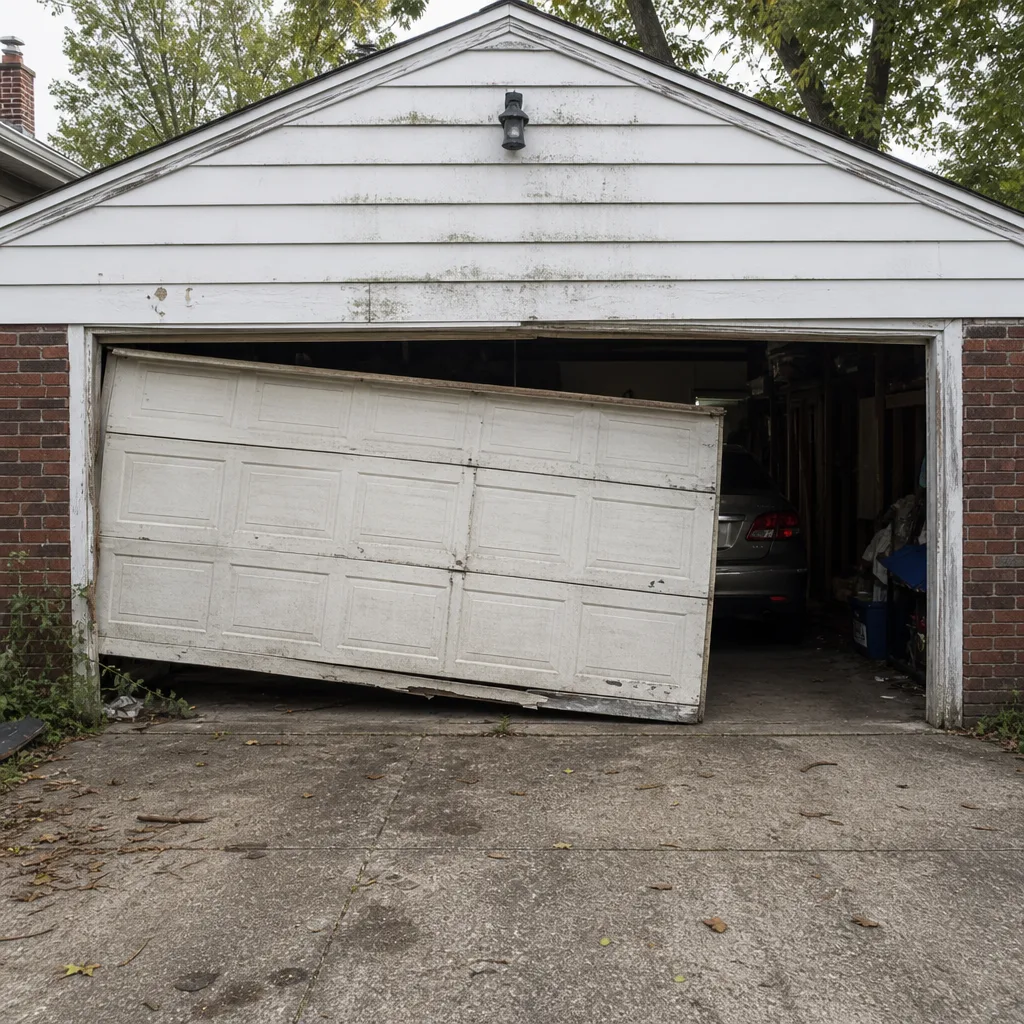 Before
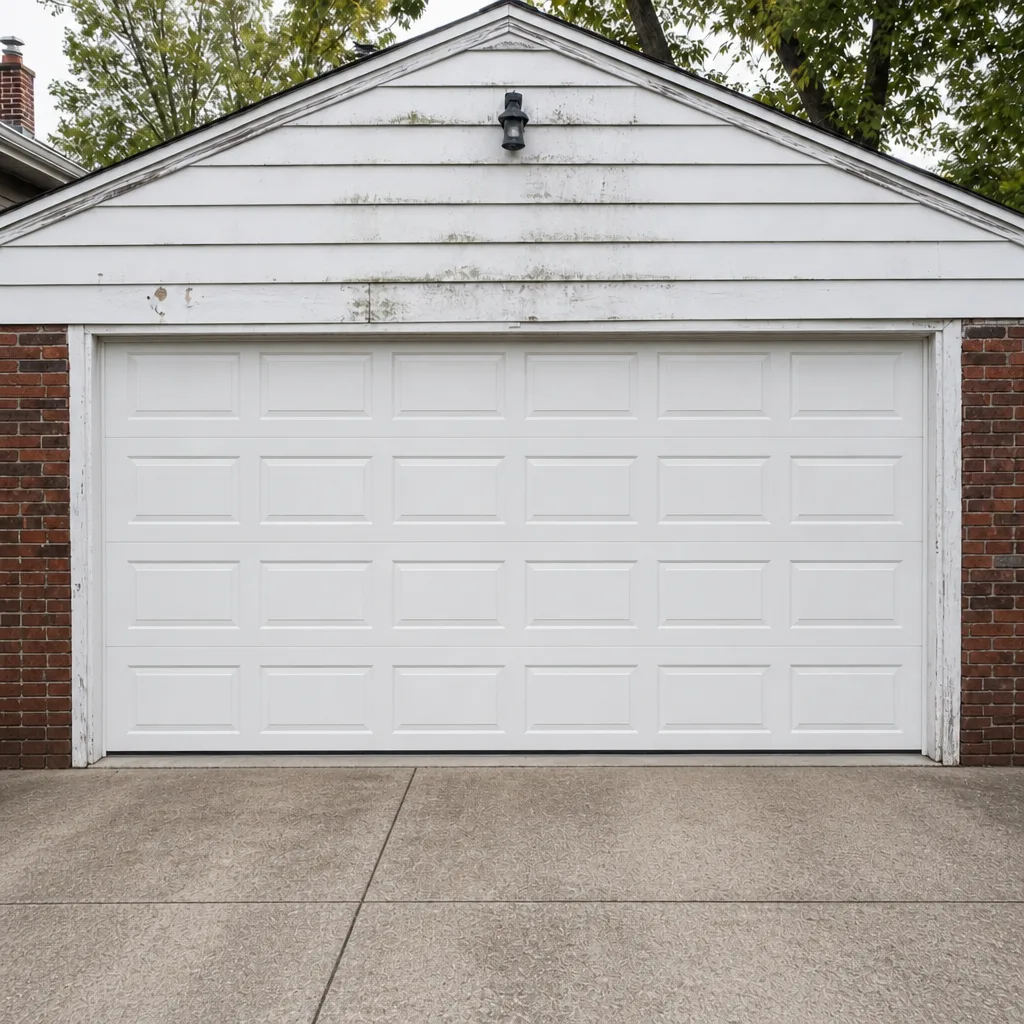 After
When to Call a Professional
Call a professional for any spring issue, any cable that’s frayed or off its roller, any door that has jumped the track, and any opener that fails to reverse when tested. These are the items where the risk of injury or further damage outweighs any cost savings from a self-fix. Also call if you hear a sudden new noise from the door, if the door is running harder than it used to, or if you’ve found rust working its way past a bottom bracket into the metal itself.
Our technicians have up to 9 years of experience handling the full range of jobs on the door and opener you already own, including Clopay, Amarr and Wayne Dalton doors and LiftMaster, Chamberlain, Genie and Craftsman openers. Garage door repair at Broad Ripple is the one call that covers springs, panels, openers and parts together, so nothing gets subcontracted. Our technicians are experienced, and the local pro is licensed and insured as Indiana requires. We quote and agree the price with you before any work starts. For a no-obligation look at your door, call Garage Door Repair Broad Ripple at (833) 968-9838. We answer 24/7, with fast dispatch from 7am to 7pm.
Frequently Asked Questions
Once a month for the five-minute visual walk-around, and one deep annual check that includes lubrication and the half-way test. Broad Ripple’s river-corridor humidity means rust on bottom brackets and cable fray develop faster than in drier parts of Indianapolis, so monthly checks on the lower half of the door really do matter. If in doubt about anything you’ve found, call (833) 968-9838 for a free estimate.
No. Torsion springs are wound under high tension and can cause serious injury if released incorrectly. Cable and spring work should only be done by a trained technician. Call (833) 968-9838 for a confirmed appointment and a written price before work starts.
Usually spring tension has dropped or one spring is failing. Run the half-way test after pulling the emergency release and see if the door holds near halfway. If it drops, the springs need attention. Call a technician rather than working around it. Call (833) 968-9838 for a free estimate.
Yes. The moisture in the air along the river corridor speeds rust on bare metal parts low to the ground and shortens cable life compared to drier neighborhoods. Wiping down bottom brackets monthly and touching up paint chips promptly is the best protection, and it’s worth a technician look if you see rust creeping into the door sections.
A broken spring shows a visible gap in the coil and the door becomes extremely heavy to lift. A weak spring shows no gap but the door drops on the half-way test or doesn’t stay up on its own. Neither issues should be self-diagnosed under tension. Call (833) 968-9838 for a free estimate.
The monthly check catches visible problems before they get expensive. The annual call covers spring tension, cable condition, roller wear and track alignment, all of which need a trained eye and proper tools. Call (833) 968-9838 to set up a visit and get the written price before work starts.
We dispatch Sunday through Friday, 7am to 7pm, and we’re closed Saturday. Call (833) 968-9838 and we’ll confirm the next available opening. We answer 24/7, so a call outside dispatch hours gets booked into the earliest slot.
Yes. We work on the door and opener you already own, including Clopay, Amarr, Wayne Dalton, LiftMaster, Chamberlain, Genie and Craftsman. One call covers spring repair, panels, openers and parts, so you aren’t handing off between a handyman and a specialist.
The Bottom Line
Most garage door failures give plenty of warning. The monthly five-minute walk-around plus an annual technician check catches nearly all of them. In Broad Ripple, the river humidity and the temperature swings mean the lower half of the door needs more attention than a generic checklist suggests. Look for rust on bottom brackets and cable fray every month, run the half-way test after each cold snap, and keep the right lubricants on the right parts. Anything involving springs, cables or track straightening goes to a technician. Everything else you can handle. A door that runs quietly and evenly is one that has been checked regularly, and that’s a long-term saving over the door that fails without warning.
For a free estimate on any door issue, call Garage Door Repair Broad Ripple at (833) 968-9838. We answer 24/7. Fast dispatch from 7am to 7pm, Sunday through Friday.
Written by the team at Garage Door Repair Broad Ripple.