
Last updated November 20, 2026
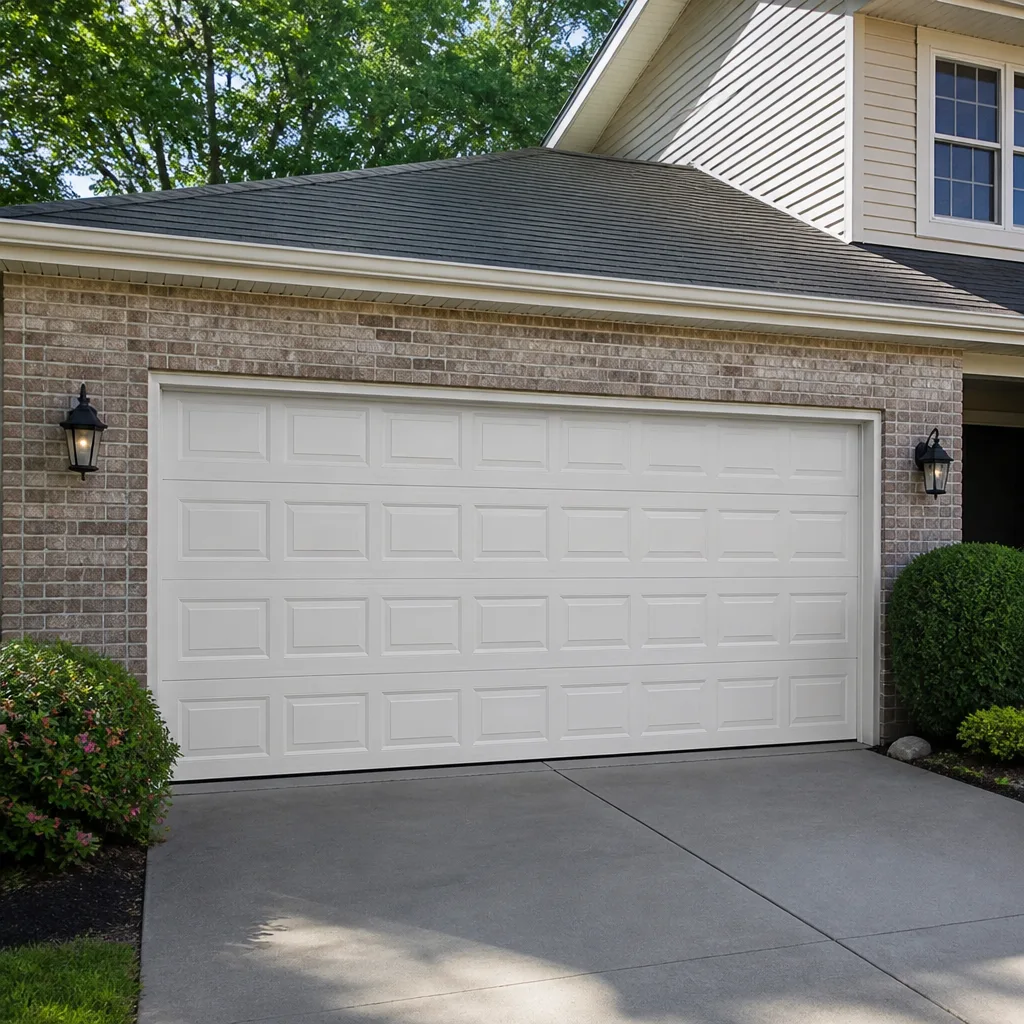 Raised-panel steel
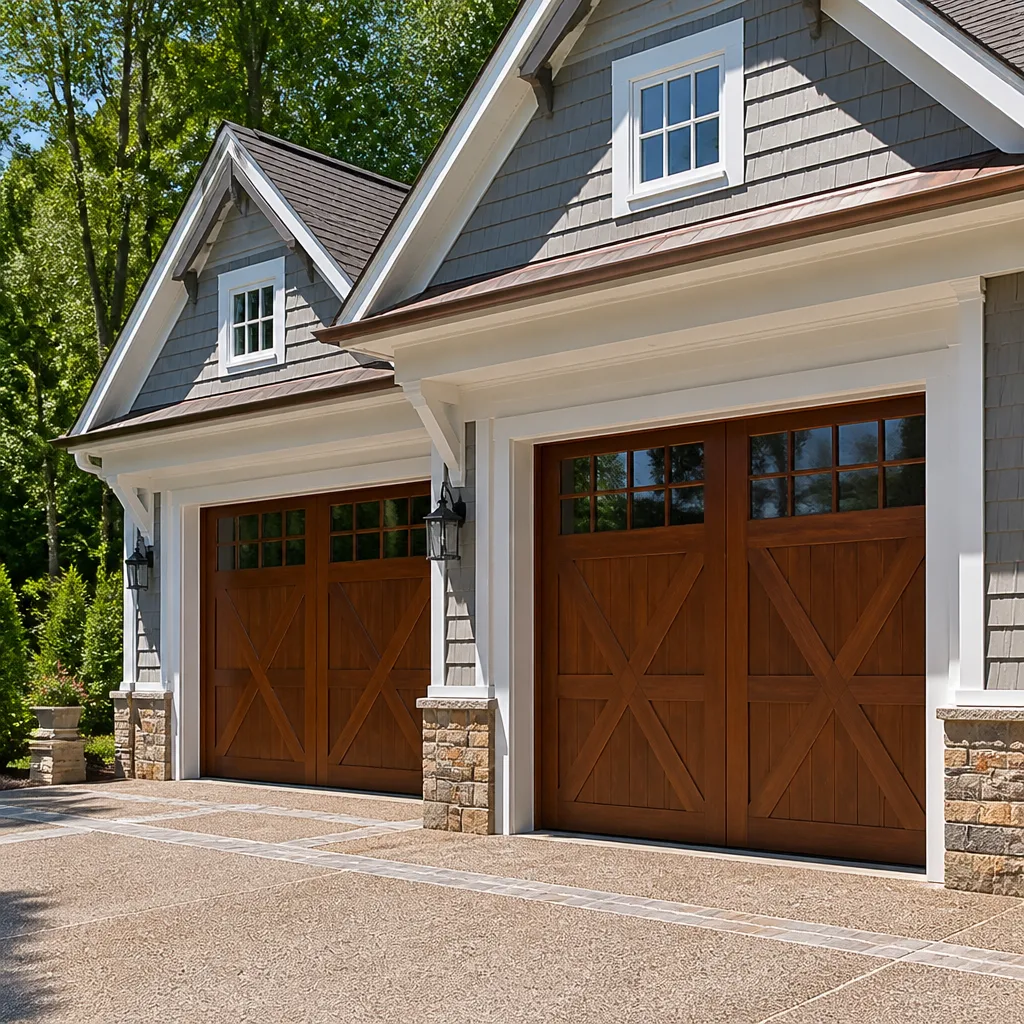 Carriage house
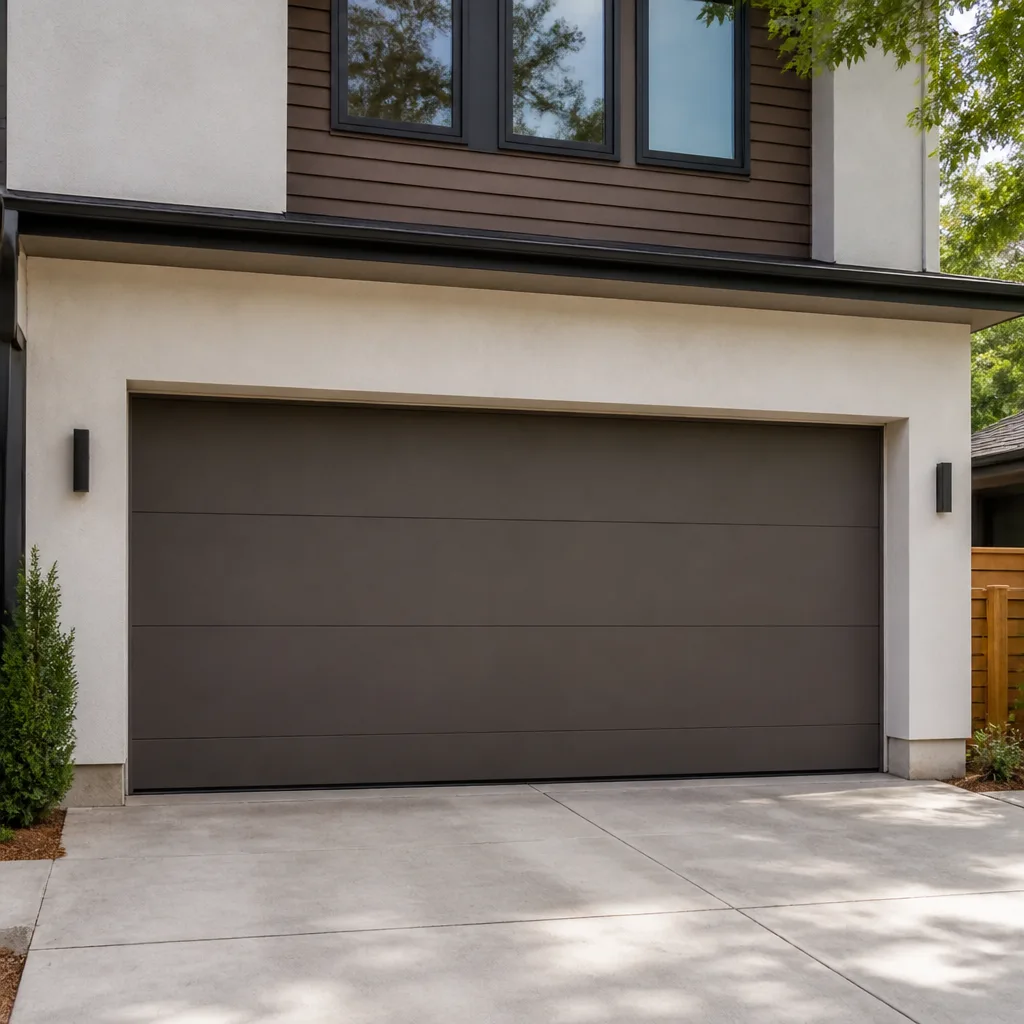 Modern flush
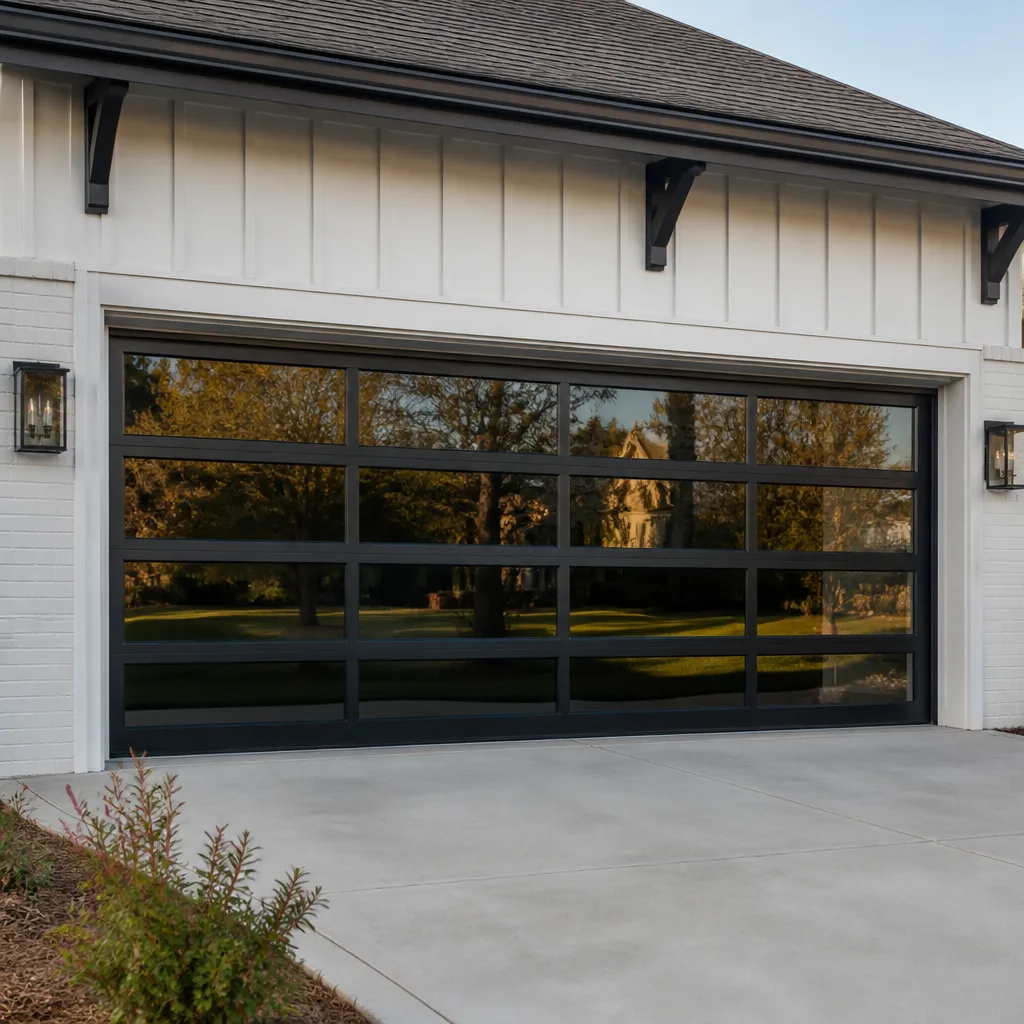 Full-view glass
 LiftMaster openers
 Chamberlain openers
Full 25-point door and opener safety check with every visit - springs, cables, rollers, tracks, and your LiftMaster or Chamberlain opener included
You get a price before we start. It does not change when the pro arrives.
Get your free estimateGarage Door Warning Signs: A Broad Ripple Homeowner’s Reference Guide
Most homeowners describe their garage door’s problems the same way: “it’s just been acting weird.” What sounds vague at the curb is actually a set of specific, readable signals. A grinding roller and a dry hinge make two completely different sounds, and they call for two completely different responses. Confusing them is the difference between a quick lubricant fix and a worn-part repair that adds up faster than it should. Garage doors don’t fail without telegraphing the trouble first. They squeal, pop, lag, reverse, and drift sideways long before a cable lets go or a spring breaks under load. This guide decodes those signals the way a technician diagnoses them – sound by sound, sign by sign, urgency by urgency. We’re writing it for Broad Ripple homeowners who want to know what they’re hearing before they pick up the phone.
Quick Answer
The most important garage door warning signs in Broad Ripple are grinding or popping noises during travel, a door that reverses on its own, visible cable fraying, rust streaks along the tracks, and a spring with a visible gap in the coil. Treat frayed cables, cracked springs, and a door that won’t stay balanced as stop-use emergencies and call a professional before operating the door again. Everything else – squeaks, slow movement, minor vibration – is a schedule-soon signal that gets more expensive the longer it’s ignored.
Styles & brands we work with
- Raised-panel steel
- Carriage house
- Modern flush
- Full-view glass
- LiftMaster openers
- Chamberlain openers
Table of Contents
- Sound Diagnosis: What Each Noise Tells You
- Visual Warning Signs Sorted by Urgency
- Behavioral Signs: When the Door Tells You Something Is Off
- Signs That Mean Stop Using the Door Immediately
- How Broad Ripple’s Cold Shifts Change a Door’s Behavior
- Opener Warning Signs You Shouldn’t Ignore
- How to Describe What You’re Hearing to a Technician
- Preventive Checks You Can Do in Ten Minutes
Sound Diagnosis: What Each Noise Tells You
Sound is the fastest diagnostic tool a garage door gives you, and it’s also the one homeowners misread most. Two noises that sound similar can point to very different culprits. Here’s how to tell them apart.
Grinding
A grinding sound is metal-on-metal contact. It usually implicates rollers that have lost their bearings or a torsion shaft that’s worn through its lubrication. Grinding is urgent – it accelerates wear on the track and the hinges it travels through. In our experience, a grinding door that gets ignored for a month often turns into a larger repair because the friction spreads damage.
Squealing
Squealing is high-pitched and unmistakable. Nine times out of ten, it’s dry hinges, dry rollers, or a torsion spring that needs a coat of lubricant. This is the low-urgency sound. It’s still worth addressing, but it won’t leave you stranded. If you can reach the hinges and the roller stems safely with the door fully closed, a garage-door-specific lubricant usually quiets it down. Never lubricate a torsion spring or cable yourself – those carry stored tension that can injure you.
Popping
A single sharp pop, or a rhythmic popping as the door travels, is the one sound we treat as a stop-use signal. Popping often comes from a torsion spring that’s lost tension or a cable that’s jumped its drum. Continuing to operate a door in this state is how cables snap under load.
Rattling
Rattling usually points to loose hinges, a loose track bolt, or a panel that’s worked slightly out of its stile. It’s rarely dangerous, but it’s an early warning that something is vibrating itself looser. Left alone, a rattling door can shake a panel out of alignment and put stress on the opener’s rail.
Banging or Slamming
A door that bangs hard at the bottom of its travel has a travel-limit problem. The opener is overrunning the closed position, or a spring has lost the counterbalance that’s supposed to cushion the descent. Both are worth a technician’s look before the strain damages the opener’s gears.
Visual Warning Signs Sorted by Urgency
Not every visual warning sign means the same thing. Some are called in the same hour, others can wait for a scheduled visit. Here’s how we sort them.
Emergency: Stop Now
- Frayed or separated cables. A steel cable with visible fraying, burrs, or a kink is holding stored tension. It can snap without warning. Don’t touch it and don’t operate the door.
- A torsion spring with a visible gap. If the coil is broken into two pieces, or there’s a gap in what should be a continuous coil, the spring has failed. Opening a door with a broken spring puts the full weight on the opener and the cables.
- A door hanging unevenly on one side. This usually means a cable has slackened or a spring has lost tension on one side. The door is no longer balanced and can come down hard.
- Bent or buckled track. A door that’s been bumped by a car or shoved off its rollers can drop without notice.
Schedule Soon: Within a Week or Two
- Rust streaks on the tracks or hinges. Rust eats metal in a straight line and shortens the life of hinges, rollers, and track. It’s not an emergency, but it’s a bell you can’t unring if the hardware wears through.
- Uneven gaps between panels. Small misalignments put extra stress on the rollers and, over time, on the opener’s rail. Left alone, they often grow.
- Horizontal cracks in a wood door’s paint. Broad Ripple’s humid summers followed by freezing winters push and pull wood panels. Unsealed cracks let moisture in.
- Missing or loose hinge screws. A single hinge loose today can warp a panel in six months.
Watch and Note
- Weatherstripping that’s flattened or torn. It doesn’t affect safety, but it lets in cold air, water, and pests.
- Fading or peeling finish on painted steel. Cosmetic, but it’s the first step toward surface rust.
- A slight wobble in the door’s path. Often a roller that’s flattening, easily corrected when caught early.
If your door shows any of these signs and you’d rather have a trained eye look at it, our team handles Garage Door Repair Broad Ripple for every manufacturer’s equipment. We’d rather see it before it gets worse.
Behavioral Signs: When the Door Tells You Something Is Off
Movement patterns are every bit as telling as sound. A door that behaves differently than it did last week is telling you something, and the behavior usually points to a specific component.
The door reverses for no clear reason
Almost always, this is the photo-eye safety sensor. The two small lenses near the bottom of the track are supposed to detect obstructions in the door’s path and reverse the door if anything blocks the beam. When they’re dirty, misaligned, or the sun hits one lens at the right angle, the opener reads a false obstruction and reverses. Cleaning the lens faces with a soft cloth and checking that the two eyes are aimed at each other solves this in most cases. If the sensors are clean and aligned and the door still reverses, the problem is more likely the opener’s logic board – worth a call for garage door opener repair.
The door moves slower than it used to
Slow movement is a counterbalance problem more often than an opener problem. The springs are supposed to carry most of the door’s weight. When spring tension is off, the opener has to work harder and the door creeps. In Broad Ripple, this often shows up first in cold weather – see the next section.
The door stops partway and won’t go up or down
This points to a travel limit switch that’s drifted, an opener gear that’s stripped, or a door that’s become heavy enough to trip the opener’s force limits. If you hear the motor running but the door doesn’t move, the opener’s drive gear or the door’s spring is the likely culprit.
The door slams shut instead of closing softly
A door that bangs at the bottom of its travel has lost the spring counterbalance that’s supposed to support it on the way down, or the opener’s close-force setting is too high. Both are worth a technician’s look before the strain damages the opener’s gears or the door’s bottom section.
The door opens a few inches and stops
This is a classic sign that the spring has lost tension or failed. The opener’s force limits register the extra weight and reverse. Don’t keep pressing the button hoping it’ll catch – it won’t, and repeated tries wear the opener.
Signs That Mean Stop Using the Door Immediately
Some warning signs call for scheduled service. Others call for a hard stop. Here’s the short list of conditions where continuing to use the door is a genuine safety risk, not merely an inconvenience.
- A visibly broken or gapped torsion spring. The spring carries most of the door’s weight. Operating the door with a broken spring puts that weight on the opener and the cables, and a panel can drop without warning.
- A frayed, kinked, or separated cable. Cables on a residential door carry heavy tension. A frayed cable can snap under load, and a snapping cable can whip toward anyone standing nearby.
- A door that drops when you pull the opener’s manual release. With the opener disconnected, the door should hold in place. If it drops, the springs have lost their counterbalance, and the door is unsafe to use manually or with the opener.
- A door hanging noticeably uneven on one side. Uneven travel means the door is carrying weight on one cable and one track. Operating it accelerates the failure.
- A bent or buckled track with the door hanging off its rollers. A door that’s off its rollers can come down hard.
- An opener that keeps running but the door doesn’t move. This can mean the drive gear has stripped, but it can also mean the door is jammed. Forcing it stresses everything.
In any of these situations, stop operating the door, keep the opener disconnected if the door is already partly open, and call a professional. Torsion springs and cables carry stored energy even when the door is closed. Never try to loosen, cut, or adjust a torsion spring or cable yourself. This is the part of the job where a trained technician’s experience matters most – our technicians have up to 9 years of experience, and the spring and cable work is the most safety-critical part of what they do.
How Broad Ripple’s Cold Shifts Change a Door’s Behavior
Broad Ripple’s winters swing hard – days that run above freezing followed by nights in the teens. That temperature swing shows up in garage doors all winter, and it’s easy to mistake a seasonal shift for a serious problem.
Why the door runs slower in January
Metal contracts in the cold. The springs, the tracks, and the torsion shaft all shrink slightly. If the springs were already slightly under-tensioned in October, they’ll run noticeably weaker by January. The door itself may feel heavier to the opener, and the opener may pull the door up more slowly. Sometimes that’s a normal seasonal effect. Sometimes it’s the first sign your spring tension was already off. The way to tell the difference is whether the door ever gets back to normal speed once temperatures moderate. If it does, you’re fine. If it doesn’t, the spring needs attention.
Why the weatherstripping matters more here
Broad Ripple’s summers drag humidity into the low 100s and its winters drop well below freezing. That’s a lot of expansion and contraction for a wood or composite door. The bottom weatherstrip is what keeps the seasonal moisture outside. When it’s torn or flat, water gets under the door and moisture starts creeping into the panel’s bottom edge. If you see paint peeling along the bottom rail, that’s your first clue.
What rust means in Broad Ripple specifically
We see rust streaks on track joints and hinge pivots more in neighborhoods like Broad Ripple and Meridian-Kessler than farther out toward the county line. Humidity from the nearby White River valley sits longer in some pockets, and trees shade the door’s south-facing side. It’s a piece of context you won’t find on a generic symptom list, but it matters when you’re looking at how quickly a track is aging.
A note on Broad Ripple’s older garages
Broad Ripple has plenty of detached garages built before the 1970s, many with narrower openings and lower headroom than newer builds. Those older doors were built to different specs, and panel replacement for them often isn’t a standard-order part. If you’re looking at a repair on a garage from that era, it’s worth flagging the door’s age in your call so the technician can plan for parts that may need to be sourced directly. We work on Amarr, Wayne Dalton, Craftsman, and Raynor equipment regularly, so we can usually match the panel or the opener components you actually have.
Opener Warning Signs You Shouldn’t Ignore
The opener has its own set of warning signs, and they’re easy to mix up with door problems. Here’s how to sort them.
The remote only works from close range
Usually a battery, sometimes a damaged antenna wire, occasionally interference from a nearby device. If a fresh battery in the remote doesn’t fix it, the opener’s receiver board may be the culprit.
The wall button works but the remote doesn’t
That’s a receiver-side problem, not a door problem. It doesn’t usually need a spring or door visit.
The opener runs but the door barely moves
This is a drive-train sign. The opener’s internal gears, the rail, or the chain/belt may be the issue, or the door’s springs may have lost tension. Which one it is depends on whether the motor is straining or the motor is running free.
The opener’s light flashes and the door reverses immediately
This is your door’s safety system doing its job. Check the photo-eye alignment first. If the eyes are clean and aimed at each other, the opener’s logic board or the door’s force limits may need adjustment.
The opener strains audibly
A straining opener is telling you the door has become heavier than the springs can balance. Running it hard in this state wears the opener’s gears faster. In our experience, an opener on a door with failing springs usually outlives the springs only by a short margin.
If you’re looking at opener symptoms and want a fast diagnosis, our team handles opener repair and replacement for LiftMaster, Chamberlain, Genie, and other major brands. Fast diagnosis, right parts, one visit.
How to Describe What You’re Hearing to a Technician
A good phone diagnosis depends on how well you describe the problem. The clearer you are, the faster the technician can plan the right visit and give you an accurate estimate.
The documentation steps
- Note the sound, not just the word “noise.” “It squeals like metal on metal when it opens” is different from “it grinds at the top of the travel.” Say where the sound happens in the door’s travel – bottom, middle, top, or the whole run.
- Say whether the door moves at all. “It won’t go up” is different from “it goes up slowly” and “it goes up halfway and stops.”
- Note the door’s age and make if visible. The label on the door’s inner face often carries the manufacturer. “Amarr” or “Wayne Dalton” on the label tells us the door’s likely vintage and the parts we need to plan for.
- Take photos before you call. A photo of the torsion spring (up on the wall mount above the door) and a photo of the hinges and track ends gives a technician most of what they need to quote over the phone.
- Say what you’ve already tried. If you cleaned the photo-eyes or greased the hinges, say so. It helps the technician skip basic checks and get straight to the likely culprit.
- Be specific about the door’s behavior, not its age. “It’s been like this for two weeks” is more helpful than “it’s old.”
The better your description, the more accurate the estimate before anyone arrives. The price is quoted and agreed before any work starts, so nobody is guessing on the invoice.
Preventive Checks You Can Do in Ten Minutes
You can catch most of the warning signs on this list before they turn into a real repair. Here’s a walkaround we recommend to Broad Ripple homeowners a couple of times a year – once in late fall before the cold hits, and once in spring after the freeze-thaw cycle is over.
- Stand inside the garage and watch the door travel. Look for wobble, uneven movement, or a door that hangs higher on one side.
- Listen. Open and close the door once. Any grinding, popping, or rattling is worth noting.
- Look at the torsion spring. The spring should be one continuous coil. A gap means the spring has failed.
- Look at the cables. Check the cables at the bottom corners of the door and along the sides. Fraying, kinks, or cable ends sticking out of the drum are emergency signs.
- Check the photo-eyes. Wipe the lens on both sensors with a clean cloth. Confirm both are aimed at each other.
- Test the manual release. With the door fully closed and the opener disconnected, pull the release and lift the door manually. It should move easily and hold halfway up on its own. If it drops, the springs need service.
- Check the weatherstrip. Look for tears, flattening, or daylight coming under the door.
- Listen to the opener. A straining motor or loud grinding from the opener housing means the opener is working too hard.
If you hit something on this list that you don’t want to handle yourself, don’t force it. That’s what we’re here for.
Common Mistakes to Avoid
- Greasing the torsion spring or cables. This looks like it should help a squeaky door, but a lubricated torsion spring or cable can slip and fail under load. Only hinges, rollers, and the track should see lubricant – and only on the closed door.
- Treating a grinding and a squealing noise as the same problem. They sound similar from the kitchen, but grinding points to metal-on-metal contact and squealing points to dry hinges. One is urgent, one isn’t.
- Ignoring a door that reverses on its own by “just pressing the button again.” A reversing door is a safety signal, not a stubborn button. Pressing through it doesn’t fix the photo-eye misalignment, and it doesn’t fix a door that’s become heavy.
- Assuming a slow door in winter is always the cold. Sometimes it’s a spring that was already under-tensioned before the first frost. If the door doesn’t come back up to speed once temperatures moderate, that’s a sign the spring needs service.
- Replacing an opener on a door with old springs. A new opener on a door with failing springs burns out faster. Get the springs balanced first, then look at the opener.
- Buying a “universal” replacement part at a big-box store for an older Broad Ripple garage. Pre-1970s doors often take parts that aren’t on the shelf. The right part for your specific door is what makes a repair last.
- Pulling the manual release when the door is already partly open. The release is designed to be used with the door closed. Pulling it while the door is up can let it drop.
See the difference
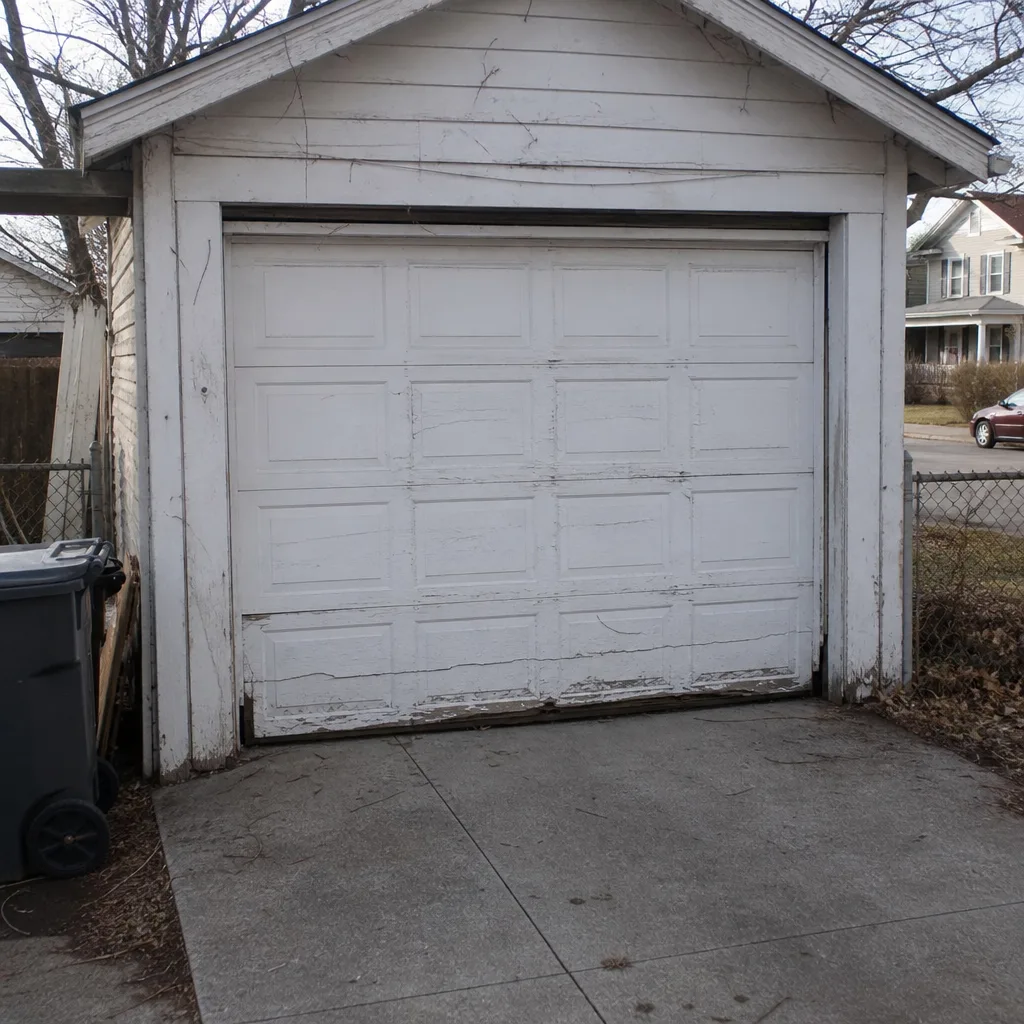 Before
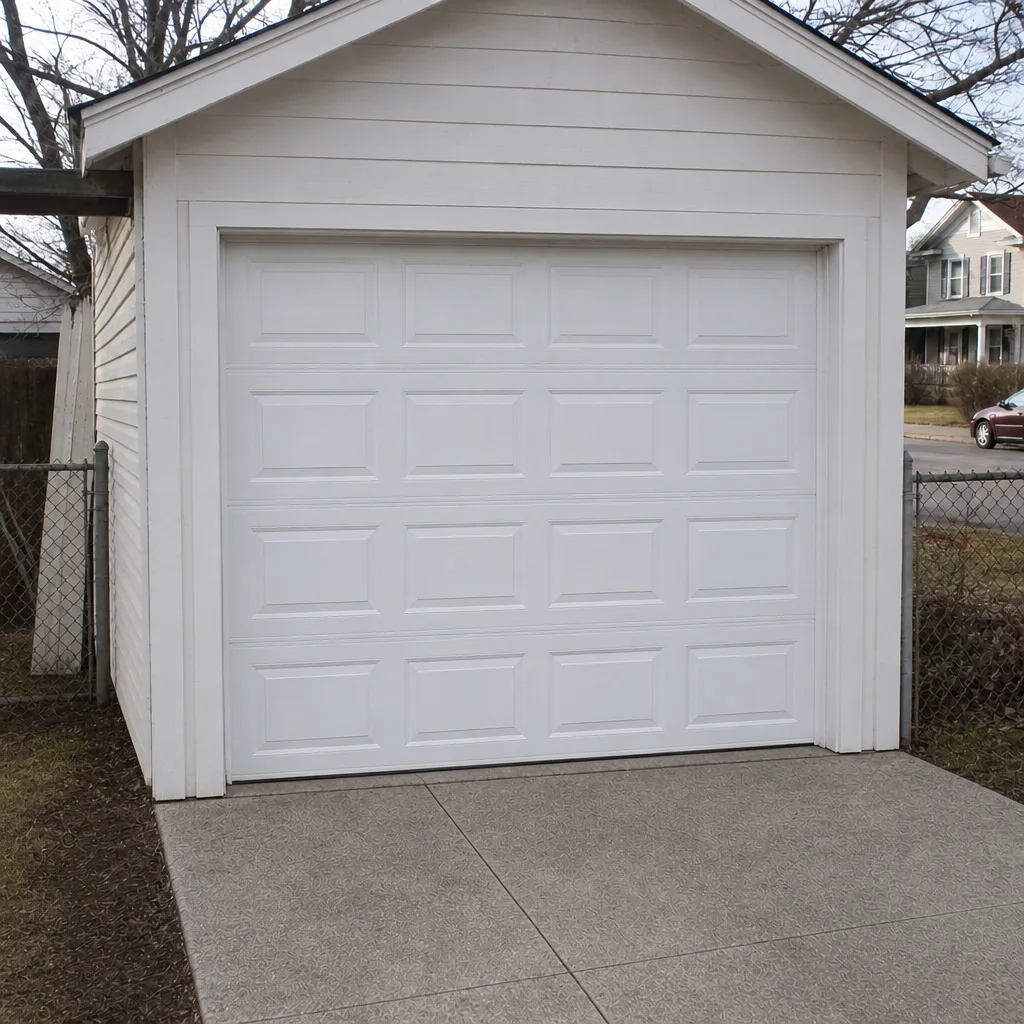 After
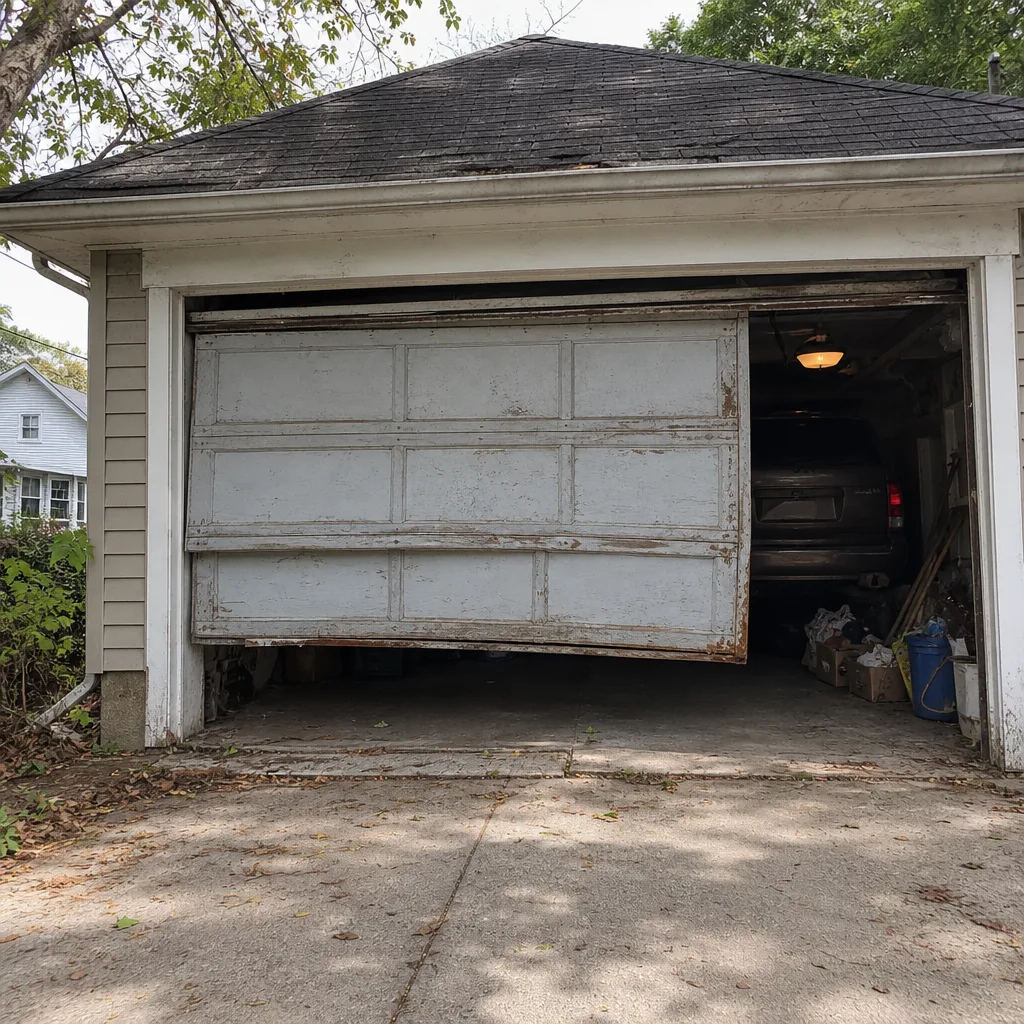 Before
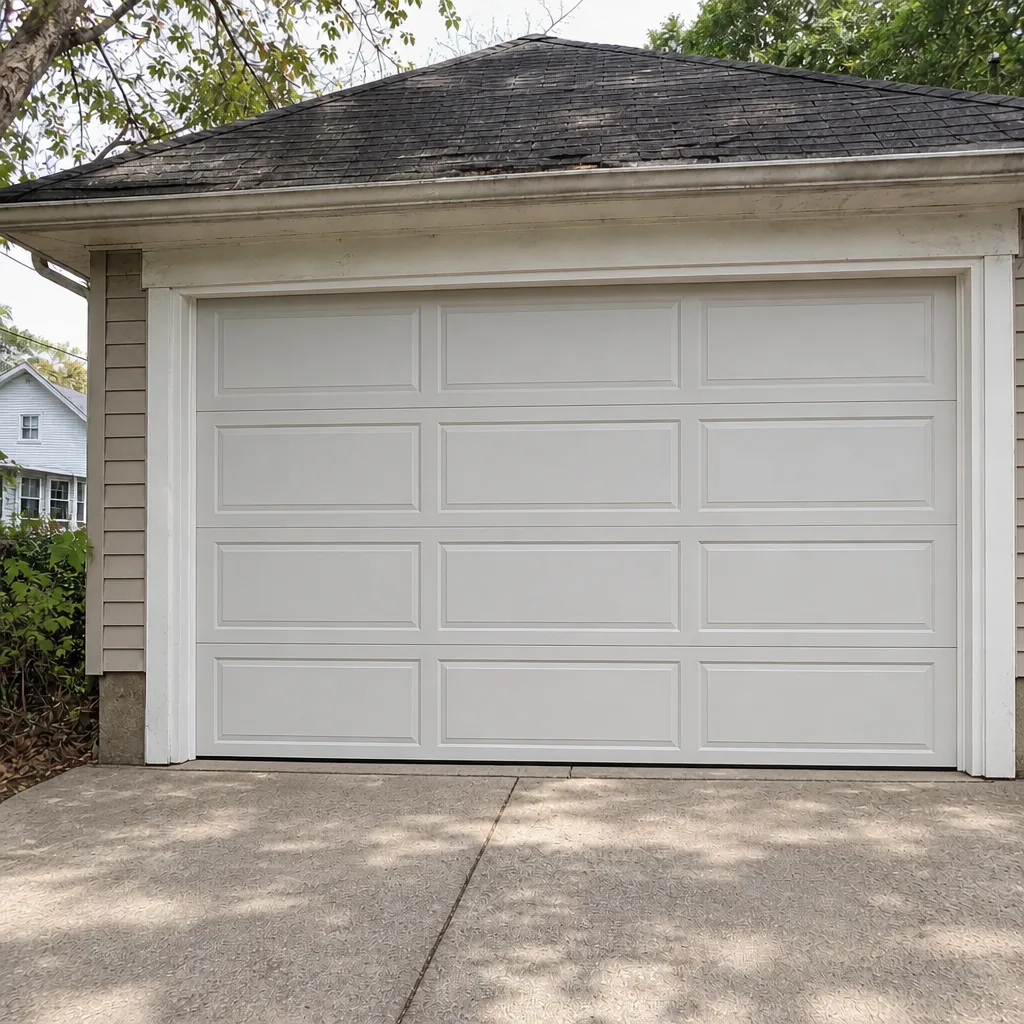 After
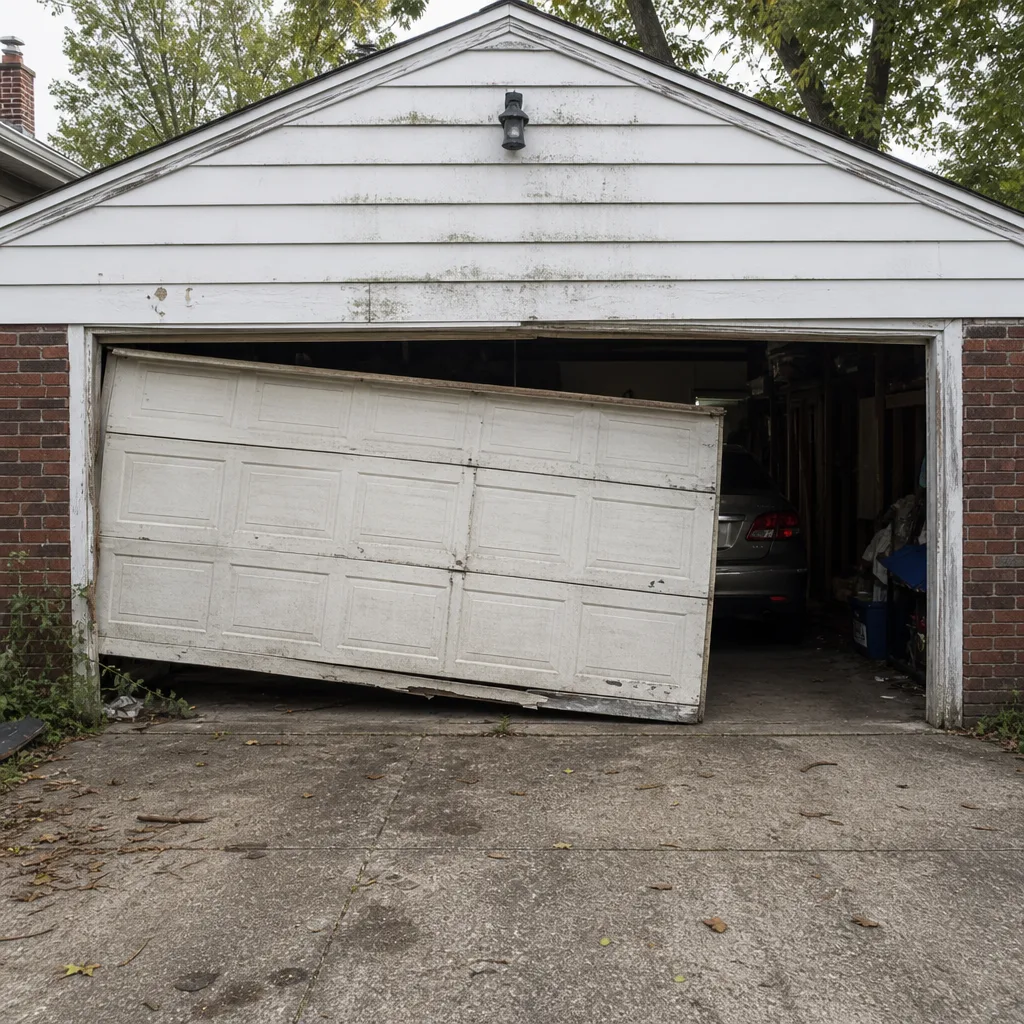 Before
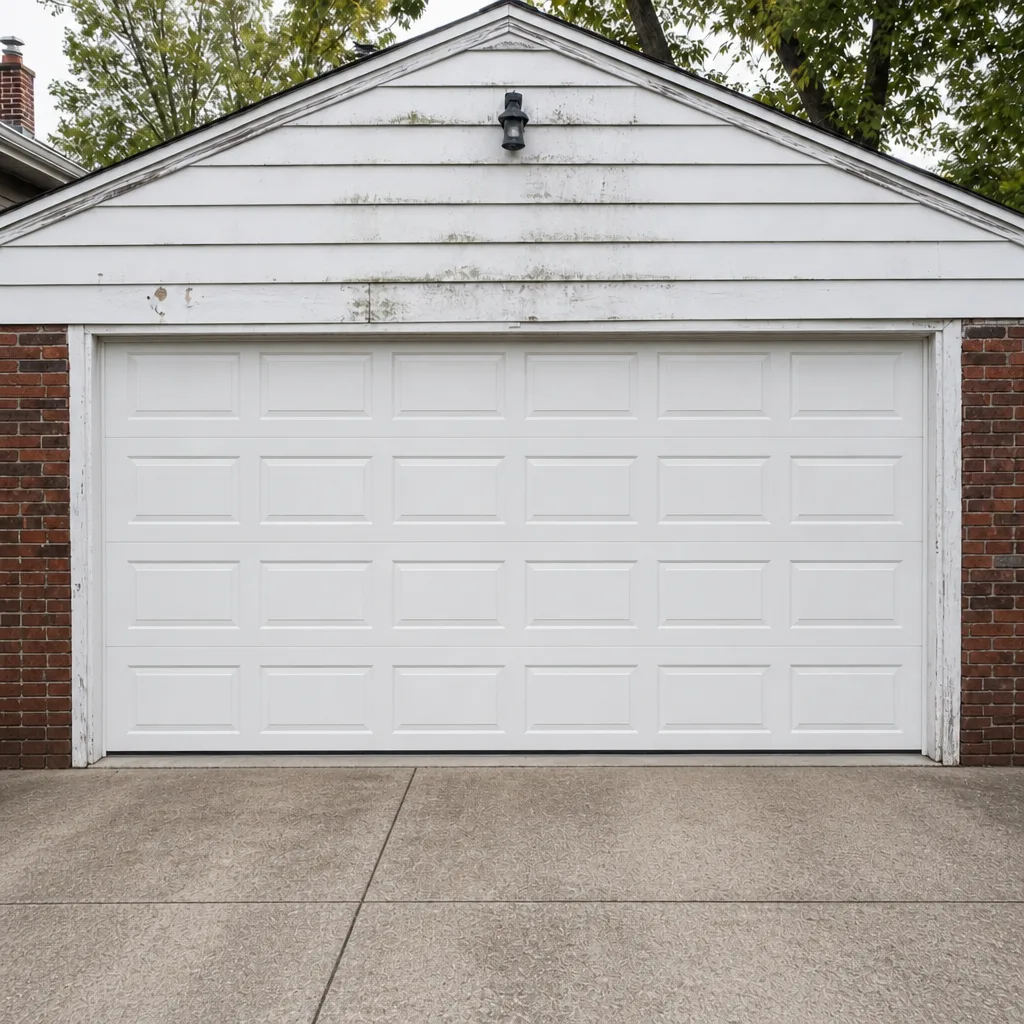 After
When to Call a Professional
Call a professional when you see a broken spring, a frayed cable, a door that drops on the manual release, an off-track door, or a door hanging uneven on one side. Those are stop-use signs. Call for anything you can’t safely reach with the door closed – torsion springs and cables are not a homeowner job. Call if the door’s speed or sound has changed noticeably and hasn’t gone back to normal. Call if you’ve got an older door where parts aren’t on the shelf at a hardware store. Call if you’re not sure. Garage Door Repair Broad Ripple offers free estimates in Broad Ripple – call (833) 968-9838. Our technicians have up to 9 years of experience, and we work on the brand you already own, from LiftMaster openers to Amarr and Raynor door panels. From a snapped spring to a full garage door installation, we handle it in one call.
Frequently Asked Questions
A visibly broken torsion spring is the most urgent warning sign because it carries the door’s counterbalance, and operating the door with a broken spring is a genuine safety risk. If you see a gap in the coil above the door, stop using the door and call a professional. Second on the list is a frayed or kinked cable – cables under tension can snap without warning. Call (833) 968-9838 for a free estimate.
A grinding noise usually means rollers have lost their bearings or the torsion shaft has worn through its lubrication – it’s metal-on-metal contact. Grinding is different from the higher-pitched squeal of dry hinges and is more urgent because it accelerates wear on the tracks and hinges it travels through. If your door grinds, call us at (833) 968-9838 and we’ll get a technician out to look at it.
In most cases, a door that reverses on its own has a dirty or misaligned photo-eye safety sensor – the small lenses near the bottom of the track that detect obstructions. Cleaning the lens on both sensors often fixes it. If the sensors are clean and aimed at each other and the door still reverses, the opener’s logic board or the door’s force limits may need adjusting. Call us at (833) 968-9838 for a free estimate.
Metal contracts in the cold, so springs, tracks, and the torsion shaft all lose a little tension as temperatures drop. If the door gets back to normal speed when temperatures moderate, the winter change is normal. If it doesn’t, the spring tension was likely already off. Call (833) 968-9838 – a spring service call in Broad Ripple is usually quick.
No. If either torsion or extension spring is visibly broken, stop using the door. The spring carries most of the door’s weight, and running the door with a broken spring puts the full load on the opener and the cables. Torsion springs and cables are not a homeowner job – call us at (833) 968-9838 for a free estimate.
Tell them the sound, when it happens in the door’s travel, whether the door moves at all, and the door’s make if the label is visible. Photos of the torsion spring and the track ends help a technician plan the visit before they arrive. The more specific your description, the more accurate the estimate – and the written estimate we give you is the price. Call (833) 968-9838.
The Bottom Line
Garage doors telegraph their problems through sounds, movement patterns, and visual cues that most homeowners dismiss as quirks. Learn the difference between a squeal and a grind, a reversing door and a slow door, a rust streak and a frayed cable, and you’ll catch most repairs before they turn into real problems. The stop-use signs – broken springs, frayed cables, off-track doors, doors that drop on the manual release – are the ones to act on today. Everything else is a schedule-soon signal. In Broad Ripple’s climate and older garages, the seasonal shifts and the pre-1970s build details matter. A ten-minute walkaround twice a year catches most of what the list describes. When you need a professional, our team handles repair, opener repair, spring repair, installation, and parts – springs, openers, panels, parts, handled in one call.
Call (833) 968-9838 for a free estimate. We answer 24/7. Fast dispatch from 7am to 7pm, Sunday through Friday. From a snapped spring to a full new door, our technicians have up to 9 years of experience and work on the brand you already own.
Written by the team at Garage Door Repair Broad Ripple.