
Last updated November 20, 2026
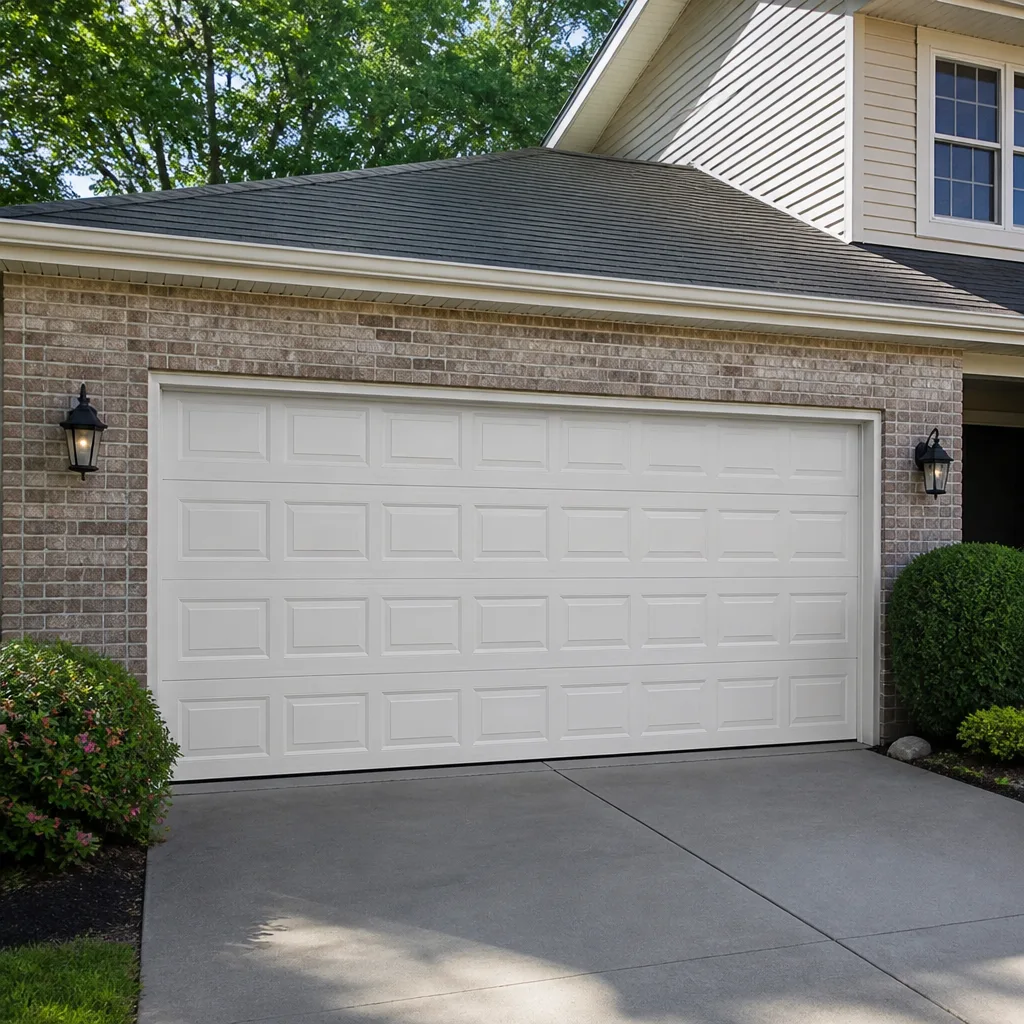 Raised-panel steel
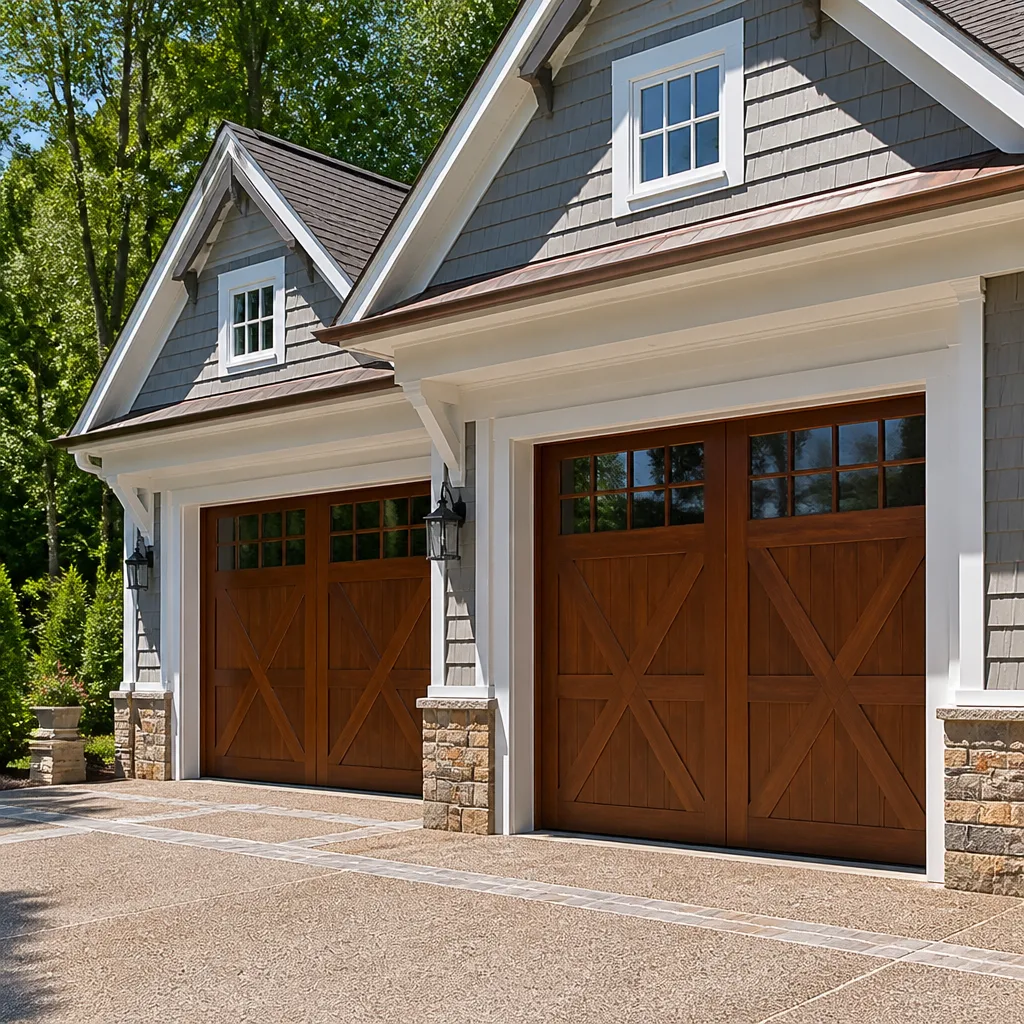 Carriage house
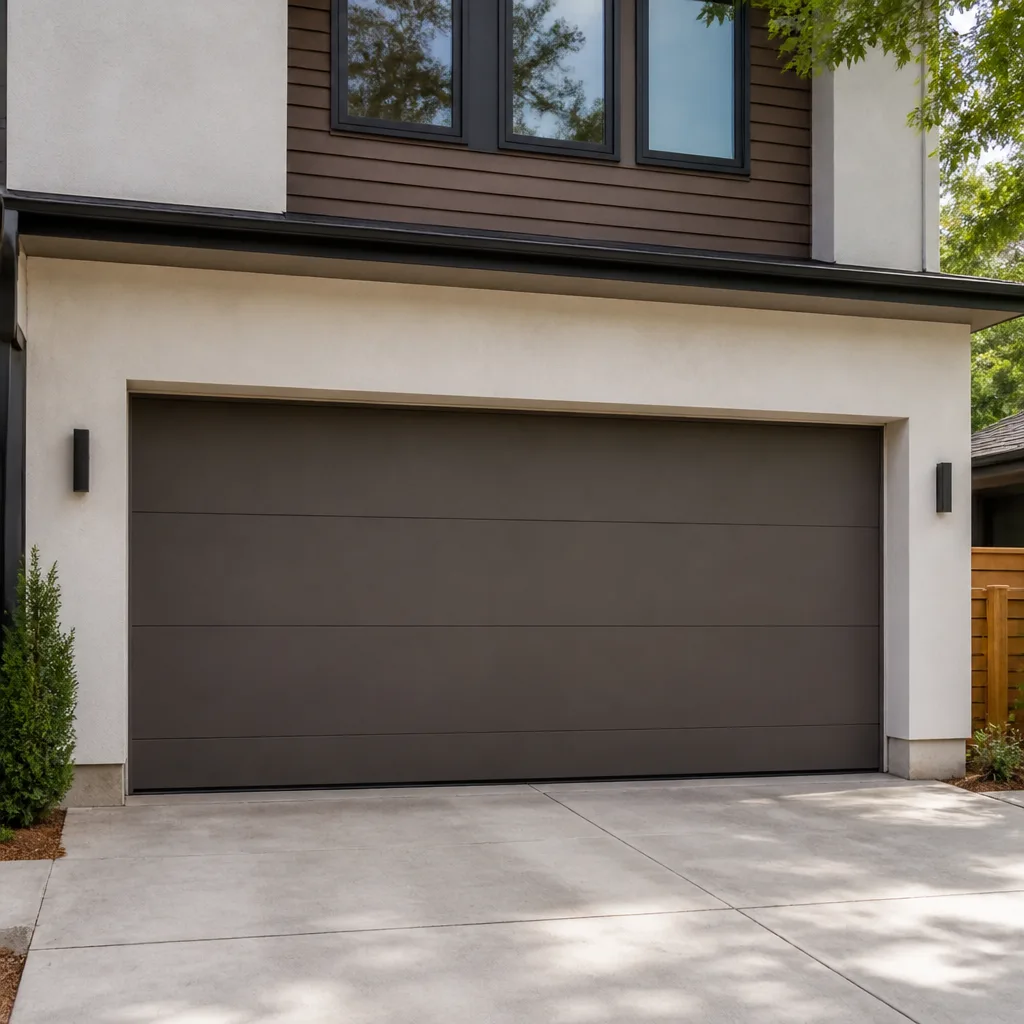 Modern flush
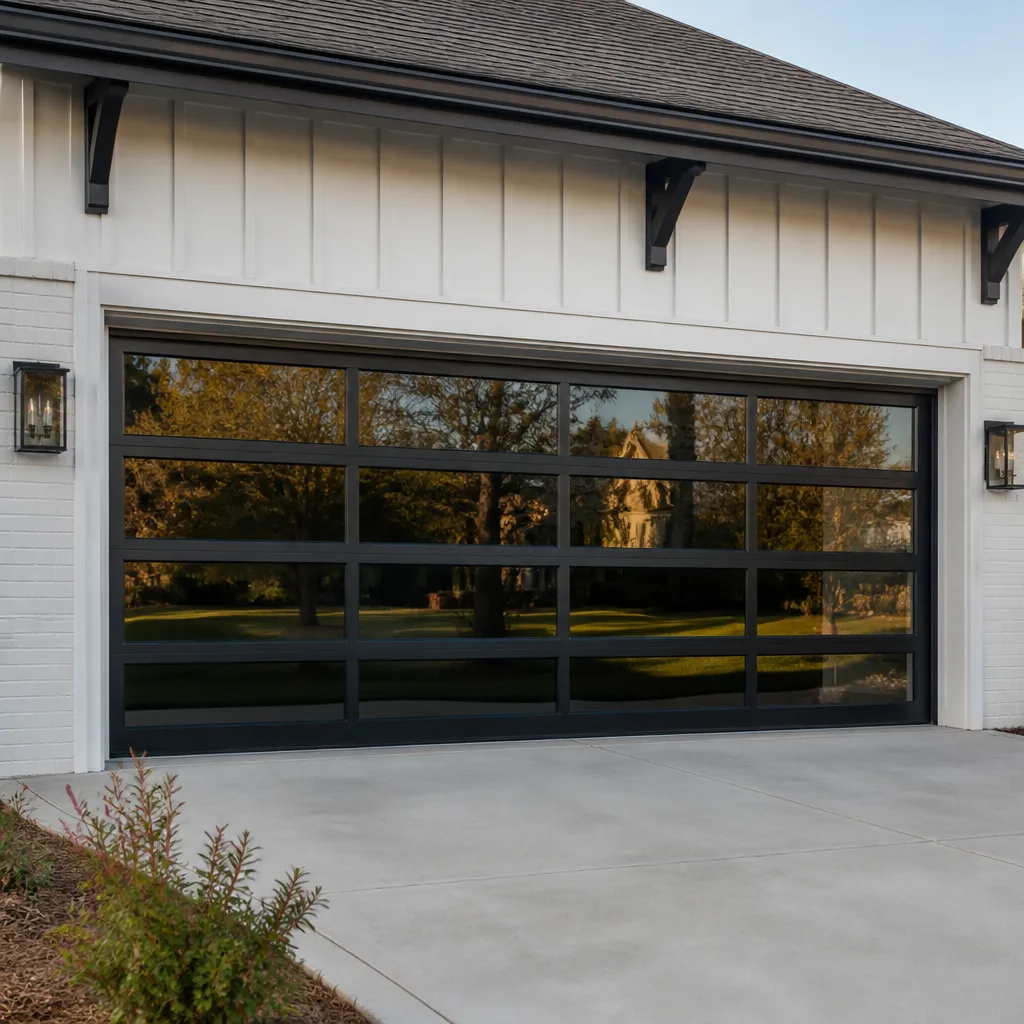 Full-view glass
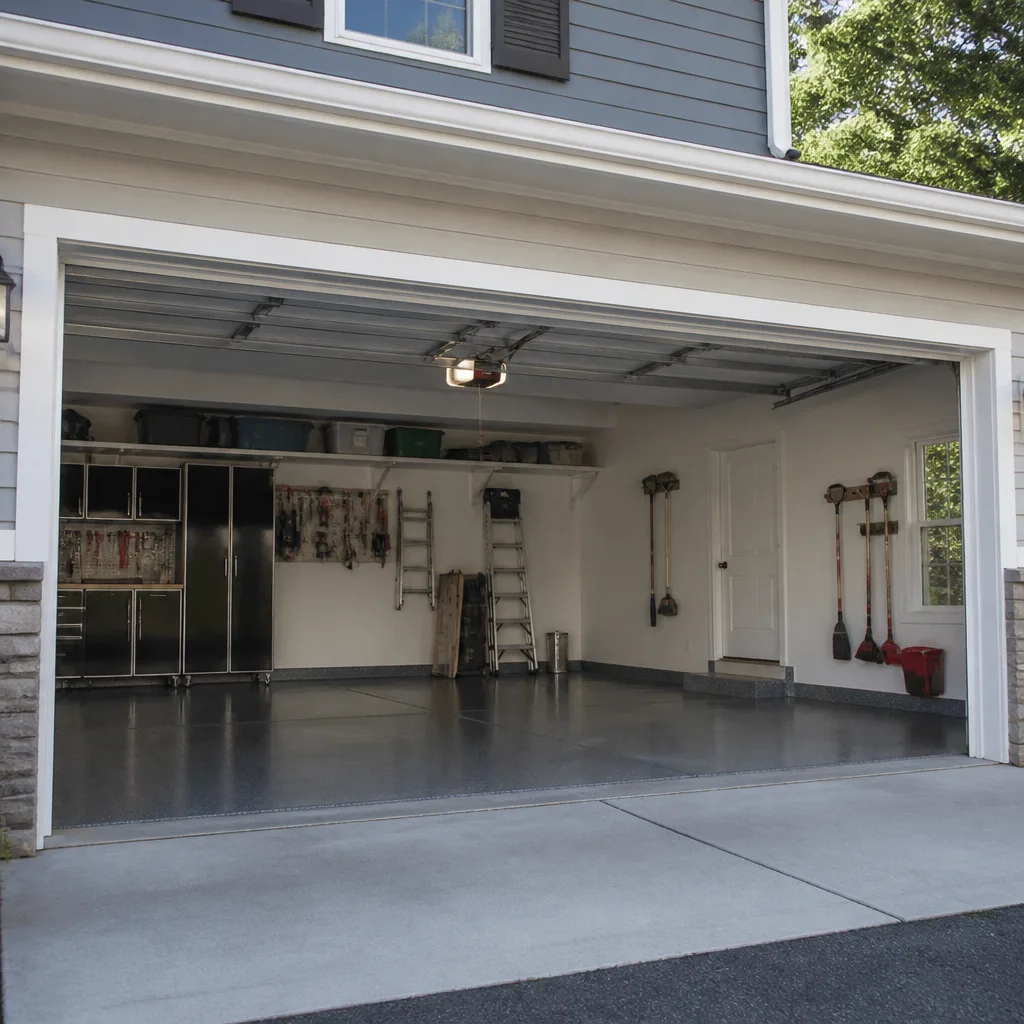 LiftMaster openers
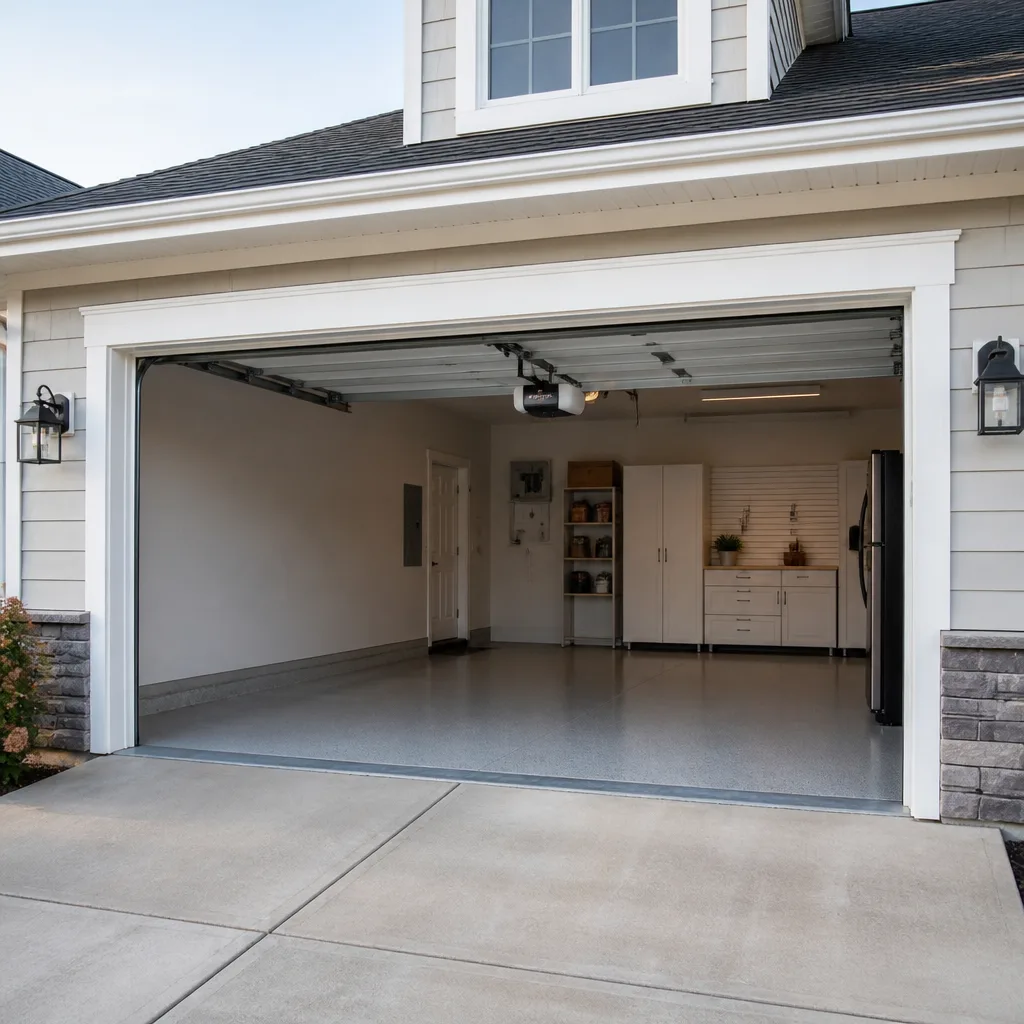 Chamberlain openers
Full 25-point door and opener safety check with every visit - springs, cables, rollers, tracks, and your LiftMaster or Chamberlain opener included
You get a price before we start. It does not change when the pro arrives.
Get your free estimateSeasonal Garage Door Care for Broad Ripple: Year-Round Homeowner’s Guide
Most garage door advice you’ll find online was written for a climate that doesn’t exist here. Checklists built for Phoenix dust or Seattle drizzle miss the thing that actually wears out doors in Broad Ripple: water getting into a joint, freezing, thawing, and doing it again forty-odd times between November and March. That repeated expansion and contraction is what fatigues torsion springs, nudges tracks out of line, and cracks weatherseals long before their time. In this guide we’ll walk through what Central Indiana throws at a garage door across all four seasons, how to spot trouble early, and a printable task calendar you can post on the wall.
Quick Answer
In Broad Ripple, garage door care follows a four-season rhythm driven by freeze-thaw cycles and summer humidity. Lubricate and seal everything before the first hard freeze, watch for ice bonding and sensor condensation in winter, test balance and cable alignment once the ground thaws in spring, and check for humidity swelling and rust in summer. A little attention at each turn of the season prevents most of the breakdowns we get called about.
Styles & brands we work with
- Raised-panel steel
- Carriage house
- Modern flush
- Full-view glass
- LiftMaster openers
- Chamberlain openers
Table of Contents
- Why Broad Ripple Weather Is Hard on Garage Doors
- Fall Prep Before the First Hard Freeze
- Winter: Ice, Condensation, and Cold-Morning Failures
- Spring: The Post-Thaw Inspection
- Summer: Humidity, Swelling, and Ventilation
- The One-Page Seasonal Task Calendar
- What You Can Check and What You Shouldn’t Touch
- Common Mistakes to Avoid
Why Broad Ripple Weather Is Hard on Garage Doors
Broad Ripple sits in a part of Central Indiana that gets genuine winter cold and genuine summer humidity, often within the same year, and that combination is harder on a garage door than either extreme alone. Broad Ripple averages around 26 inches of snow a year and more than 40 freeze-thaw cycles. Every one of those cycles is a small contraction and expansion event. The door’s metal hardware, the weatherseal along the bottom, and the concrete floor it meets all move at slightly different rates, and over a season that adds up.
The mechanics matter here. A torsion spring is a coiled steel part under constant tension, and temperature swings change the way that steel behaves. Cables run through pulleys and around drums, and any moisture that gets into those moving parts can turn into rust or ice. The bottom seal, usually rubber or vinyl, stiffens in the cold and can crack along its length. Wood-composite panels absorb moisture and swell. Steel panels expand and contract. None of these parts fail all at once. They wear a little each season until the morning it stops working.
This is why a generic “check your garage door once a year” reminder isn’t enough in Broad Ripple. The right rhythm here is four small checkpoints, one at each change of season, rather than one big inspection. Most of the wear we see happens between November and March while homeowners aren’t paying attention to the door. Catching it before it starts is the whole game.
If you’d rather have a specialist look at the whole system before the season turns, Garage Door Repair Broad Ripple covers everything from a single seal replacement to a full tune-up.
Fall Prep Before the First Hard Freeze
Fall is the most valuable checkpoint of the year in Central Indiana. The work you do before the first hard freeze protects the door through the months when it’s hardest to fix something quickly. Here’s the order we recommend, and why each step matters.
- Lubricate every moving part. Rollers, hinges, the torsion spring coils, and the bearing plates all benefit from a garage-door-specific lubricant. Do this before cold weather so the lubricant is already in place when temperatures drop. Oil that’s applied in freezing weather doesn’t spread as well into the joints.
- Replace the bottom seal if it’s stiff or cracked. Once the cold arrives, a brittle seal cracks more easily. A fresh seal makes a better contact with the floor through winter and keeps out the meltwater that refreezes into ice bonds.
- Test the auto-reverse sensitivity. The safety reverse feature relies on a sensor and a force setting. Cold can stiffen the mechanism and change how easily the door reverses. Test it in fall so a setting that’s drifted gets corrected before winter makes it worse.
- Check the balance of the door. Disconnect the opener and lift the door halfway by hand. A balanced door stays put. If it drifts down or springs up, the spring tension is off, and that’s a job for a technician.
- Look at the weatherstripping around the frame. Side and top seals that have shrunk or pulled loose let in cold air and moisture, both of which accelerate wear on the hardware behind them.
- Clear the tracks of debris and check for dents. Small track misalignments get worse in cold weather. A track that’s slightly off in October can bind by December.
If your door is a LiftMaster or Chamberlain opener system, fall is also a good time to check the force and travel limits in the opener’s settings. Small adjustments here prevent the door from straining against a limit switch it can’t quite reach.
Winter: Ice, Condensation, and Cold-Morning Failures
Winter is when Broad Ripple garage doors earn their keep, and also when most of the failures happen. Three things cause the majority of the problems we see.
Ice bonding the door to the floor
When meltwater runs under a door and refreezes, the bottom seal can literally freeze to the concrete. A door that’s bonded to the floor forces the opener to work against extra resistance, and that strain can trip the safety reverse, damage the opener’s gears, or bend the bottom section. The fix is prevention: keep the area in front of the door drained and clear, make sure the bottom seal makes proper contact, and if you notice water pooling at the threshold, address it before the next freeze. If the door is already frozen shut, don’t force it. Break the ice bond carefully and let it come free.
Condensation shorting the safety sensors
The photo-eye sensors near the floor on each side of the door are low, close to the cold concrete, and exposed to moisture. In winter, condensation can form on the lenses and the door will refuse to close because the sensor thinks something is in the way. A soft cloth on the lenses clears most of these. If the sensors have moisture inside or the indicator lights are dim, the sensor unit may need replacement.
A torsion spring that snaps on a cold morning
This is the call we get most often in Broad Ripple in January and February. A torsion spring that’s nearing the end of its life is more likely to fail when the steel is cold and stiff. When it goes, you’ll hear a loud bang from the garage and the door will be too heavy to lift by hand. Don’t try to lift it, and don’t try to replace the spring yourself. Torsion springs are under extreme tension and can cause serious injury. A trained technician is the only safe path. We answer 24/7, and fast dispatch runs 7am-7pm so a spring failure gets handled without leaving you stuck.
Winter is also the season to keep opener remotes and wall controls clean and dry. Snow and road grime tracked in on gloves can work their way into buttons and cause intermittent response, which is easy to mistake for an opener failure.
Spring: The Post-Thaw Inspection
Once the ground thaws, the freeze-thaw season leaves its marks, and spring is the best time to catch them. This inspection is where the biggest savings usually come from, because the problems found now are cheaper than the ones found in July.
Cable alignment
Cables run from the bottom corners of the door up around the drums at the top. Winter movement, ice, and heavy use can cause cables to jump a drum or lose tension. Look for cables that are visibly loose, frayed, or running outside their groove. A cable under load is as dangerous as a spring, so if you see a problem, call for garage door repair rather than trying to re-seat it. Frayed strands are a warning sign that the cable is close to failure.
Rust on hardware
Winter moisture plus the freeze-thaw cycle is hard on hinges, rollers, and bearing plates. Small rust spots that start in spring become binding parts by summer. Clean any rust you find on the hardware and lubricate the joints. If a roller is rusted solid or a hinge is showing deep corrosion, replacing it now is cheaper and easier than letting it fail.
Balance and spring testing
Spring is the best time of year to test the door’s balance and listen for the spring’s health. Disconnect the opener and lift the door manually to the halfway point. Does it stay? Does it lift easily? A torsion spring that’s lost tension will make the door hard to lift and quick to drop. A balanced door takes very little effort.
Track and roller inspection
Look down the tracks from floor to ceiling. They should be straight and evenly spaced. Any bend, gap, or misaligned joint means the door may bind or come off the track. Straighten nothing by force; a bent track usually needs replacement. Check the rollers for flat spots, wobble, or worn bearings, and replace any that show play.
Spring is also the season when many Broad Ripple homeowners start thinking about a replacement rather than another repair. If the door has been patched several times over recent years, garage door installation is worth discussing. We’re happy to give a free estimate so you can compare the cost of another repair against a replacement.
Summer: Humidity, Swelling, and Ventilation
Central Indiana summers bring high humidity that’s just as hard on some garage doors as winter cold is on others. The pattern is different, though, and it’s slower, so it’s easier to miss.
Humidity and wood-composite doors
Wood and wood-composite doors absorb moisture in humid weather and swell slightly. Panel joints can open, the door can bow, and the finish can blister. The fix is a good paint or stain barrier. A properly sealed door resists moisture far better than one that’s had a few seasons without repainting. Check the finish at the start of summer and touch up any bare spots.
Steel panels and rust
Steel doors do better in humidity, but any scratch that exposes bare metal can start to rust in a humid garage. Check the panels for chips, especially along the bottom edge where water collects. A small rust spot caught quickly is easy to touch up.
Ventilation matters more than most homeowners realize
A well-ventilated garage stays much drier than a sealed box. Moisture that has nowhere to go condenses on cold metal surfaces, and that’s what causes a lot of the rust and hardware corrosion we see in Broad Ripple. If your garage tends to feel damp in summer, it’s worth improving airflow. An open vent, a small fan, and keeping the space clear of standing water all help.
Opener and sensor check in heat
Opener motors can overheat in a garage that gets full afternoon sun, and safety sensors can be affected by direct sunlight hitting the lens. If the door stops closing reliably on bright afternoons, that’s often the sensor seeing the sun rather than an actual obstruction. Some brands, including Craftsman and Raynor, respond well to a small repositioning of the sensors or a simple shield. If the issue persists, an opener check is worth a call: garage door opener repair covers most of what we see.
The One-Page Seasonal Task Calendar
Print this and put it on the wall inside the garage. It’s a short list per season and covers most of what keeps a Broad Ripple garage door running reliably all year.
Fall (before the first hard freeze)
- Lubricate rollers, hinges, torsion spring, and bearing plates
- Replace a stiff or cracked bottom seal
- Test the auto-reverse sensitivity
- Check door balance with the opener disengaged
- Inspect side and top weatherstripping
- Clear tracks and check for dents or misalignment
Winter
- Keep the threshold clear of standing water and ice
- Wipe moisture off safety sensor lenses
- Watch for cold-morning spring failures (don’t try to lift a door with a broken spring)
- Keep remotes and wall controls dry
Spring (post-thaw)
- Inspect cables for fraying or slack
- Check hinges and rollers for rust
- Retest door balance
- Inspect tracks for bends or gaps
- Replace any roller with flat spots or play
Summer
- Check paint or stain finish for bare spots
- Touch up any rust on steel panels
- Improve garage ventilation if it feels damp
- Check opener and sensor response in bright afternoon sun
If you follow these four checkpoints you’ll catch most problems before they turn into repair calls, and the ones that do come up will be smaller and easier to handle.
What You Can Check and What You Shouldn’t Touch
Some garage door maintenance is genuinely homeowner-friendly. Some is genuinely dangerous. The dividing line is simple: anything under tension or anything holding the door’s weight belongs to a trained technician.
What you can safely do yourself:
- Lubricate hinges, rollers, and bearing plates
- Wipe down safety sensors
- Check that the auto-reverse feature works
- Look at weatherstripping and seals
- Test door balance by hand with the opener disengaged
- Inspect for rust and touch up paint
What you should not do:
- Adjust or replace torsion springs. These are under extreme tension and can cause serious injury if they release unexpectedly.
- Loosen or replace cables that run under load. A slipping cable can cause injury.
- Disconnect or bypass the safety reverse or photo-eye sensors.
- Force a door that’s stuck, jammed, or off its track.
- Replace opener motor components or adjust force settings beyond what the manual describes.
If you’re not sure which category a task falls into, treat it as the second one. A door that’s misbehaving is a signal to call someone, not a challenge to push through. Our technicians have up to 9 years of experience and know exactly which part is under load and which isn’t.
Common Mistakes to Avoid
- Waiting until something breaks to think about the door. In Broad Ripple, most winter failures are the result of a small issue that went unaddressed in the fall. A quick check in October prevents most January calls.
- Using the wrong lubricant. WD-40 and general-purpose oils attract dust and gum up rollers. A garage-door-specific lubricant is formulated for the parts under load.
- Painting over seals and tracks. Paint locks moving parts. Keep it off hinges, rollers, and the bottom seal, and only paint the door panels themselves.
- Ignoring a small crack in the bottom seal. A crack that starts in fall lets water in, and that water freezes. Replace the seal early rather than after it’s bonded to the floor.
- Replacing a broken spring with the wrong type. Torsion springs are matched to the door’s weight and height. A mismatched spring damages the opener and shortens its own life.
- Assuming a broken opener when the door is actually binding. Many “opener failures” in this climate are actually a door that’s harder to lift than it should be. Diagnosing the door before the opener saves money.
- Leaving the garage unventilated all summer. Trapped humidity is the leading cause of rust and hardware corrosion we see in Broad Ripple. A little airflow goes a long way.
See the difference
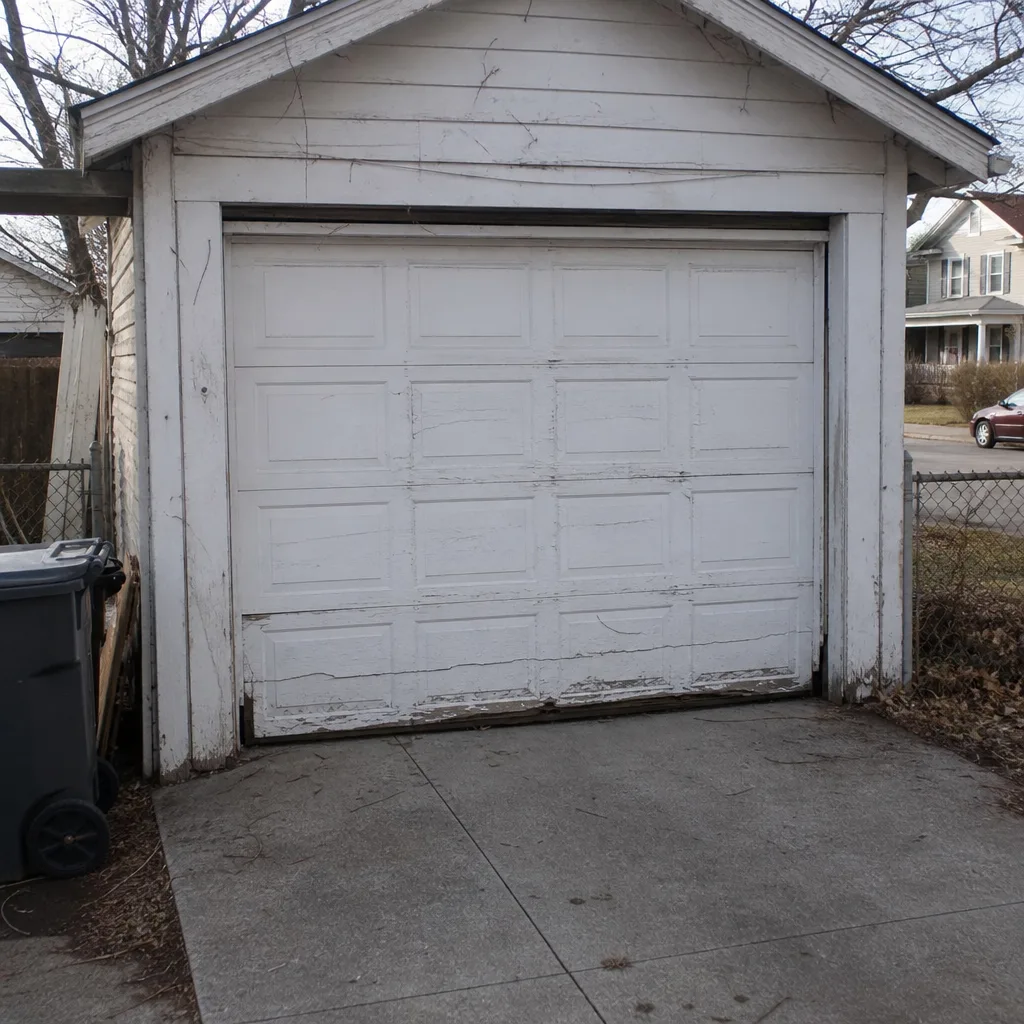 Before
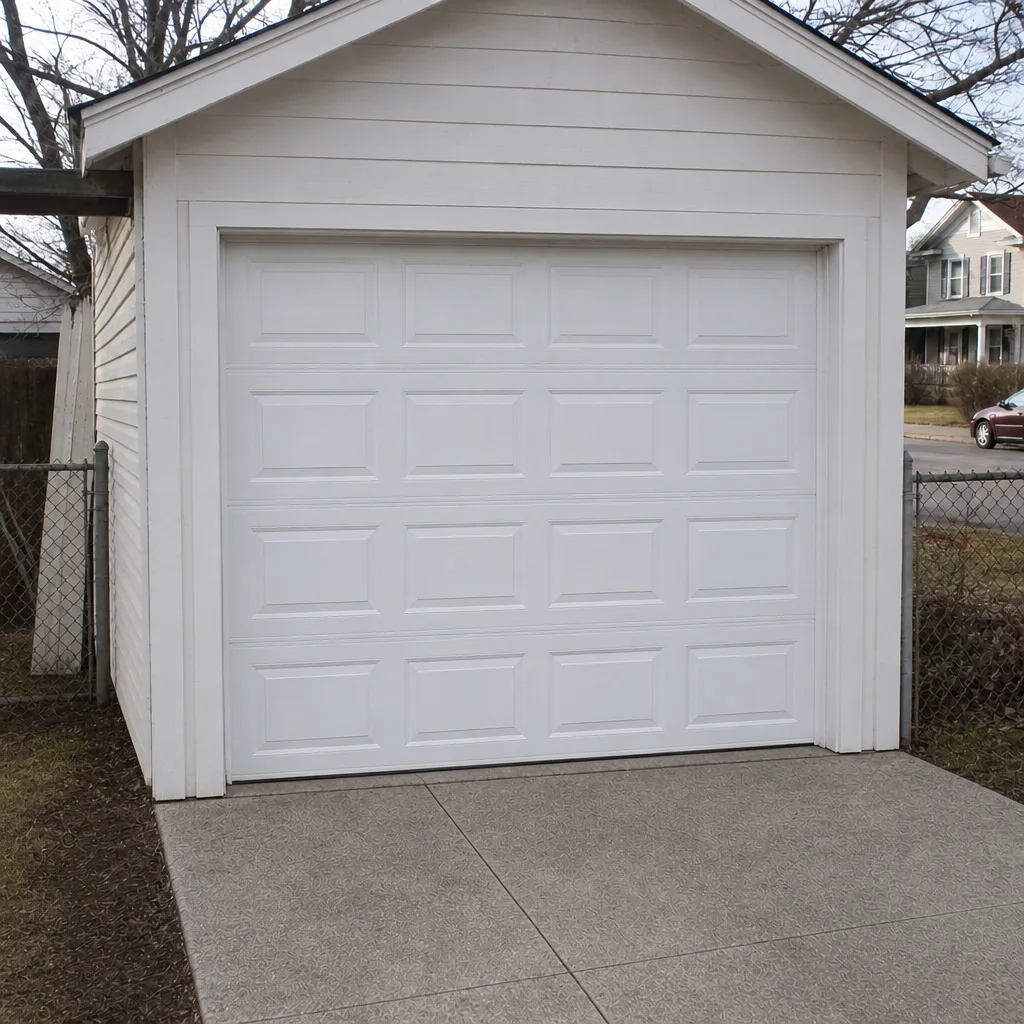 After
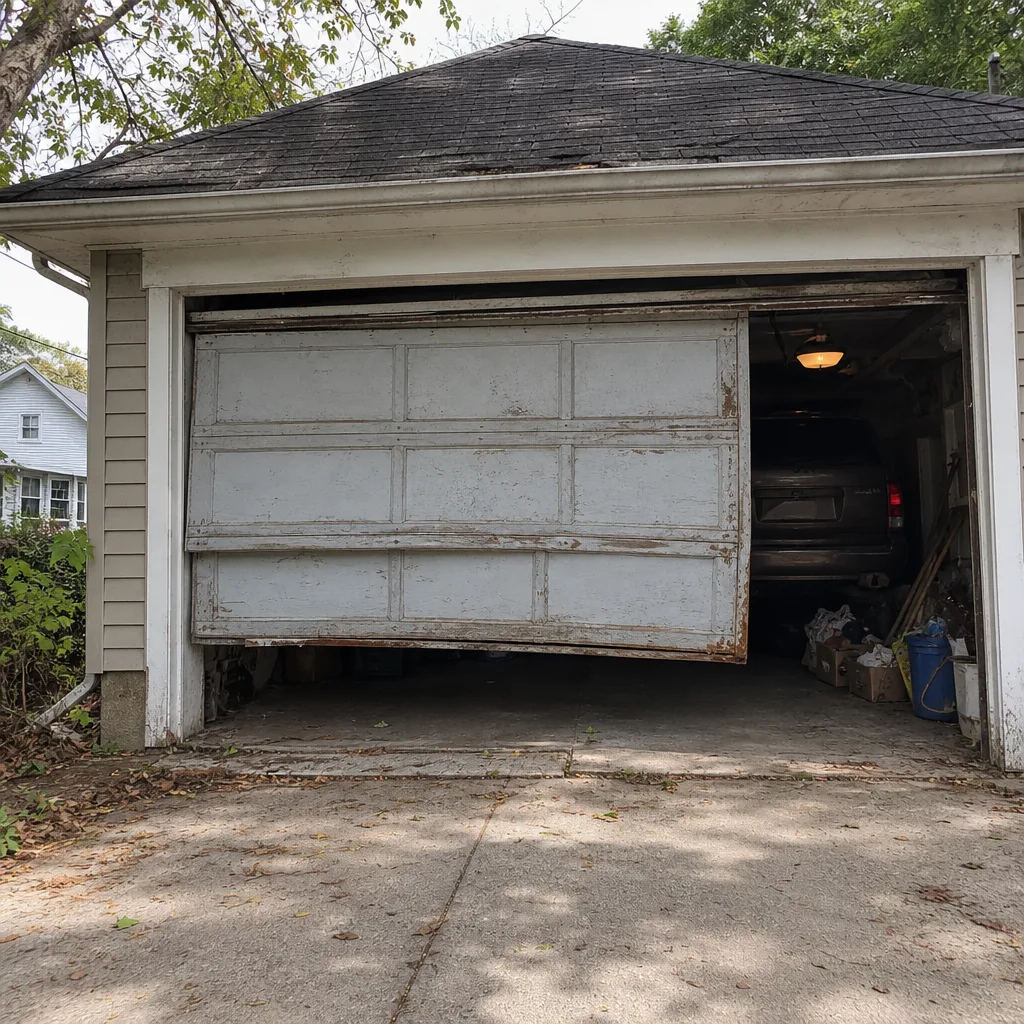 Before
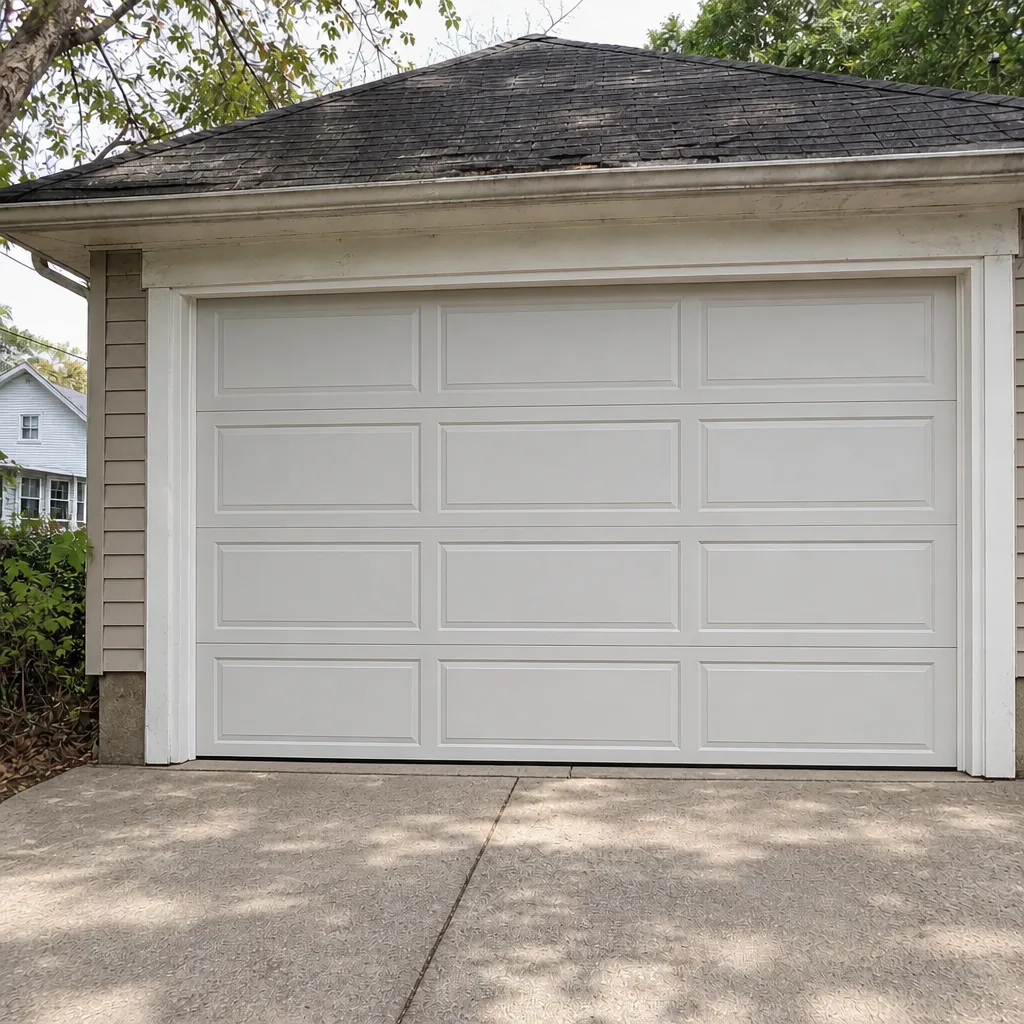 After
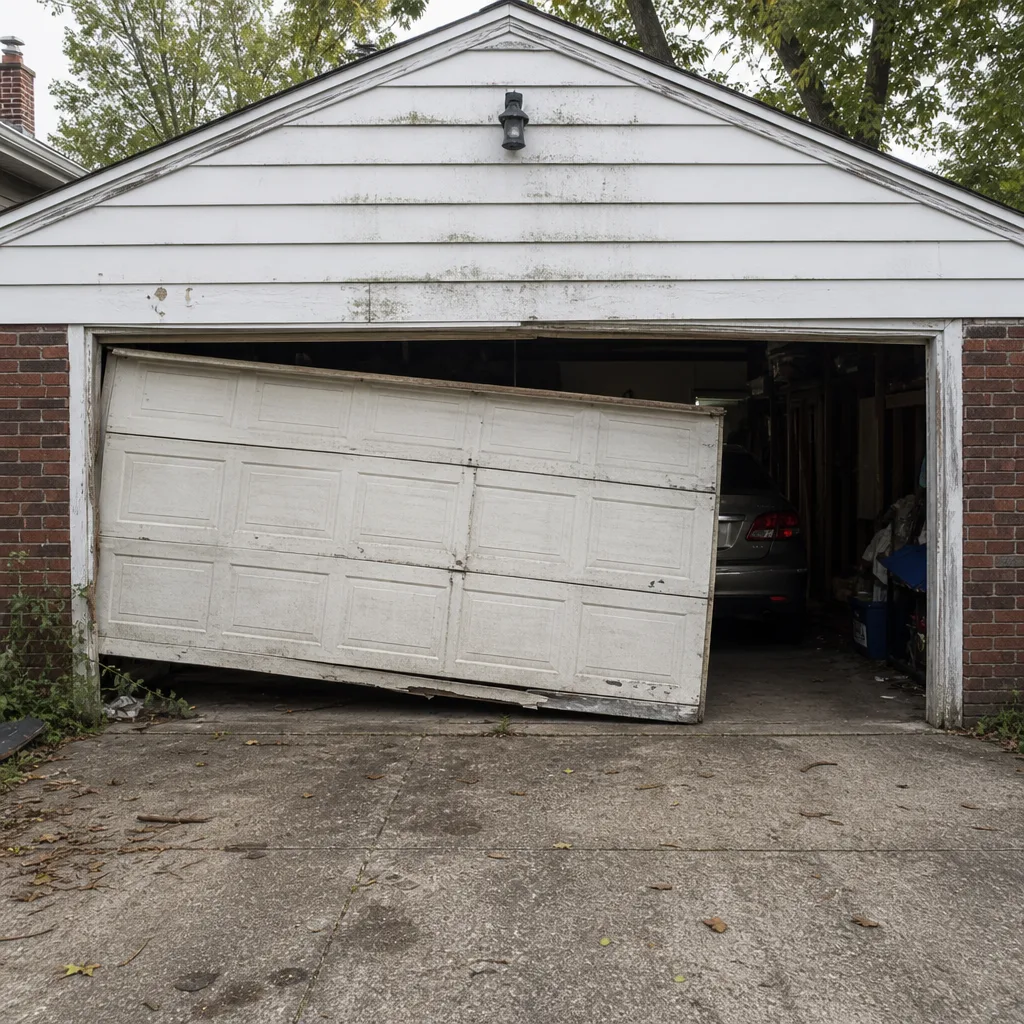 Before
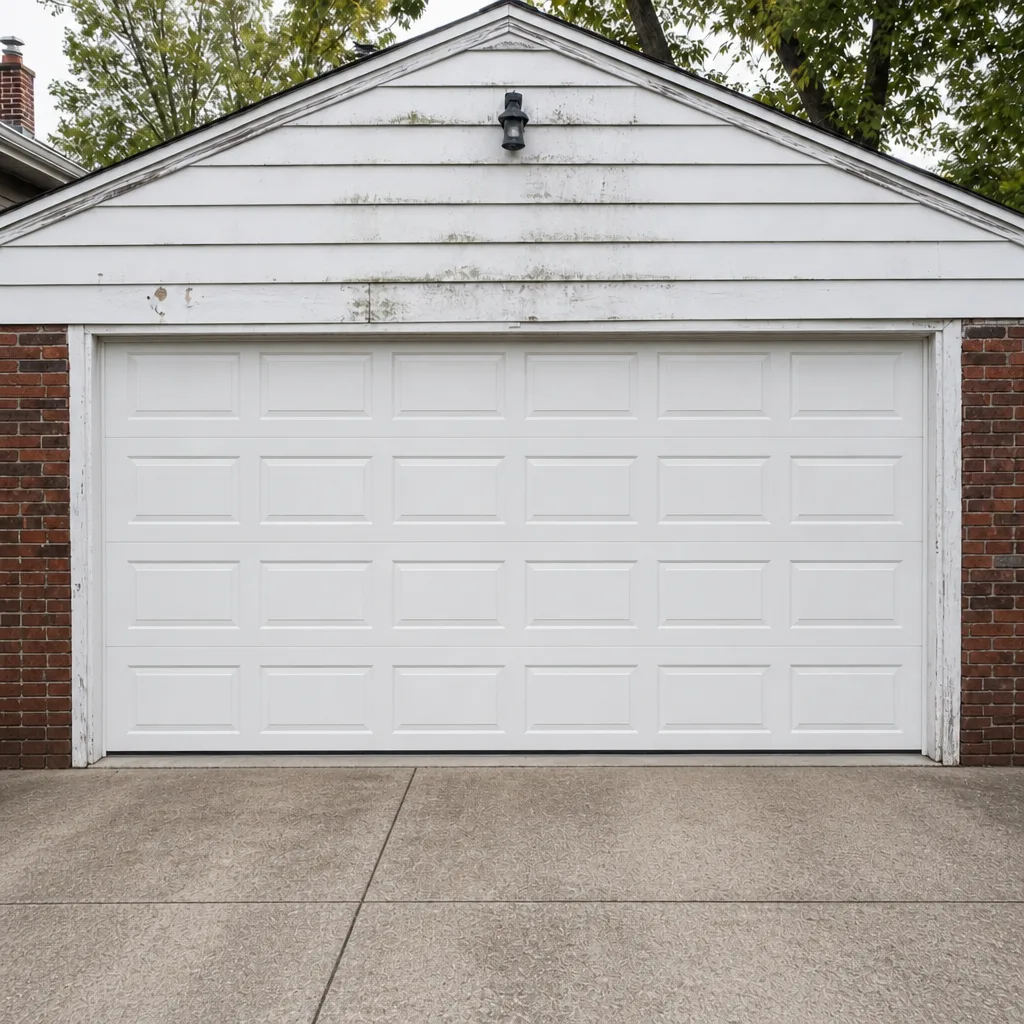 After
When to Call a Professional
Call a professional when the door won’t open or close, when it opens unevenly, when you hear a bang from the garage, or when the safety reverse fails. Any of those is a sign of a system out of adjustment or a part nearing failure, and each one is cheaper to fix before it causes further damage. A snapped spring, a loose cable, or a door off its track should never be handled by a homeowner, given the force involved. If you’ve done a seasonal check and you’re not sure about what you found, a professional eyes-on look is worth the call. Garage Door Repair Broad Ripple offers free estimates in Broad Ripple, call (833) 968-9838. We answer 24/7. Fast dispatch from 7am to 7pm, Sunday through Friday.
Frequently Asked Questions
A full professional service once a year is enough for most doors, ideally in the fall before the first hard freeze. Between services, follow the four seasonal checkpoints above. If your door sees heavy daily use, or it’s a wood-composite door that faces the weather more directly, a second professional look in spring is worth considering.
Freeze-thaw cycles are the biggest risk. The repeated contraction and expansion fatigues springs, cracks seals, and pushes tracks out of alignment, and most of that happens between November and March. Lubricating and sealing in fall and inspecting in spring covers most of it.
No. Torsion springs are under extreme tension and can cause serious injury if they release unexpectedly. Leave the door in place, don’t try to lift it, and call a technician who can replace the spring safely with the right matched part. We answer 24/7 and fast dispatch from 7am to 7pm gets it handled the same day in most cases.
Not necessarily every year, but check the finish every summer and touch up bare spots. In Central Indiana humidity, a door that goes two or three summers without a refresh will start to swell and blister at the panel joints. A good paint barrier is the cheapest protection you can give a wood-composite door.
Condensation on the lens is the most common cause. The sensors sit low, close to cold concrete, and moisture easily forms on them in winter. A soft cloth on the lenses clears most of it. If the sensor’s indicator light is dim or the lens has moisture inside, the sensor unit may need replacement.
The local pro we connect you with is licensed and insured as their state requires. We work with you to set up the visit and the price is quoted and agreed before any work starts. Call (833) 968-9838 for a free estimate on any garage door issue in Broad Ripple.
The Bottom Line
Broad Ripple garage doors live in a climate that’s hard on them in every season. Freeze-thaw cycles do the most damage, and fall prep plus a spring inspection catches most of it. Summer humidity and winter ice each bring their own problems, and both respond well to small preventive steps. A seasonal routine of lubricating, sealing, testing balance, and inspecting hardware prevents the majority of repair calls we see in this neighborhood. The rest is knowing when to call someone. Garage doors are all we do, and we work on the brand you already own.
If a seasonal check turns up something you’re not sure about, call (833) 968-9838 for a free estimate. We answer 24/7. Fast dispatch from 7am to 7pm, Sunday through Friday. From a snapped spring to a full installation, the right fix is one call away.
Written by the team at Garage Door Repair Broad Ripple.