
Last updated November 20, 2026
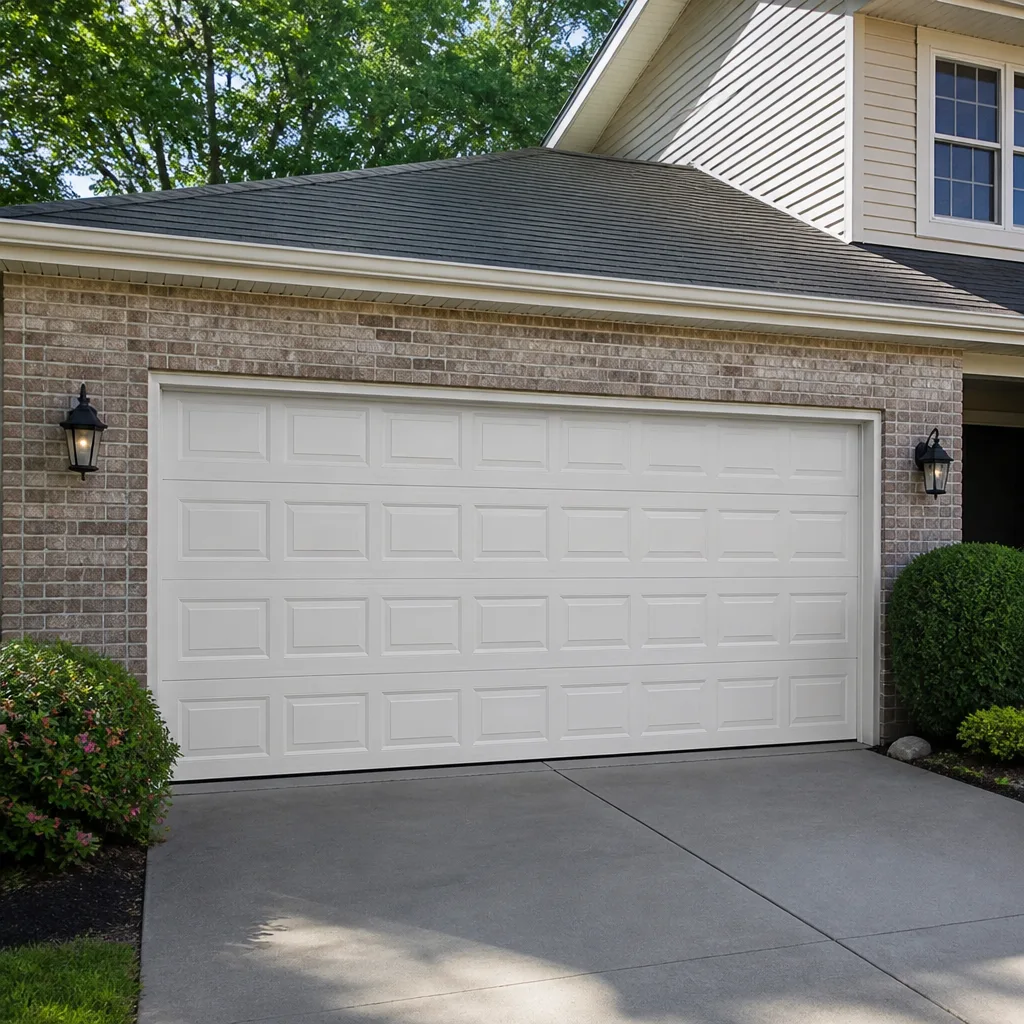 Raised-panel steel
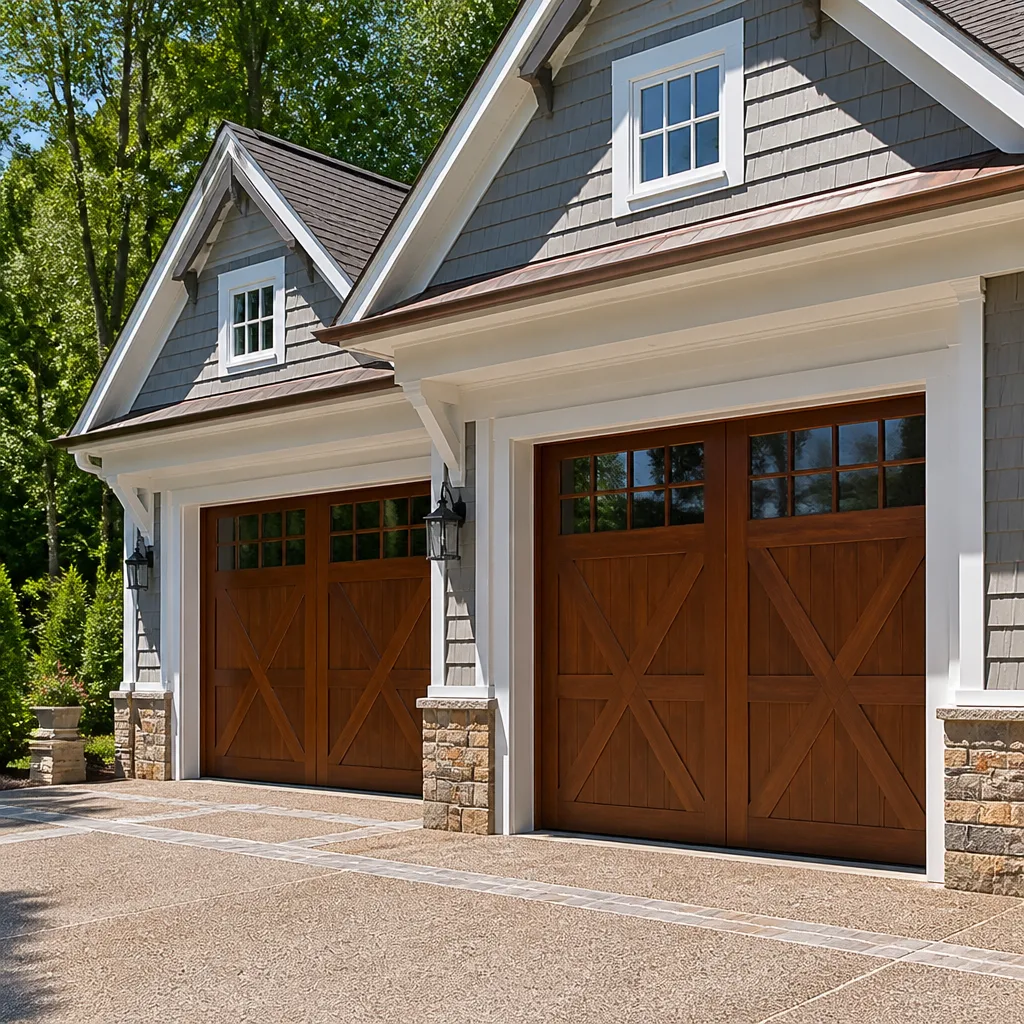 Carriage house
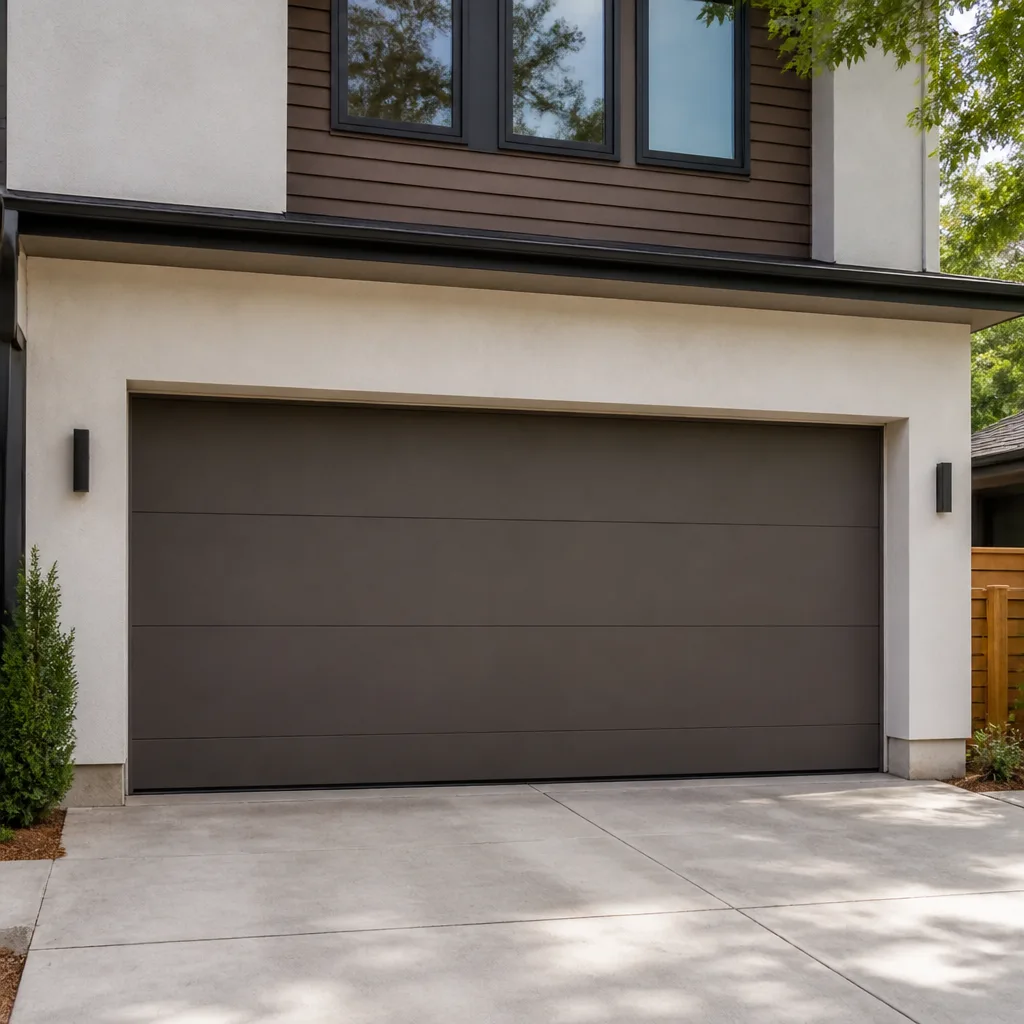 Modern flush
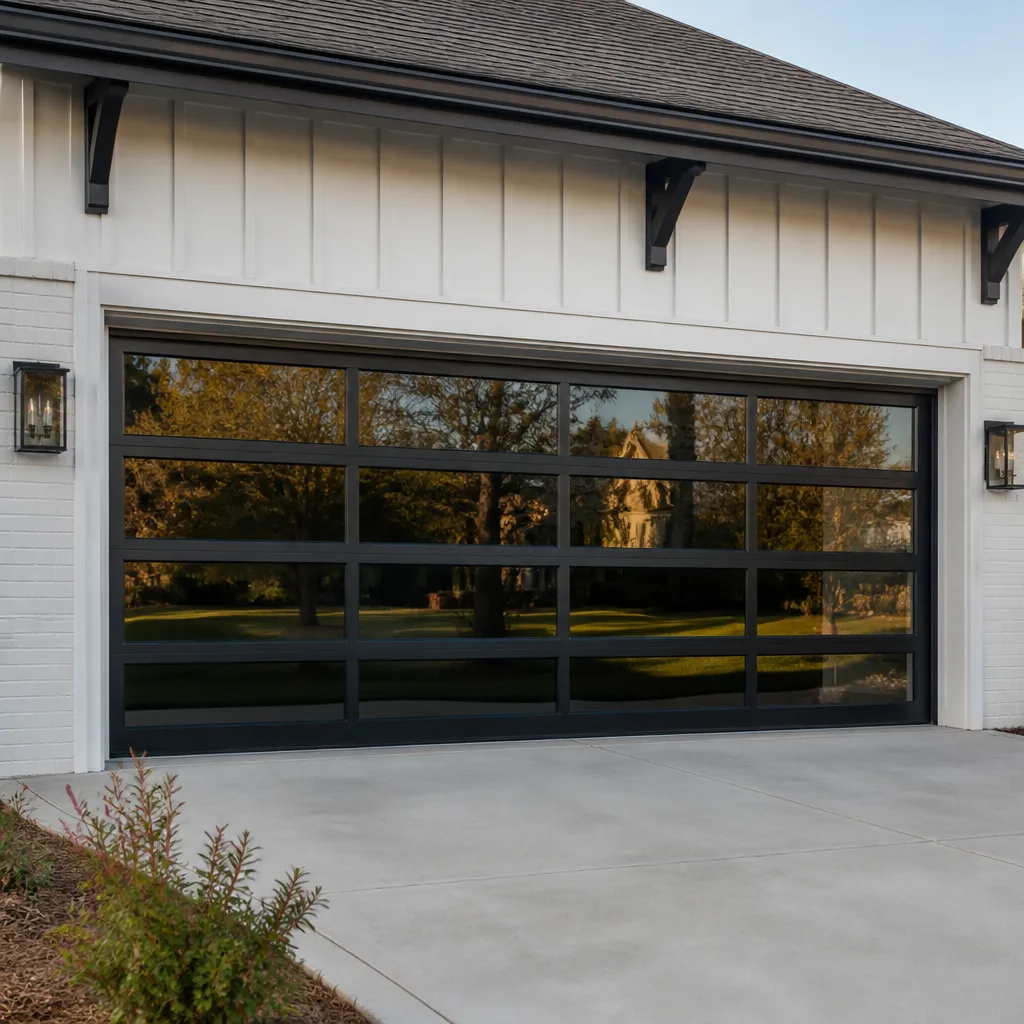 Full-view glass
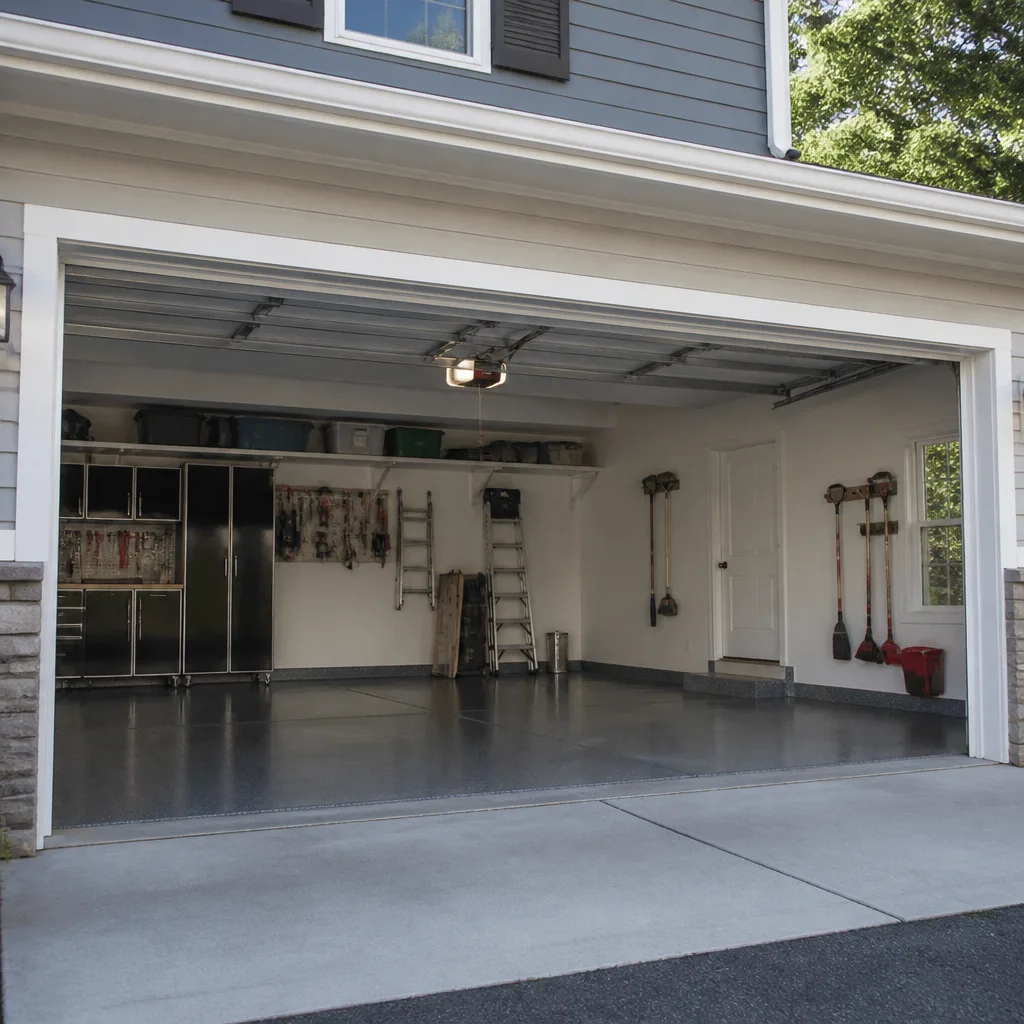 LiftMaster openers
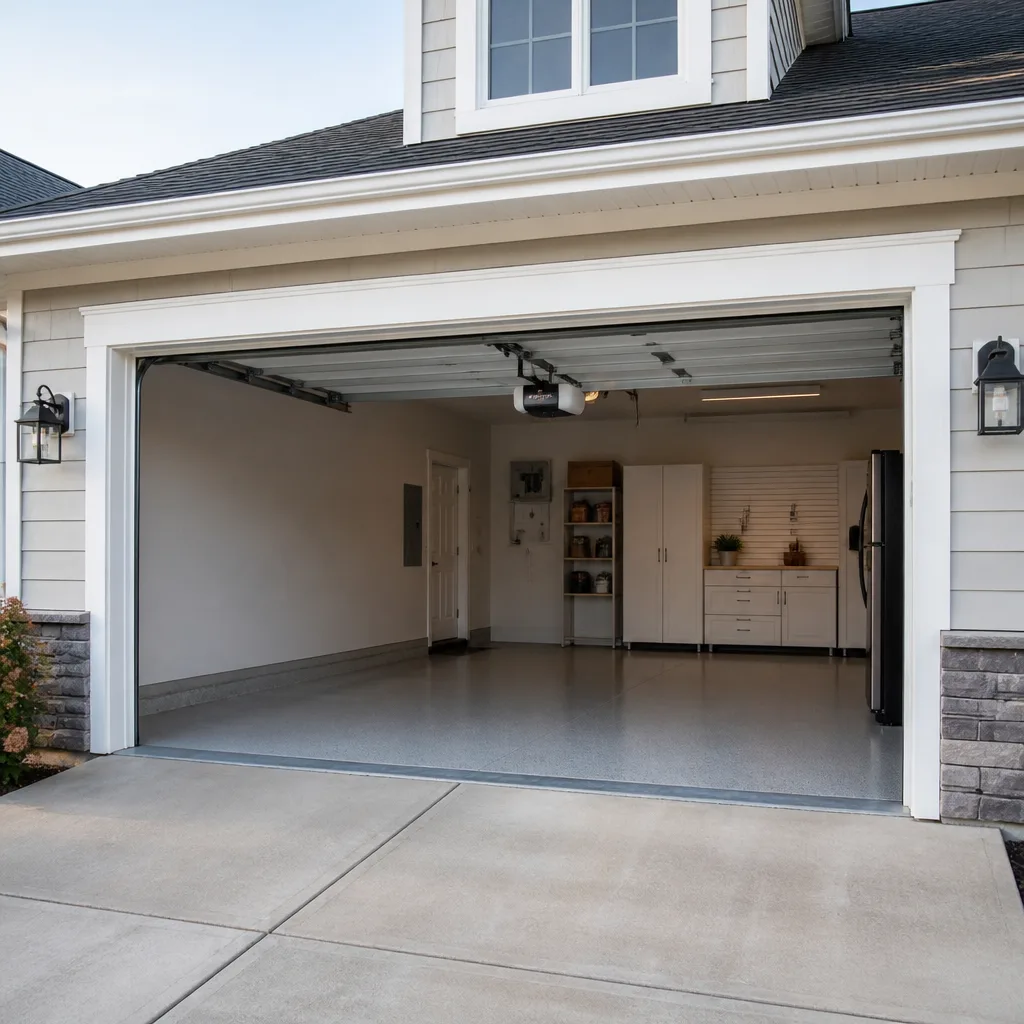 Chamberlain openers
Full 25-point door and opener safety check with every visit - springs, cables, rollers, tracks, and your LiftMaster or Chamberlain opener included
You get a price before we start. It does not change when the pro arrives.
Get your free estimateDIY vs Professional Garage Door: The Broad Ripple Homeowner’s Decision Guide
A torsion spring stores a serious amount of energy when it’s wound, and that stored energy is the whole reason this decision can’t be a simple cost comparison. A snapped spring, a loosened cable, or a track knocked out of alignment under load can hurt someone badly in a fraction of a second, which is why the DIY-versus-professional question for garage doors has to start with risk and work backward to money. Some jobs around a garage door are genuinely safe for a homeowner with basic tools. Others aren’t, no matter how handy you are. In this guide we draw that line clearly for Broad Ripple homeowners, so you stop overspending on the easy tasks and stop underspending on the dangerous ones.
Quick Answer
Lubrication, safety-sensor alignment, remote reprogramming, weather seal replacement, and light track cleaning are safe for most Broad Ripple homeowners to handle with basic tools. Torsion spring replacement, cable replacement, track realignment under tension, and opener installation in older framing should be handled by a trained garage door technician, because the injury risk and the chance of causing secondary damage make professional labor the cheaper choice in real terms. Everything else depends on whether the symptom you’re seeing is the actual problem or a warning sign of something larger.
Styles & brands we work with
- Raised-panel steel
- Carriage house
- Modern flush
- Full-view glass
- LiftMaster openers
- Chamberlain openers
Table of Contents
- Tasks You Can Safely DIY
- Tasks That Require a Professional
- The Real Cost Comparison
- When a Simple Problem Is a Symptom
- Already Started and Realized It’s Too Much?
- What Makes Broad Ripple Garages Different
- Tools Worth Owning vs. Tools You’ll Never Use Again
- Common Mistakes to Avoid
- When to Call a Professional
- Frequently Asked Questions
Tasks You Can Safely DIY
Here’s the first line: if the task doesn’t involve a component under spring or cable tension, most homeowners can do it themselves. These are the jobs where a Saturday morning, a ladder, and a handful of basic tools actually get you a working door, and where calling a technician is a reasonable convenience but not a necessity.
- Safety sensor alignment. The photo-eye sensors near the floor should face each other squarely and light up solid. If one blinks, the beam is broken or misaligned. Nudge the bracket, clean the lens, and check for cobwebs or a stray leaf blocking the beam.
- Lubrication. A light coat of garage-door-rated lubricant on the rollers, hinges, and the torsion bar bearings quiets a squeaky door and reduces strain on the opener. Avoid greasing the tracks themselves, since that attracts dirt and grit.
- Remote and keypad reprogramming. Most modern openers, including common LiftMaster and Craftsman units, have a learn button on the motor head. Pressing it and then pressing your remote is usually all it takes.
- Weather seal replacement. The rubber or vinyl strip along the bottom of the door slides out of its retainer and slides back in. Same for the perimeter seals on the sides and top.
- Light track cleaning. Wiping the inside of the vertical tracks with a damp rag and checking for loose bolts is safe, as long as you’re not loosening the track brackets themselves.
- Visual inspection. Standing back and looking at the door’s balance, the straightness of the panels, and the state of the springs (looking, not touching) tells you a lot about whether you have a DIY job or a professional one.
These tasks fall well within reach for most Broad Ripple homeowners, especially in the older homes and carriage-style garages that make up much of the neighborhood. If a door is squeaking, a remote has stopped responding, or the safety sensors are blinking after a power outage, there’s a solid chance you can fix it with a few minutes and a screwdriver.
Tasks That Require a Professional
This is where the guide earns its keep. The jobs below aren’t difficult because they’re complicated. They’re difficult because they’re dangerous. Every one of them involves stored energy, heavy components, or both, and getting it wrong can cause serious injury or turn a modest repair into a full replacement.
- Torsion spring replacement. The torsion spring sits above the door and stores the energy that counterbalances the door’s weight. Winding and unwinding it requires specific tools and a clear understanding of how the spring is held in place. This is the single most dangerous job in the trade, and it’s the one that most often goes wrong when a homeowner tries it without training.
- Extension spring replacement. Older doors use springs along the horizontal tracks. They carry less stored energy than torsion springs but still release enough force to cause injury if the door is raised or the spring is under load.
- Cable replacement. The lift cables are under constant tension from the springs. Even with the door down, the cables are live. Replacing them safely means releasing that tension first, which circles back to the spring problem.
- Track realignment under load. Straightening a bent track while the door is hanging on it puts you in the path of a moving, heavy object. The panels can shift suddenly and the door can come off its hinges.
- Opener installation in older framing. In Broad Ripple’s older houses, the ceiling joists in a garage are rarely standard. Mounting a new opener means finding solid attachment points, which often means opening up or reinforcing the framing. That’s careful carpentry, not a swap.
- Panel or section replacement on a metal door. Panels are heavy, awkward, and interlock with the rest of the door under tension. Replacing one incorrectly can throw off the door’s balance and stress the opener.
- Anything involving gas, electrical conduits, or low-voltage wiring that isn’t a simple plug-in. Opener wiring that runs to a wall switch is usually fine to trace. Wiring that runs to a new outlet is a licensed electrician’s job.
We work on garage doors all day, and we still treat spring and cable work with caution. That’s not because we’re timid. It’s because we’ve seen what happens when a spring lets go. If you take one thing from this Broad Ripple guide, let it be this: springs and cables are not homeowner jobs, no matter how confident you feel after watching a video.
The Real Cost Comparison
The DIY argument almost always starts with the labor rate. It shouldn’t. The real cost of a DIY attempt includes the tools, the parts markup, the time, and the cost of fixing what went wrong if the job doesn’t finish cleanly. Here’s how those line items actually break down.
- Labor cost. A professional repair quote includes the technician’s time, the correct tools, and the knowledge to do the job in one visit. That’s the visible cost.
- Parts markup differential. Retail parts from a big-box store often cost nearly as much as the parts a technician installs, and DIY-installed parts usually come with no warranty. A technician brings the right part for the right brand, and if it fails, there’s someone to call.
- Tool investment. Winding bars for torsion springs, a proper cable puller, and a torque-rated socket set add up quickly. For a one-time repair, those tools cost more than the labor you were trying to save.
- Time cost. A repair that a technician finishes in a single visit can turn into a full weekend of trial and error for a first-timer. If the door has to stay open (or closed) in the meantime, the inconvenience grows.
- Secondary damage. A bent track, a stripped opener gear, or a cracked panel caused by an incorrect DIY repair is a separate repair on top of the original one. That’s the hidden cost most people don’t factor in.
- Safety cost. There’s no clean way to put a dollar figure on an injury, so we won’t. But if a job has a real chance of sending you to urgent care, the comparison stops being about money.
On the other side, DIY wins cleanly for the low-risk jobs. A $10 tube of lubricant and 15 minutes of your time is a better deal than a service call, every time. A weather seal replacement kit costs less than a technician visit and takes half an hour. The mistake isn’t doing these jobs yourself. The mistake is treating the dangerous jobs the same way. For those, get a written estimate and let the numbers speak. Our garage door repair service quotes the job before anything starts, so you’re not guessing.
When a Simple Problem Is a Symptom
Some of the scariest garage door problems start out looking like easy fixes. A door that reverses when it hits the floor could be a misaligned sensor, or it could be a sign that a spring has lost tension and the opener is doing work it wasn’t designed to do. A door that opens partway and stops could be a limit switch, or it could be a binding track that’s about to fail entirely. The DIY risk here isn’t that you’ll hurt yourself. It’s that you’ll treat a symptom and leave the real problem to get worse.
Here are the patterns worth pausing on:
- A door that suddenly reverses for no obvious reason. If the sensors are clean, aligned, and solid, the opener is probably detecting resistance from a binding track, a failing spring, or a worn roller. Don’t just keep pressing the remote. Trace it.
- A door that’s noticeably harder to lift by hand. A properly balanced door lifts with two fingers. If it takes effort, a spring has lost tension. That’s a spring problem, not an opener problem.
- A door that drifts down when you let go halfway up. It’s out of balance. The opener will eventually fail from doing work it shouldn’t. Catching it now saves a bigger repair later.
- A grinding noise from the opener that wasn’t there last month. Often a worn gear or a stripped sprocket. Do nothing and the opener fails outright. We handle this with garage door opener repair, and we can diagnose the door at the same time.
- Visible gaps between panels or a door that hangs crooked. Usually a bent track, sometimes a hinge that’s torn loose. It’s a symptom, not a cosmetic issue, and it will wear out rollers and opener gears if it’s ignored.
- A door that opens unevenly from side to side. One lift cable is likely stretched or failing. Cable problems are a professional job, not a DIY one.
If you’re not sure whether what you’re seeing is the whole story, that’s a good reason to get a professional opinion before you touch anything. Skipping that step is how a small repair turns into a full replacement in a Broad Ripple garage.
Already Started and Realized It’s Too Much?
This happens more often than people admit, and it’s the part of the DIY conversation most guides skip. You started a repair, got halfway, and realized the job is bigger than you thought. The instinct is to keep going or to put everything back together as best you can. Both are risky. Here’s the sequence that keeps you safe and makes the next step easier.
- Stop moving parts. Don’t force the door up or down, don’t try to remove a spring or cable, and don’t put weight on the door. Leave the door where it is unless it’s blocking a car you need to move, and try to move the car without touching the door.
- Turn off the opener. Unplug the opener or flip the breaker that feeds it, so a remote or a vehicle in the driveway can’t trigger it while you’re working near it.
- Clear the area. Keep kids, pets, and anyone else away from the door until a technician has looked at it. If a cable or spring is visibly damaged, don’t touch it to “check.”
- Take a photo. Photograph the door, the spring, the track, and the opener from a safe distance. That gives our technicians a head start on identifying the right parts before they arrive.
- Write down what you did. Which fasteners you loosened, which parts you removed, what you observed before you stopped. Being honest about a partial repair saved us a lot of diagnostic time, and it’s less embarrassing than it sounds.
- Call us and describe the situation. Tell the dispatcher it’s a partial repair and what you observed. That way we send the right technician with the right parts on the first trip. Call (833) 968-9838; we answer 24/7, with fast dispatch from 7am to 7pm, Sunday through Friday.
If you stopped because something moved in a way you didn’t expect, leave the door, leave the parts on the ground, and don’t try to re-tension anything. A technician would much rather walk into a half-finished job than a finished one that’s about to fail. We see this situation in Broad Ripple regularly, and there’s no judgment involved. The important thing is getting the door back to a safe state before anything else.
What Makes Broad Ripple Garages Different
Broad Ripple’s housing stock isn’t the same as new construction in the surrounding suburbs, and that affects how a garage door job goes. The neighborhood has plenty of older homes, carriage-style garages, and detached structures where the framing, the electrical, and the doors themselves tend to be older. That changes the calculus on both sides of the DIY decision.
On the easier side, older doors usually use simpler mechanisms on the parts you can safely work on. A weather seal on a wood-frame door, a sensor bracket on an older LiftMaster opener, or a remote reprogramming on a Wayne Dalton unit doesn’t change because the house is older. Those jobs stay in the DIY zone regardless of the structure’s age.
On the harder side, older framing is a real complication. Ceiling joists in Broad Ripple garages are often undersized by modern standards or spaced irregularly, and mounting a new opener means reinforcing those joists before the opener can hang safely. That’s the kind of thing that looks like a straightforward install on paper and turns into a full Saturday on a ladder. Similarly, older doors are more likely to have a bent track or a failing spring that’s been quietly losing tension for a while. Walking into a repair without knowing the underlying condition is how a simple fix becomes a multi-step job.
Broad Ripple also gets real swings between humid summers and cold winters, and both of those take a toll on the parts you’re deciding whether to touch. Springs fatigue a bit faster with temperature swings, weather seals dry out and crack, and wood components move. That’s not a reason to avoid DIY entirely. It’s a reason to inspect the door carefully before deciding which side of the line a job falls on.
One more local factor: older garages here are often detached, which means the power to the opener may be on a circuit with the garage light, the outdoor lighting, or something else entirely. Before you let a technician start an install, it’s worth knowing which breaker controls the garage. That single piece of information saves a surprising amount of time on the day. If you’re planning an install rather than a repair, our garage door installation page lays out what the measurement and scheduling process looks like. It’s a planned job, not a rush one, so we measure carefully and quote in writing.
Tools Worth Owning vs. Tools You’ll Never Use Again
The tool question decides a lot of DIY plans. Some tools pay for themselves in one job. Others are a one-time purchase that costs more than the labor you were trying to avoid, and they sit in the garage afterward. Here’s how we’d divide it up.
Tools worth owning
- A step ladder tall enough to reach the opener head safely. Most people already have one, and it handles nearly every safe DIY task.
- A socket set and a screwdriver set. Basic homeowner kit. Covers sensor brackets, weather seal retainers, and remote battery swaps.
- A garage-door-rated lubricant. A single tube lasts a long time.
- A good flashlight or work light. Garage doors have a lot of dark corners, and finding a problem early is worth more than any tool.
- A cheap level. Useful for checking sensor alignment and confirming the door is hanging straight.
Tools that don’t make sense for a one-time DIY
- Winding bars. These are the tools specifically designed to safely tension and release a torsion spring. They cost real money, and using them safely requires training. Buying them for one repair isn’t worth it, and using the wrong tool (a screwdriver, pliers, or a piece of pipe) is how people get hurt.
- A cable puller. Same logic. The tool is available, but the technique matters more than the tool, and getting the technique wrong is dangerous.
- A torque wrench rated for spring work. Expensive, not useful for much else, and you still need training.
- Specialty opener alignment gauges. Nice for a pro who uses them weekly. Not worth it for a homeowner.
If you already own one of the tools on the second list because a friend lent it, that’s not a license to use it. Spring work is a skill, not a tool. That’s the whole reason we treat it as a professional-only job, and it’s why we keep parts for the major brands, from Raynor to LiftMaster, on hand rather than waiting on retail orders. Fast diagnosis, right parts, one visit. Call (833) 968-9838 and we’ll tell you plainly whether your job is a DIY one or a professional one, before you spend money either way.
Common Mistakes to Avoid
- Treating spring work like any other DIY repair. The stored energy in a torsion spring doesn’t care how careful you are or how many videos you’ve watched. Winding and releasing a spring is a trained job, and a mistake can send you to urgent care or worse. Leave it to a technician.
- Buying a replacement spring from a retail store without matching the door’s weight. Springs are rated by door weight and cycle life, and installing the wrong one puts extra strain on the opener, the cables, and the door itself. Getting the right spring on the first try is part of the job, not an afterthought.
- Tightening a track bracket to stop a rattle. Tracks are set at specific angles so the door rolls smoothly. Over-tightening bends the track, loosening it throws off alignment, and either way the door can come out of its hinges. When a track is making noise, the fix isn’t to tighten it and see what happens.
- Ignoring a door that’s out of balance. A door that drifts down when you let go halfway up is a problem, not a quirk. The opener wears out faster doing work it wasn’t designed for. Ignoring it costs more later.
- Reprogramming a remote every time the door acts up. If the remote only works sometimes, the problem is rarely the remote. It’s usually a failing opener logic board or a dying battery in the wall console. Reprogramming masks the problem instead of solving it.
- Mounting an opener to joists without checking the load. Older Broad Ripple garages often have framing that needs reinforcing. Hanging an opener on an unreinforced joist can pull it out of the ceiling over time. Check before you drill.
- Calling a general handyman for a garage door specialist job. Garage doors are their own trade. A handyman may be a skilled carpenter, but spring work, opener diagnostics, and track alignment all benefit from someone who does only this. We work on the brand you already own, whether that’s a Wayne Dalton, a Craftman, a LiftMaster, or anything else. Garage doors are all we do.
When to Call a Professional
Call a professional the moment a job crosses from low-risk to high-risk. That means any spring or cable work, any track that’s bent or under load, any opener installation in older framing, and any symptom you can’t trace to a safe, simple cause. Call a professional if the door is out of balance, if it opens unevenly, if it reverses without a clear sensor reason, or if you’ve already started a repair and aren’t confident in the next step. In each of those cases, the cost of professional labor is smaller than the risk of continuing, and it’s smaller than the cost of fixing a repair that goes wrong.
We work on the brand you already have, so there’s no pressure to replace a door that just needs a repair. From snapped spring to full installation, we handle repair, opener repair, spring repair, and installation in one call. Our technicians have up to 9 years of experience, and we quote the job before anything starts. Garage Door Repair Broad Ripple offers free estimates in Broad Ripple. Call (833) 968-9838. We answer 24/7, with fast dispatch from 7am to 7pm, Sunday through Friday, and same-day service on repair work whenever the schedule allows.
If the door is currently stuck and you’re not sure what to do next, call before you move anything. For a broader look at repairs and how we handle them, start with Garage Door Repair Broad Ripple and we’ll route you to the right next step.
Frequently Asked Questions
You can safely handle lubrication, safety-sensor alignment, remote and keypad reprogramming, weather seal replacement, light track cleaning, and visual inspections. All of those jobs stay away from springs, cables, and any component under tension, and they don’t require specialty tools. If a task involves touching a spring, adjusting a track bracket, or replacing a cable, it’s a professional job.
A torsion spring stores substantial energy when it’s wound, and that energy is what makes the door feel light when you lift it. Releasing or winding a spring without the right tools and training can cause the spring or the winding bar to move suddenly, which is why trained technicians treat every spring job as high-risk. The safest choice for a homeowner is not to touch the spring at all. Call (833) 968-9838 and we’ll give you a free estimate.
Every job gets its own written estimate before any work starts, and the estimate is the price. What a repair costs depends on which part failed, whether it’s a spring, a cable, an opener, or a track, and what the door weighs. Free estimates are available, so the fastest way to a real number is to call (833) 968-9838 and describe what the door is doing.
Same-day service is available on repair work whenever the schedule allows, and a stuck door is worth calling about right away. Call (833) 968-9838. We answer 24/7, with fast dispatch from 7am to 7pm, Sunday through Friday. A call outside dispatch hours is booked into the next opening.
No. The written estimate is the price, and we don’t start work until you’ve agreed to it. If a technician finds a problem that couldn’t be seen from the original description, we explain what’s wrong and quote the corrected job before we touch it. You’ll never get a surprise invoice after the work is done.
Stop moving parts, turn off the opener, keep everyone away from the door, and take photos from a safe distance. Don’t try to force anything closed, and don’t try to re-tension a spring or cable. Call (833) 968-9838, tell us it’s a partial repair, and describe what you observed. A technician can pick up safely from where the repair stopped, and the sooner you call the better.
The local professional we connect you with is licensed and insured as their state requires, and our technicians have up to 9 years of experience with garage doors and openers. We work on the major brands, including LiftMaster, Chamberlain, Genie, Clopay, Amarr, Wayne Dalton, Craftsman, and Raynor, so the door or opener you already own is one we can service. Call (833) 968-9838 for a free estimate.
That depends on the door’s condition, not just its age. A well-built older door with a failed spring, a worn opener, or a cracked section usually has plenty of life left and a repair is the right call. Replacement makes more sense when the panels are failing, the framing is damaged, or the repair cost approaches the cost of a new install. We’ll tell you which one applies after looking at the door. Estimates are free, so call (833) 968-9838.
The Bottom Line
The DIY versus professional question for garage doors comes down to risk, not money. Lubrication, sensor alignment, remote programming, weather seals, and visual inspections are safe, useful DIY tasks that save real time and money. Springs, cables, tracks under load, and opener installs in older framing are a different category entirely, and no amount of confidence changes the physics. Split your decisions along that line and you’ll spend less overall and stay safer doing it. In Broad Ripple, with its older garages and older framing, it also helps to know when a symptom is really a bigger problem in disguise. If you’re not sure which side of the line your repair sits on, get a free estimate and let a technician tell you plainly. Call (833) 968-9838 to book one.
Written by the team at Garage Door Repair Broad Ripple.
See the difference
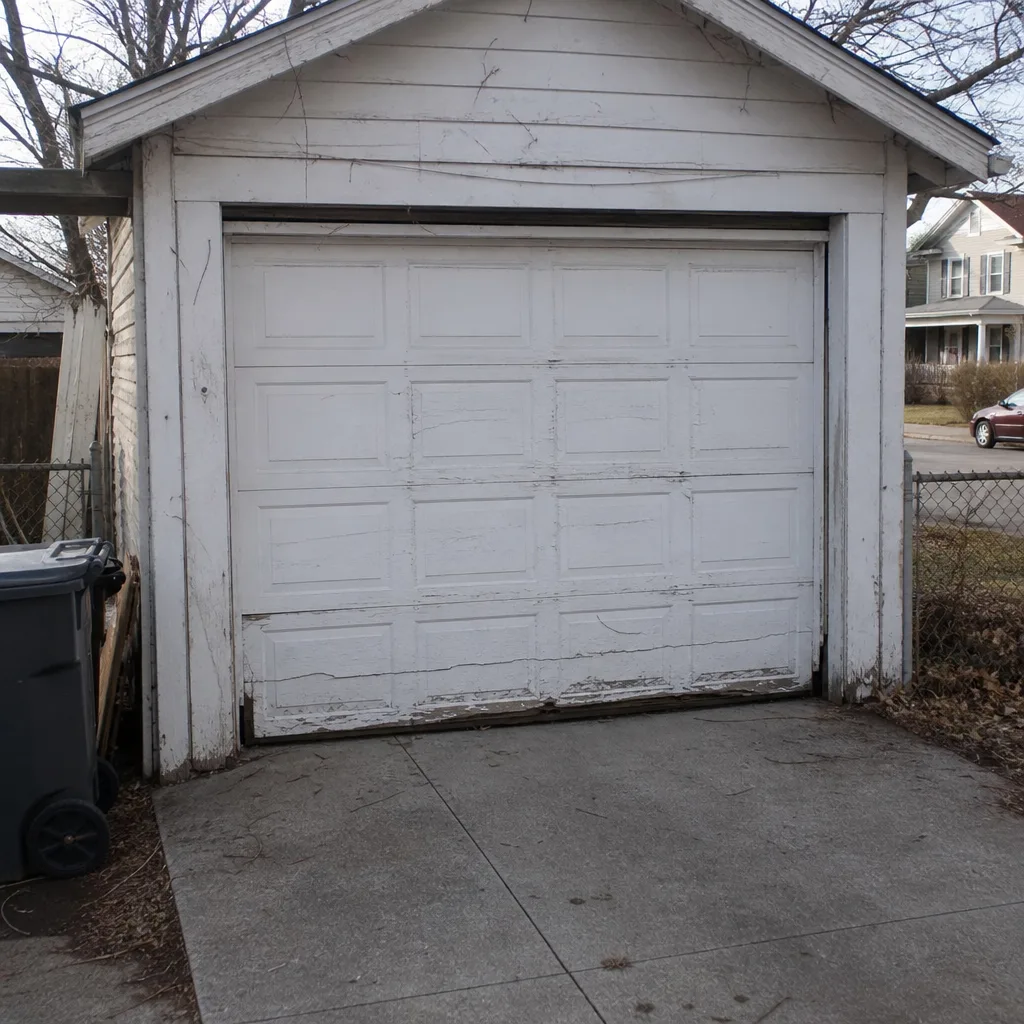 Before
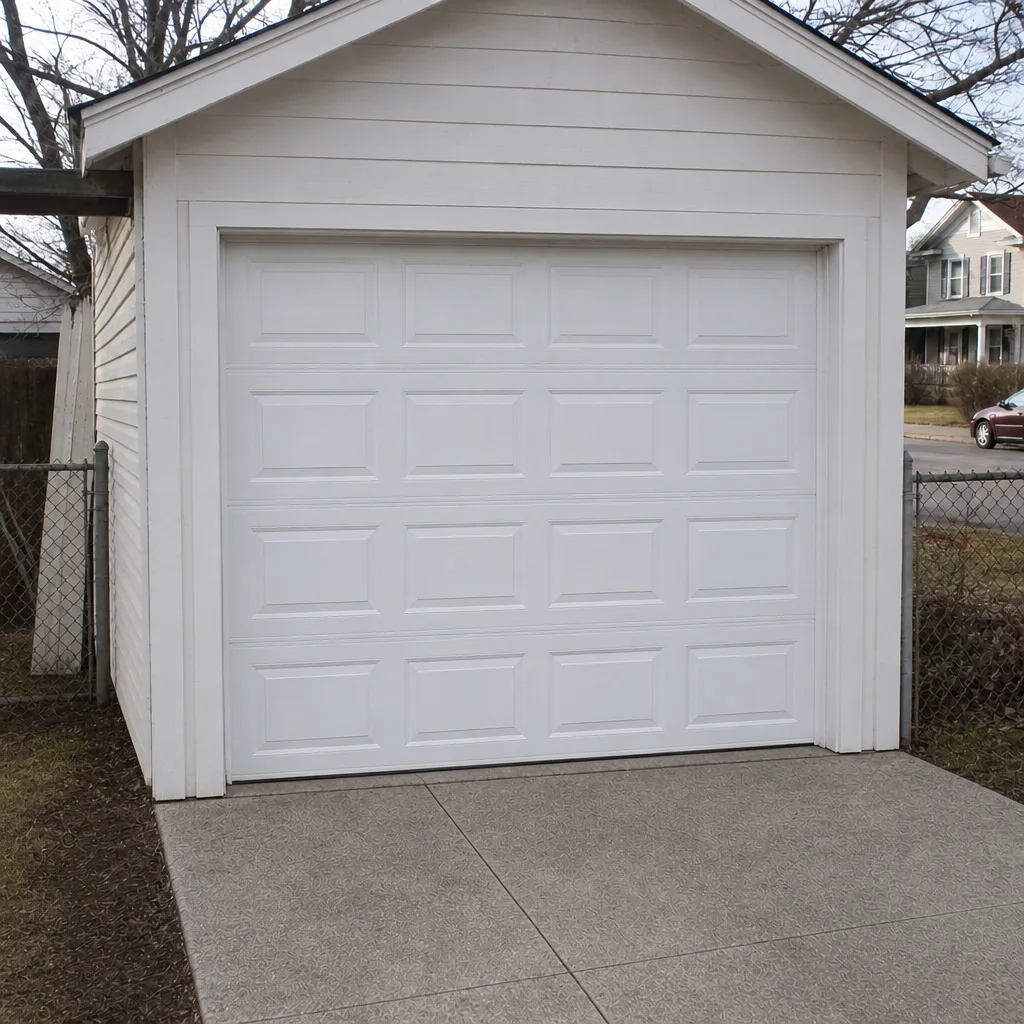 After
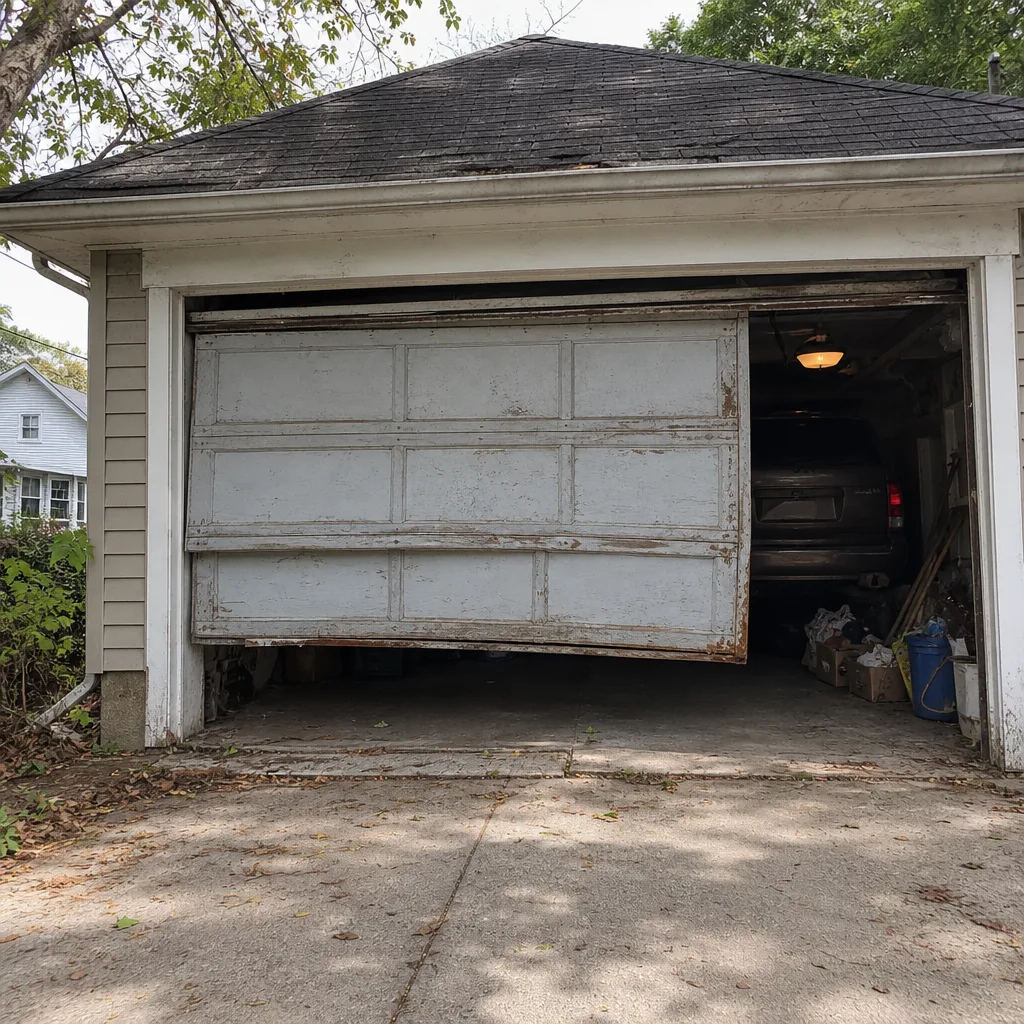 Before
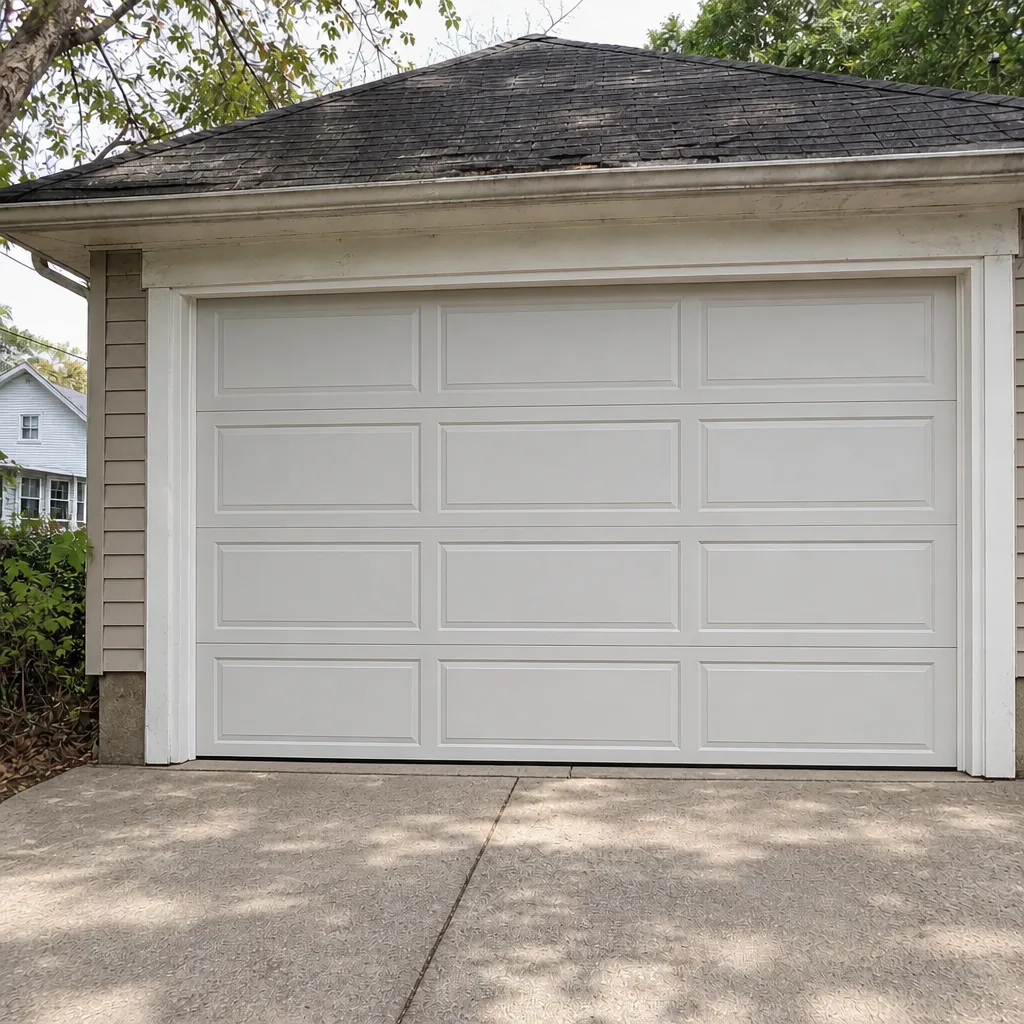 After
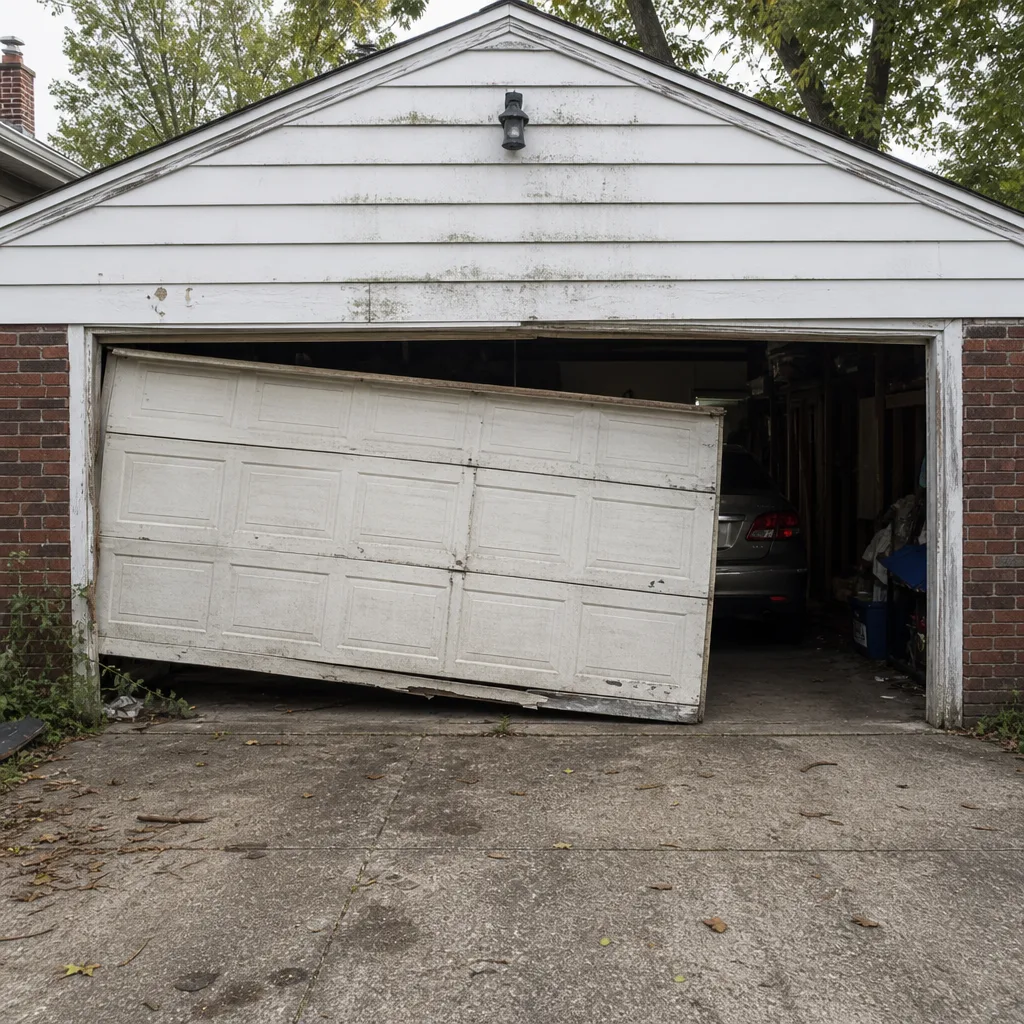 Before
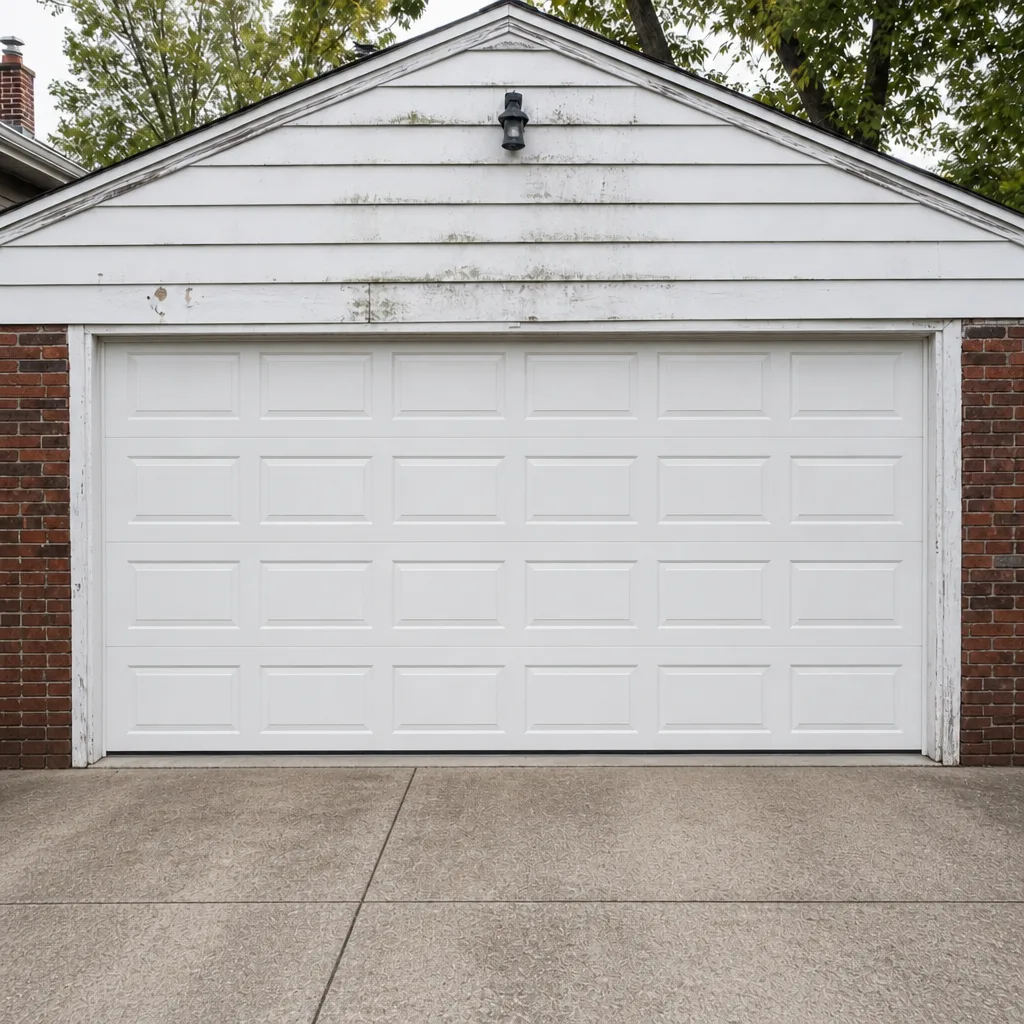 After