
Last updated November 20, 2026
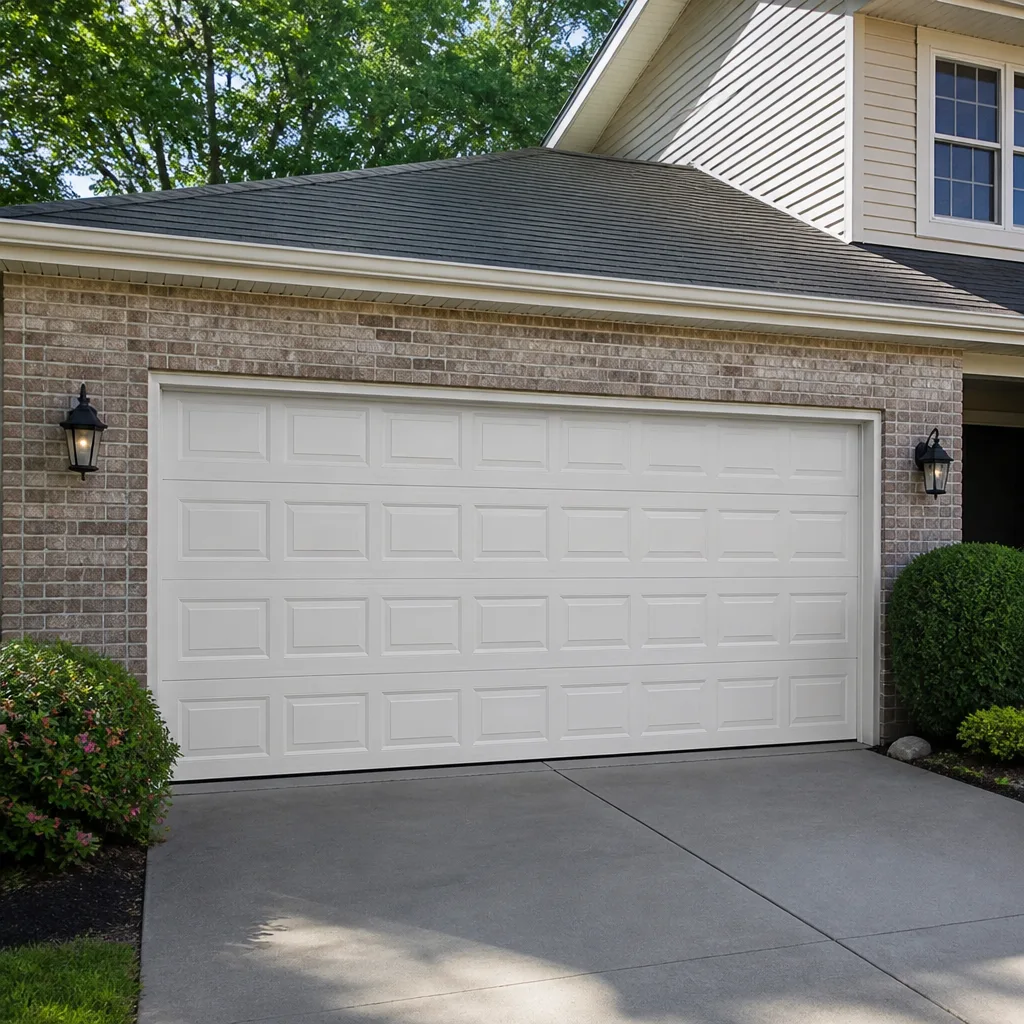 Raised-panel steel
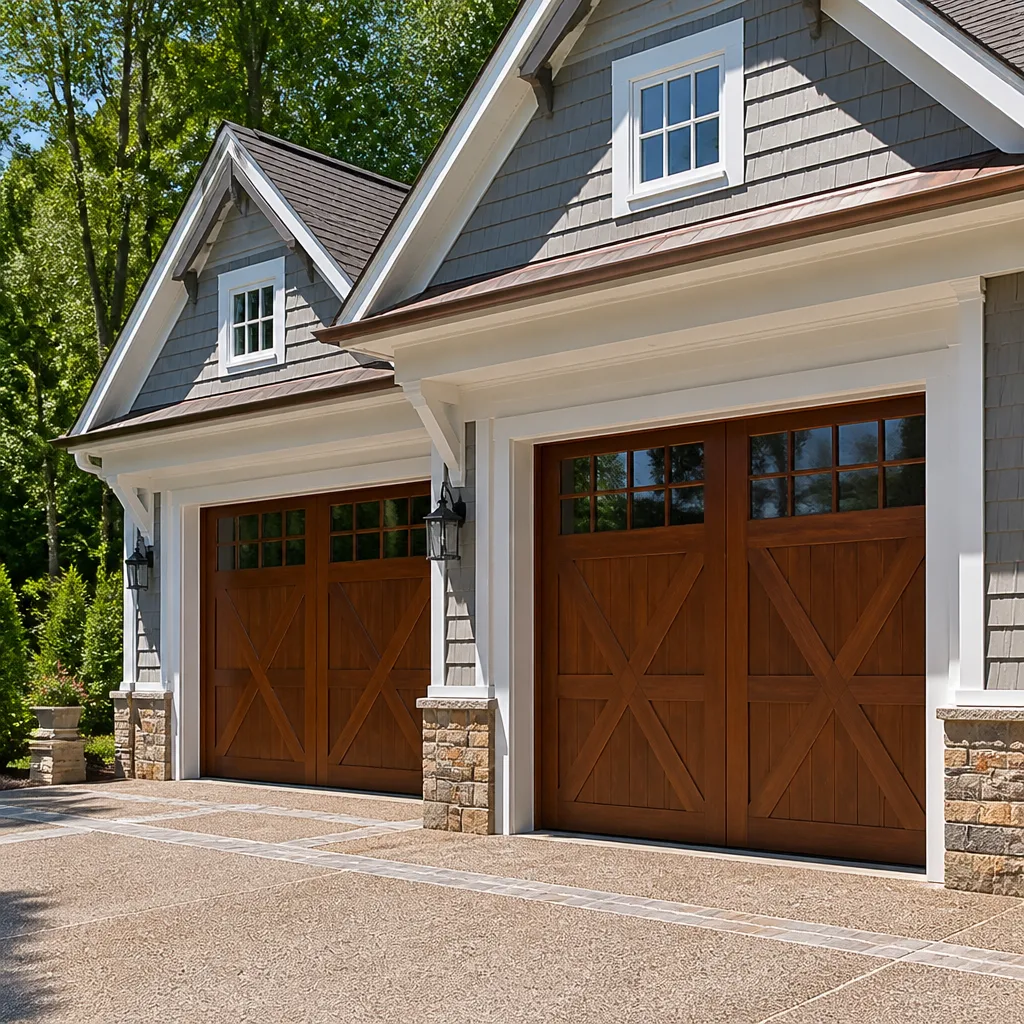 Carriage house
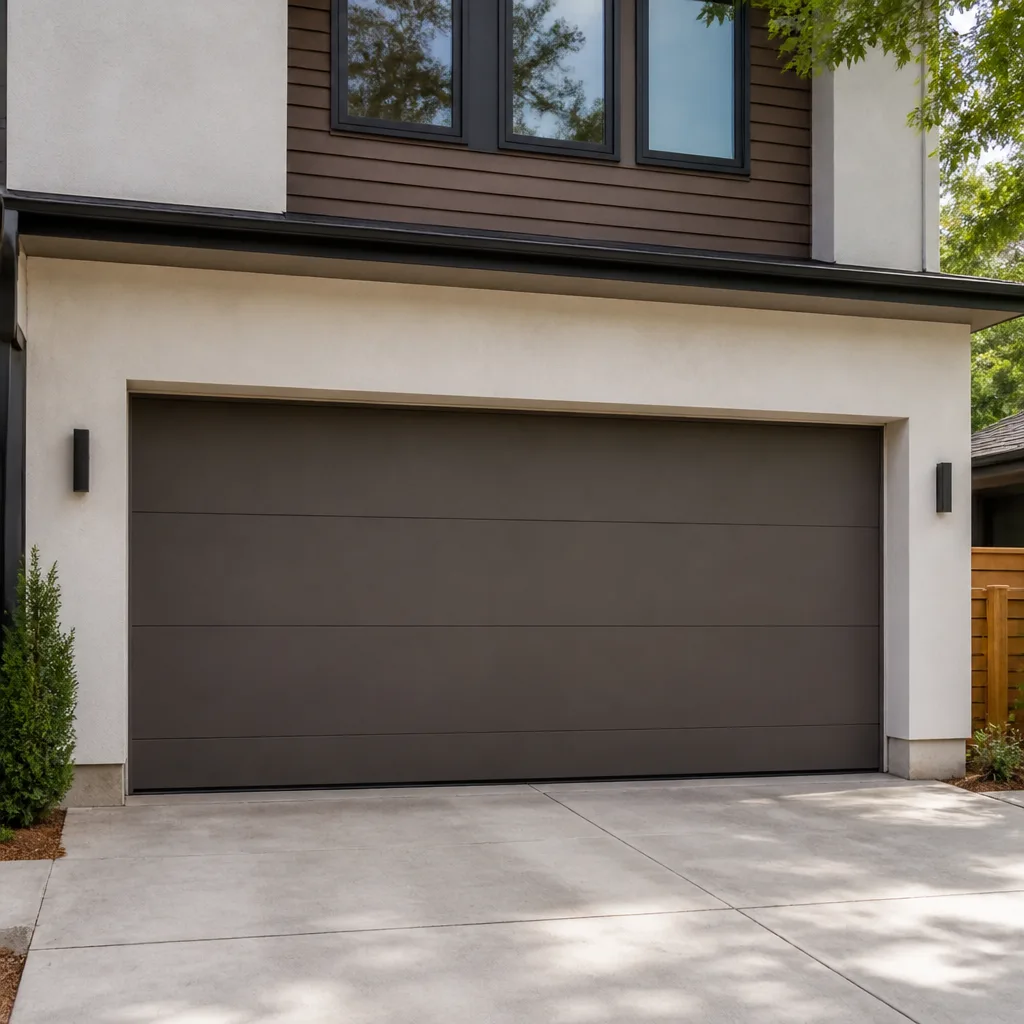 Modern flush
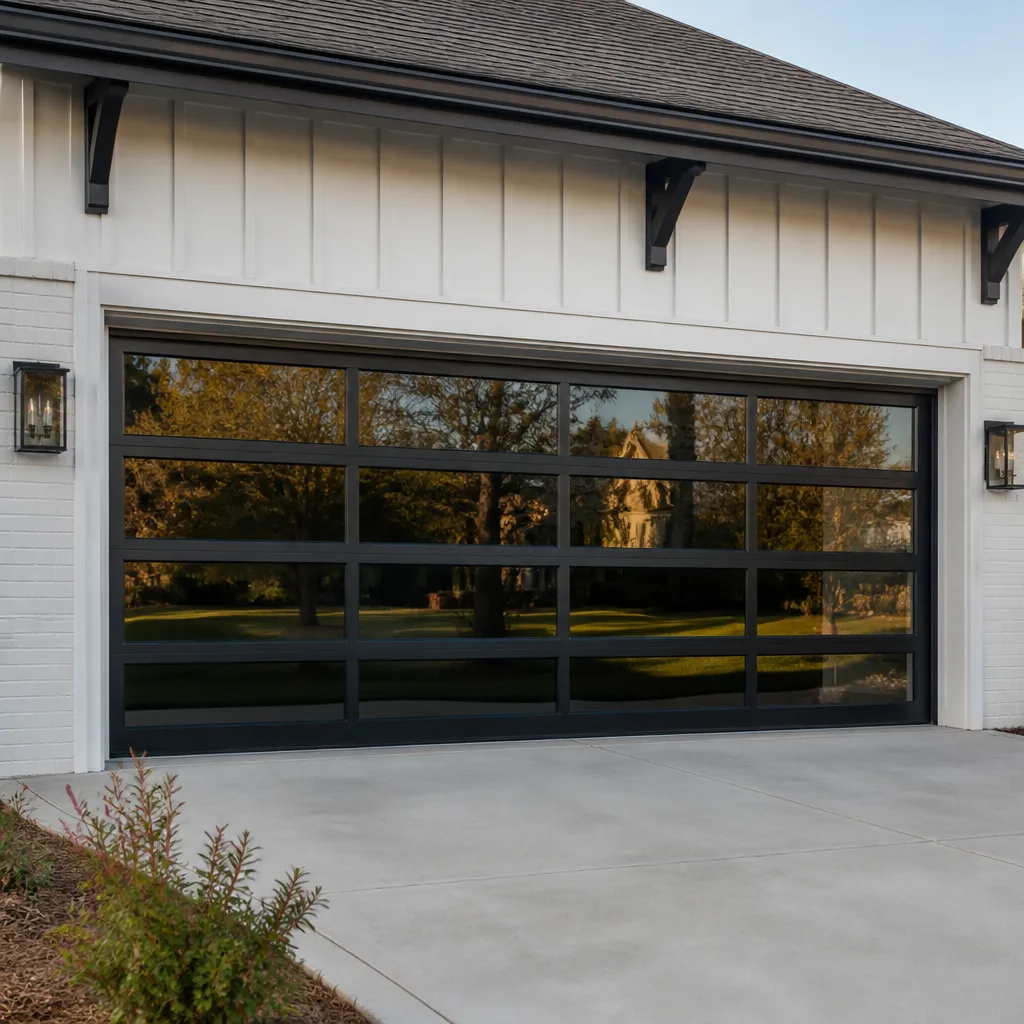 Full-view glass
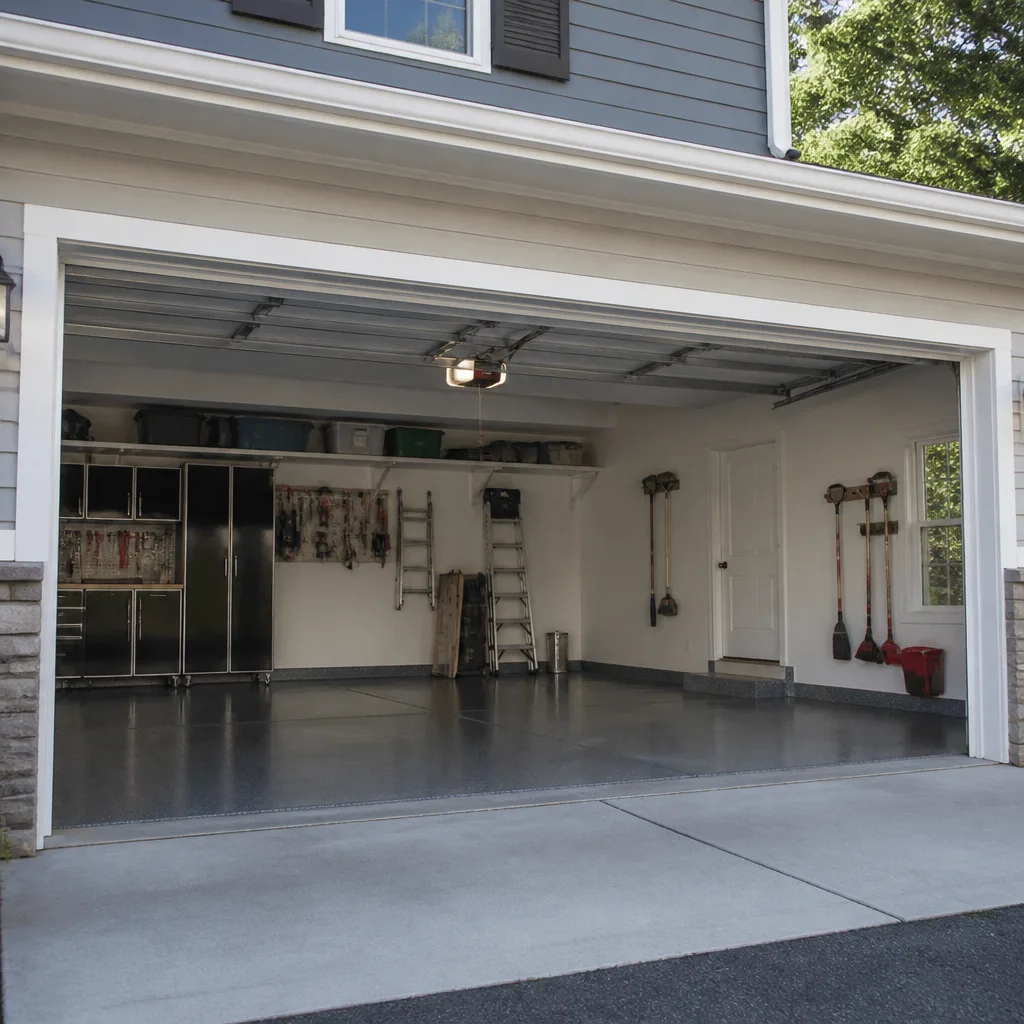 LiftMaster openers
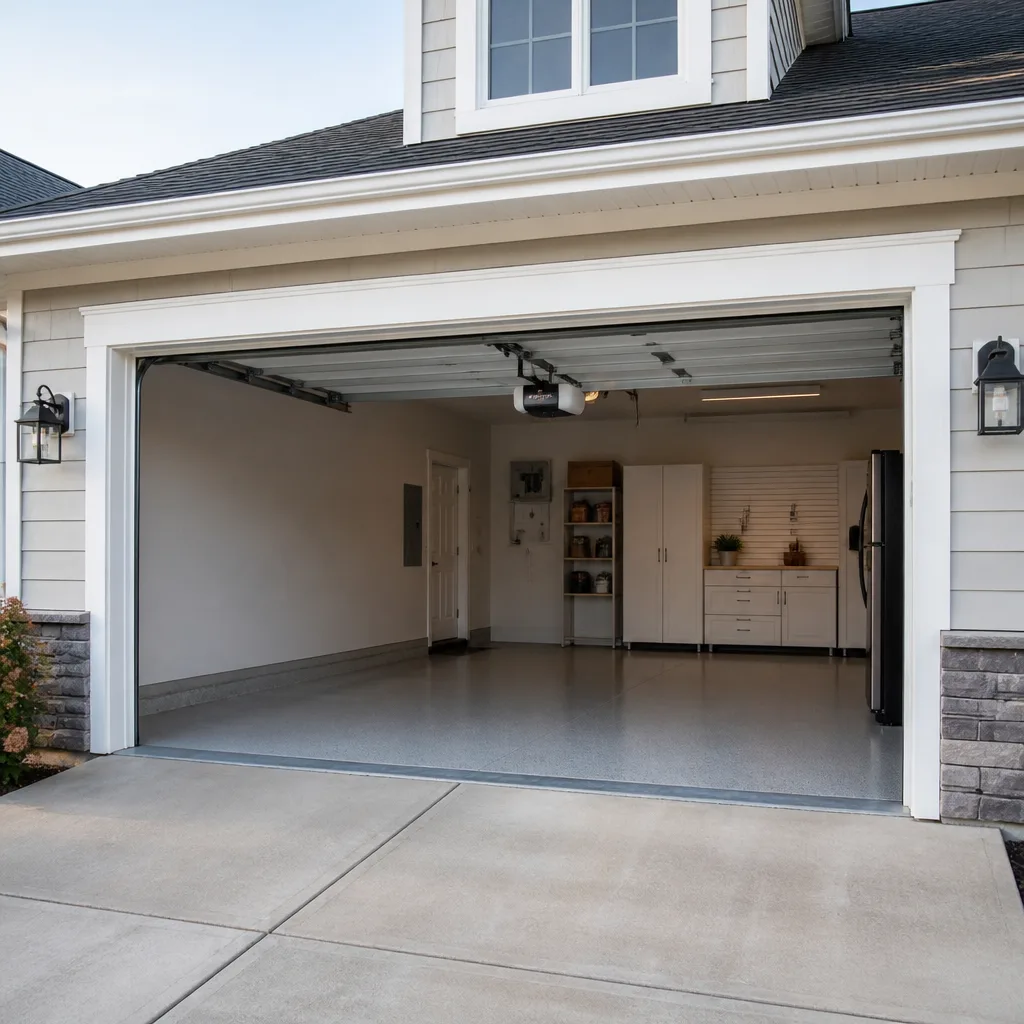 Chamberlain openers
Full 25-point door and opener safety check with every visit - springs, cables, rollers, tracks, and your LiftMaster or Chamberlain opener included
You get a price before we start. It does not change when the pro arrives.
Get your free estimateGarage Door Cost Breakdown: The Broad Ripple Homeowner’s Reference for 2026
Two quotes for the same garage door replacement land on your kitchen table. One says $1,100. The other says $1,900. Most homeowners assume the cheaper one is cutting corners, or the expensive one is padding the bill, and they pick on gut feeling. Sometimes that instinct is right. Sometimes the pricier quote is hiding $400 of upgrades you don’t need, and sometimes the cheaper one leaves out hardware you’ll pay for later. You can only tell the difference when you understand what each line item actually means. That’s what this guide does for Broad Ripple homeowners: it breaks the whole garage door job into parts, prices those parts for 2026, and shows you where the real money goes.
Quick Answer
Garage door work in Broad Ripple in 2026 runs from roughly $95 for a sensor adjustment to about $4,200 for a full custom installation. A standard single-door replacement usually lands between $1,100 and $1,900, spring replacement is one of the smaller line items at $180 to $340 per spring, and opener replacement runs about $350 to $850 depending on horsepower and features. The final price is set by the written estimate you agree to before any work starts, so the numbers here are a map for comparing quotes, not a promise on a receipt.
Styles & brands we work with
- Raised-panel steel
- Carriage house
- Modern flush
- Full-view glass
- LiftMaster openers
- Chamberlain openers
Table of Contents
- What does each part of a garage door job cost in 2026?
- What does “installation” actually include?
- What does cheap, mid-grade, and premium really cost over ten years?
- Which upsells are worth it in Broad Ripple’s climate?
- How do you get a fair quote and spot a vague estimate?
- How do you compare two quotes line by line?
- Common mistakes to avoid
- When to call a professional
What does each part of a garage door job cost in 2026?
The fastest way to understand a garage door bill is to stop looking at the total and start looking at the parts. Every job, from a snapped spring to a brand new door, is really a stack of separate components and a labor charge on top. When you can see the pieces, you can see exactly where a quote is heavy and where it’s fair. Here’s the breakdown we walk homeowners through, with typical 2026 ranges for the Broad Ripple market.
- Door panels by material: Steel (the most common choice) runs about $650 to $1,400 for a single-car door; aluminum is lighter and often a touch higher at $750 to $1,500; wood and wood-composite doors run $1,200 to $2,600 because of the finishing work they need.
- Single vs. double size: A double-car door typically adds 60 to 80 percent to the panel price of the same material, not double, because the hardware is shared across the wider opening.
- Torsion spring replacement: $180 to $340 for one spring. Springs are usually replaced as a matched pair, so a pair costs about twice that.
- Opener by horsepower and tech: A basic chain-drive opener is $350 to $500 installed. A belt-drive unit with Wi-Fi and battery backup runs $550 to $850.
- Track and hardware: New track and rollers add $150 to $350, and a full hardware refresh including hinges and brackets runs $200 to $400.
- Labor, shown separately: $250 to $600 for a standard install, and $95 to $200 for most repair calls.
Add it up and you can see how the same “garage door replacement” job lands at $1,100 or $1,900 depending on material, size, and whether the quote includes new hardware and hauling the old door away. When we put an estimate together for a Broad Ripple homeowner, those components are listed as separate lines, not bundled into one big number.
What does “installation” actually include?
This is where most confusion starts. “Installation” is a word two contractors can use to mean two very different things. A standard install should include a defined set of tasks, and anything past that set is a legitimate extra the quote should say out loud. Here’s what a standard job involves and what should trigger an additional charge.
A standard install usually includes:
- Removing the old door and disposing of it.
- Installing new track, brackets, and torsion hardware.
- Mounting the panels and aligning them so the door seals on all four sides.
- Installing or reconnecting the opener and setting the travel limits and safety sensors.
- Balancing the door and testing the safety reversal feature.
- Cleaning up and walking you through the operation of the new door.
What usually costs extra: a new opener if your existing one isn’t compatible with the new door’s weight, electrical work if there’s no outlet where the opener needs one, structural reframing if the opening is out of square, and permits. Most cities require a permit for certain structural or electrical changes on a garage door project, so ask the city’s building department directly about your specific job rather than trusting a contractor to decide for you.
Broad Ripple’s older homes sometimes have garages that have shifted slightly over the decades, so an opening that’s out of square is a real possibility. That’s not a contractor inventing problems, but it’s also not something to accept without seeing it explained in the quote. A fair install estimate tells you beforehand whether reframing is likely, based on a measure, not a surprise add-on after the door is already off. For the full range of what’s involved in a replacement, our garage door installation page walks through the whole process.
What does cheap, mid-grade, and premium really cost over ten years?
Sticker price is only the first bill. The interesting number is what each grade of door costs you over a decade, factoring in energy performance, how often it needs maintenance, and whether the warranty actually covers the failure you’re likely to have. Here’s how the three tiers compare.
- Cheap (steel, no insulation, basic hardware): Lower up front, but you tend to touch it more often. Steel panels with no insulation transfer heat straight into the garage, so a Broad Ripple garage that’s already warm in July stays that way. Expect more frequent hardware adjustments and a shorter warranty.
- Mid-grade (insulated steel, better hardware): The sweet spot for most homes. You get a sturdier door, quieter operation with better rollers and hinges, and enough insulation to make the garage noticeably more comfortable in summer and winter without paying for a premium finish.
- Premium (wood, insulated double-steel, upgraded opener): Highest initial cost and more upkeep, since wood needs finishing and insulated panels can’t be cheaply patched. Longest expected life only if you keep up with maintenance.
Our practical view: over ten years, mid-grade usually comes out ahead in Broad Ripple because it avoids both the repeat repairs of the bottom tier and the ongoing finishing work of the top tier. The energy savings from insulation aren’t the whole story, either. A quieter, better-balanced door puts less strain on the opener, which means you’re less likely to be replacing that too. If a cheap door and a cheap opener both fail early, the money you “saved” goes right back out. That’s why we look at the door and the opener together rather than pricing the door in isolation.
Which upsells are worth it in Broad Ripple’s climate?
Not every upgrade on the menu is a sales trick, and not every one pays for itself. The trick is separating the features that genuinely help in a central Indiana climate from the ones that just raise the number. Here’s how we’d weigh the most common add-ons.
- Wi-Fi opener (worth it if you’ll use it): A LiftMaster or Chamberlain unit with Wi-Fi lets you check and close the door from your phone. If you’re the type to worry whether you left the garage open, it’s a real convenience. If you never open the app, it’s just cost.
- Battery backup (genuinely useful here): Central Indiana gets strong summer storms, and a garage you can’t open during a power outage is a hassle, especially if the garage is your main entry. Worth considering.
- Insulation upgrade (worth it for attached garages): If your garage shares a wall with the house, insulation helps keep the living space comfortable and cuts some heat gain. If it’s a detached garage, the benefit is mostly comfort while you’re in it, not the house.
- Extended warranty (read the term first): Some extended plans only cover a narrow set of failures. Make sure the parts most likely to wear, springs and openers, are actually covered before you pay for extra coverage.
One upgrade that’s often pitched as optional is actually a safety feature: safety sensors that stop the door on contact are not something to skip or disable. In our experience, the upsells worth taking are the ones with a clear job. Battery backup and proper sensors protect you in real situations. A premium opener’s extra horsepower is only worth it if your door is heavy or double-width.
How do you get a fair quote and spot a vague estimate?
A fair garage door quote is specific and line-by-line. It tells you what’s being replaced, what each part costs, what labor covers, and how the deposit works. A vague one lumps everything into a single “all-in” number with no detail, and that’s exactly the kind of quote you can’t compare to anything else. Here’s what a solid estimate looks like.
What should always appear as separate line items:
- The door model, material, and size, not just “a new door.”
- Parts listed by name: springs, track, rollers, opener.
- Labor as its own line, separate from parts.
- Haul-away of the old door.
- Any permit cost called out, not hidden.
Red flags in a vague estimate: a single lump sum with no breakdown; a price that drops dramatically when you push back (which tells you the first number was soft); a range given over the phone without anyone seeing the door; a demand for full payment up front; and a refusal to put the price in writing before starting. A reasonable deposit structure ties a modest deposit to materials or scheduling, with the balance due after the work is done and you’ve seen it operate. The written estimate is the price. It’s agreed before anyone touches the door, so you’re not guessing when the invoice shows up.
For repair jobs, the same rules apply in miniature. A sensor adjustment is a small, quick fix, and it should be quoted as one. A spring repair should price one spring, with the pair made explicit if both are being replaced. If you’re weighing a repair against a replacement, our garage door repair page covers that decision in detail.
How do you compare two quotes line by line?
When you have two estimates for the same job, lay them side by side and match every line. The comparison takes about ten minutes and saves you real money. Here’s the method.
- Match the door. Confirm both quotes specify the same material, size, insulation, and style. A cheaper quote for a thinner door isn’t cheaper.
- Check the hardware. Does each include new track, rollers, and torsion springs, or is one reusing the old parts?
- Confirm the opener. Is a new opener included, or is it being reused? If reused, is it compatible with the new door’s weight?
- Look at haul-away and permit lines. One quote that includes them and one that doesn’t aren’t the same job.
- Compare labor directly. Is labor its own line, or buried in the total?
- Read the warranty. What’s covered, for how long, and who honors it?
If the pricier quote wins on every line, it’s probably the better job. If it’s higher only because of upgrades you don’t want, ask for those removed. If the cheaper quote is missing hardware you’ll eventually pay for, it isn’t really cheaper. The goal isn’t the lowest number on the page. It’s the quote that lists the same work and prices it honestly. If you’re dealing with an opener that’s failed rather than a door, our garage door opener repair page shows the same line-item thinking applied to openers.
Common Mistakes to Avoid
- Choosing a quote on the total alone. The total is the least useful number in the estimate. Compare the components, or you’ll accept a cheaper price for a cheaper job without realizing it.
- Assuming spring replacement is always a single spring. Springs usually fail as a matched pair, so a quote for one spring and a quote for a pair are not the same even when they look different. Make sure the quote names the count.
- Skipping a measure before bidding. Broad Ripple’s older homes can have garage openings that are out of square. A quote given over the phone without a measure is a guess, and guesses turn into change orders.
- Accepting a lump-sum estimate with no line items. If you can’t see the parts, labor, and permit separately, you can’t tell whether the price is fair or padded. Ask for the breakdown before you sign.
- Paying in full before the work starts. A reasonable deposit is fine, but full payment up front leaves you with very little leverage if something goes wrong. The balance is due after you’ve seen the door operate.
- Disabling safety sensors to stop a flashing light. A sensor that stops the door on contact is a safety feature. If it’s misbehaving, get it corrected rather than bypassed; this is a job for a trained professional.
- Buying upgrades you’ll never use. A Wi-Fi opener you never connect and an extended warranty that doesn’t cover springs are money that never comes back. Buy the features that do a job in your climate.
When to Call a Professional
Some garage door work is safely within reach of a careful homeowner: replacing a worn roller or wiping down the tracks. The jobs that involve the torsion spring, the high-tension cables, the electrical connection to the opener, and any out-of-square reframing are a different matter. Those components store enormous energy or carry live current, and getting them wrong can cause serious injury. That’s not a place for trial and error.
Call a professional when a spring has snapped, when the door drops under its own weight, when the opener runs but the door doesn’t move, when the door comes off its track, and whenever you’re planning a full replacement or a new opener. These are exactly the situations where a trained technician’s measurement and diagnosis save you money later. Our technicians have up to 9 years of experience with springs, openers, panels, and parts, and we work on the brand you already own, whether that’s a Genie opener from years back or a newer Clopay door. Garage Door Repair Broad Ripple offers free estimates in Broad Ripple, and we’ll put the price in writing before any work starts. Call (833) 968-9838.
Frequently Asked Questions
A garage door replacement in Broad Ripple typically runs about $1,100 to $1,900 installed for a standard single door, with the final figure depending on material, size, and whether new hardware and an opener are included. Steel is the lower end, wood and custom finishes are the higher end, and a double-car door adds roughly 60 to 80 percent to the panel price. Call (833) 968-9838 for an exact quote. Estimates are free.
Repair is usually cheaper when the door structure is sound and only a part has failed, such as a spring or a roller. Replacement makes more sense when the panels are damaged across the door, the frame is out of square, or repairs would cost a significant share of a new door. A technician can measure and tell you which side of that line your door is on.
The biggest reason is the count. Springs are usually replaced as a matched pair, so a quote for one spring and a quote for two are not comparable. A pair costs about twice the price of one spring, and a single spring is typical $180 to $340. Ask every company to name the number of springs on the quote before you compare totals. Call (833) 968-9838 for a written estimate that spells it out.
No. The written estimate sets the price, and it’s agreed before any work starts. If we find something during the visit that wasn’t visible earlier, such as an out-of-square opening, we tell you and get your agreement before doing the extra work rather than surprising you with a higher invoice. That’s why a measure comes before the quote.
The local professionals we connect you with are licensed and insured as their state requires. Our technicians have up to 9 years of experience with springs, openers, panels, and hardware, and garage doors are all we do. You’ll see the specific parts and labor itemized on the estimate, not a single lump sum. Call (833) 968-9838 to book a free estimate.
We work on the brand you already own, and our technicians handle eight of the most widely installed names in North America, including LiftMaster, Chamberlain, Genie, Clopay, Amarr, Wayne Dalton, Craftsman, and Raynor. That means you don’t have to replace a working opener just because it’s not the brand a contractor prefers to sell. If you have the model number handy, mention it when you call (833) 968-9838.
A reasonable deposit is modest and tied to materials or scheduling, with the balance due after the work is done and you’ve operated the new door yourself. Full payment up front is a red flag. Make sure the estimate lists what the deposit covers and when the balance is due before you commit. For help reading a quote, call (833) 968-9838.
It depends on the scope of the work. Electrical changes, structural reframing, and some alterations typically require a permit, while a like-for-like door swap may not. Rather than rely on a contractor’s word, call the city’s building department and describe your specific job so you get the answer for your address. A fair estimate will call out any permit cost separately if one applies.
The Bottom Line
The garage door market in Broad Ripple spans a wide range because it bundles five very different jobs: door panels, springs, openers, hardware, and labor, each with its own price. The homeowner who understands those pieces can compare two quotes accurately and tell when a higher number is real work and when it’s an unnecessary upgrade. Stick to the line items, confirm the spring count, check what installation includes, weigh upsells against your climate, and insist on a written estimate before work starts. Our technicians have up to 9 years of experience and garage doors are all we do, from a snapped spring to full installation. Call (833) 968-9838 for a free estimate. We answer 24/7. Fast dispatch from 7am to 7pm, Sunday through Friday. You can also start with our Garage Door Repair Broad Ripple page to see how we handle the full range of jobs.
Written by the team at Garage Door Repair Broad Ripple.
See the difference
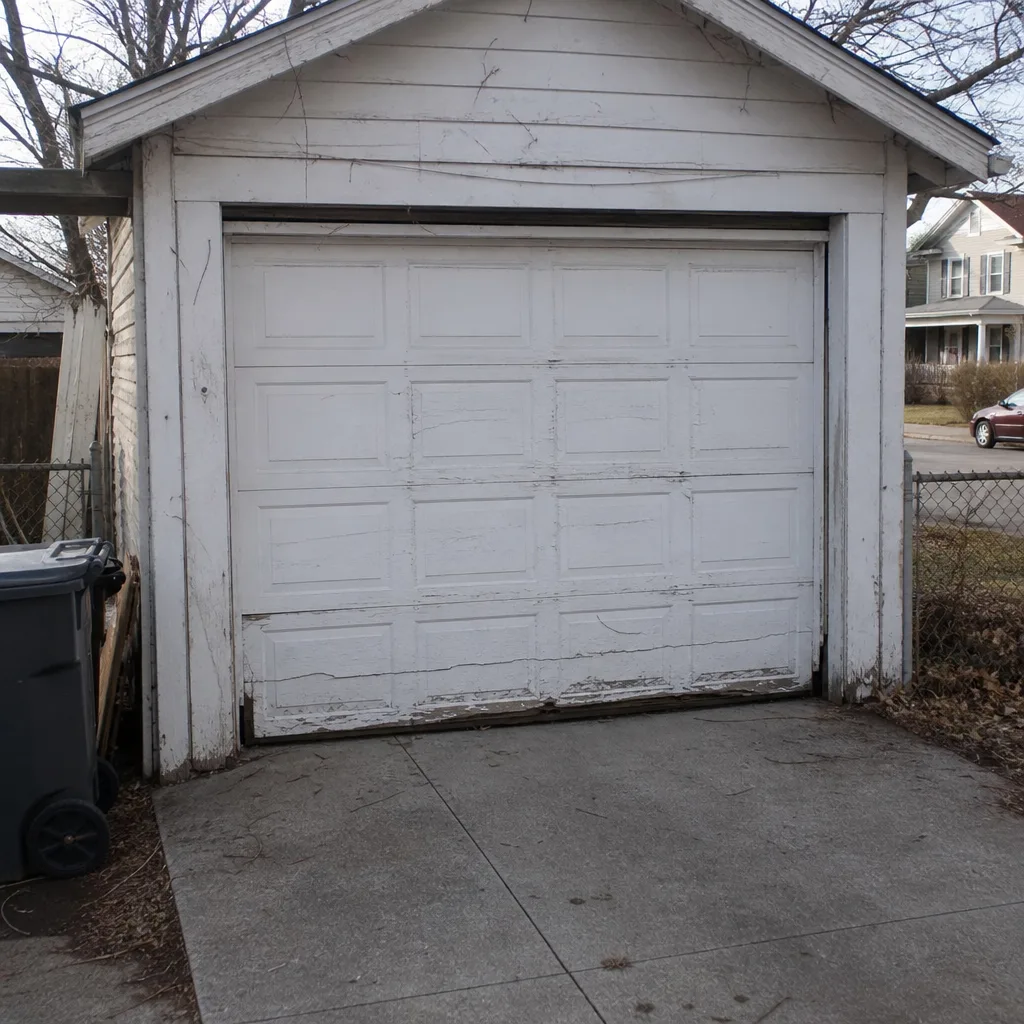 Before
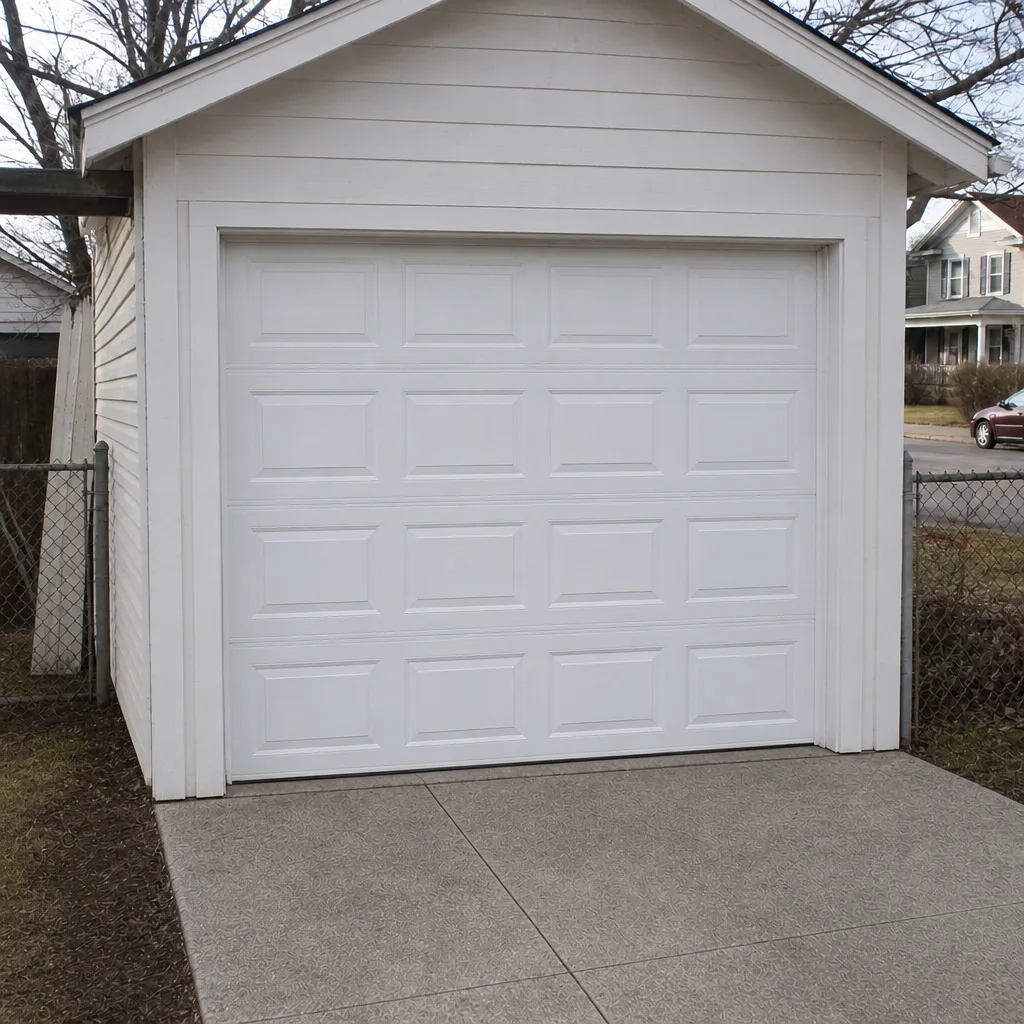 After
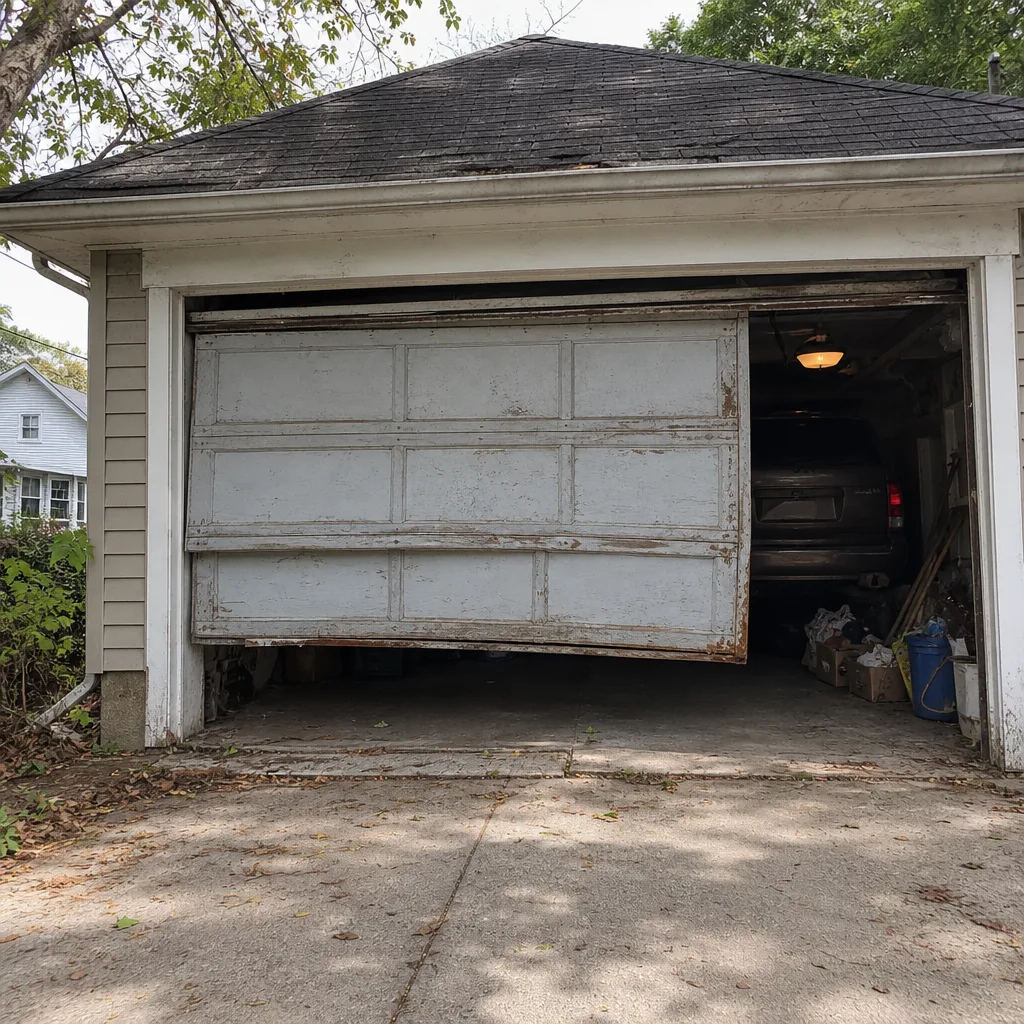 Before
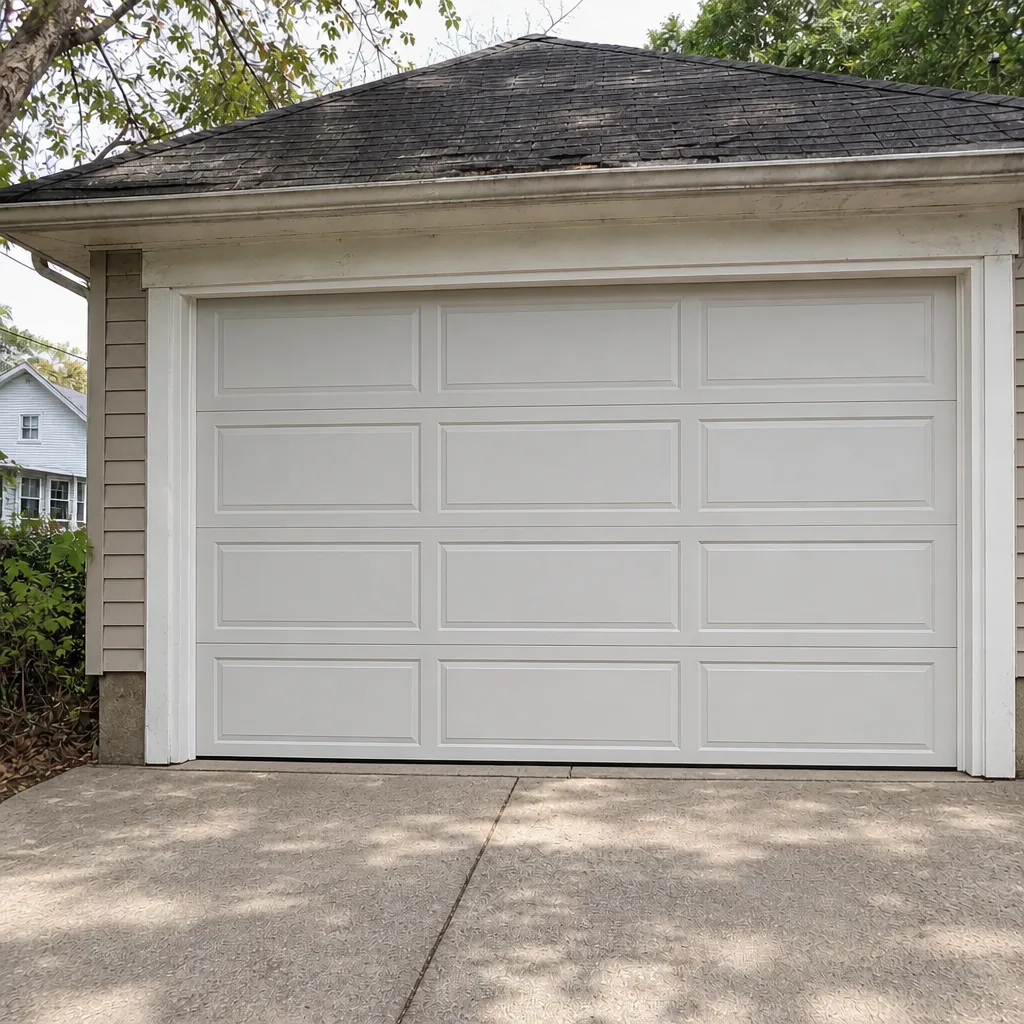 After
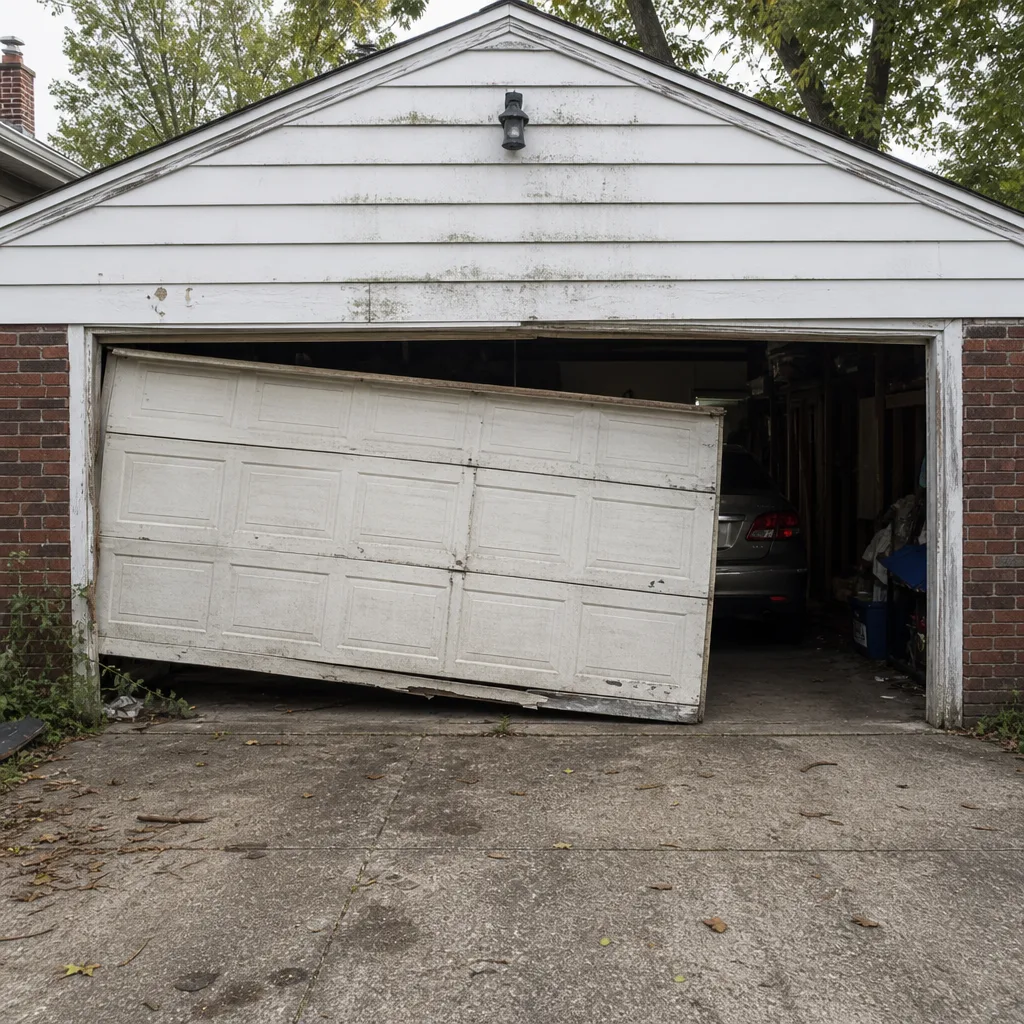 Before
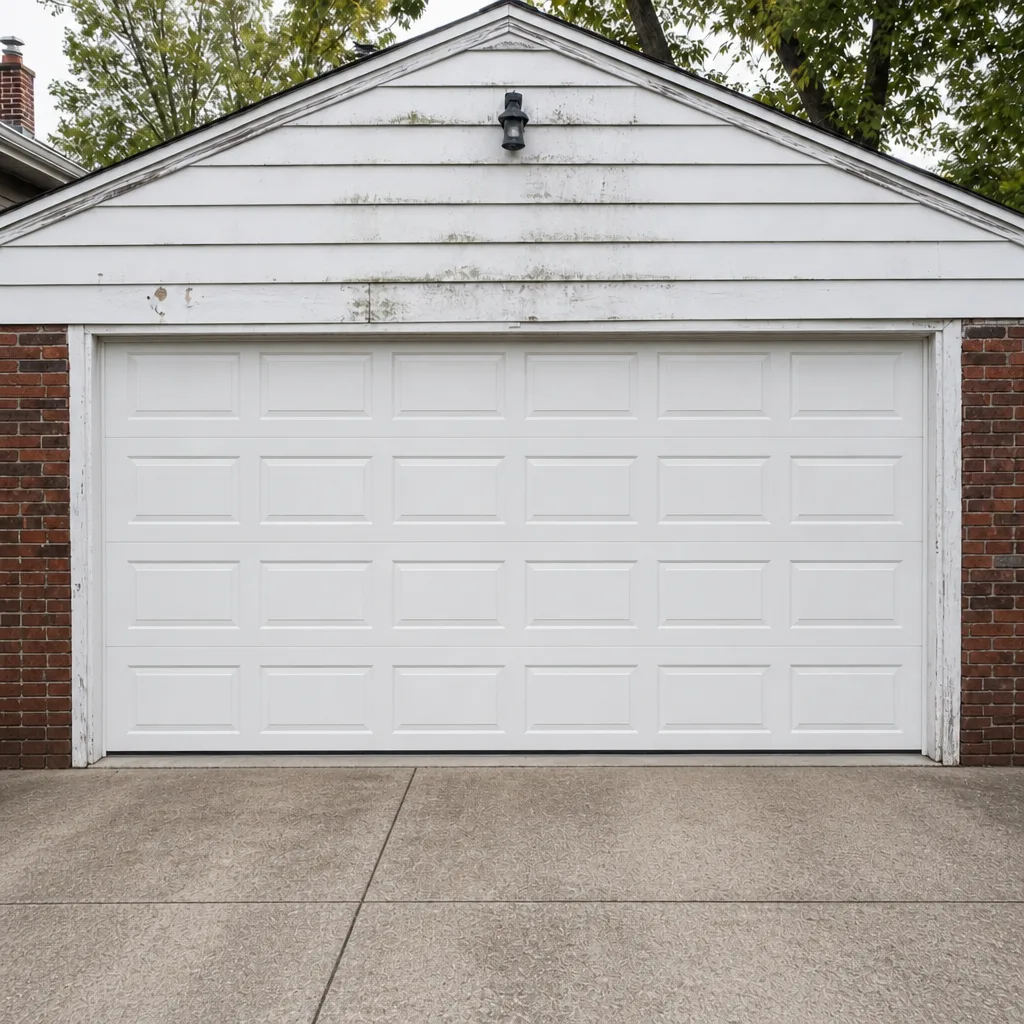 After