
Last updated November 20, 2026
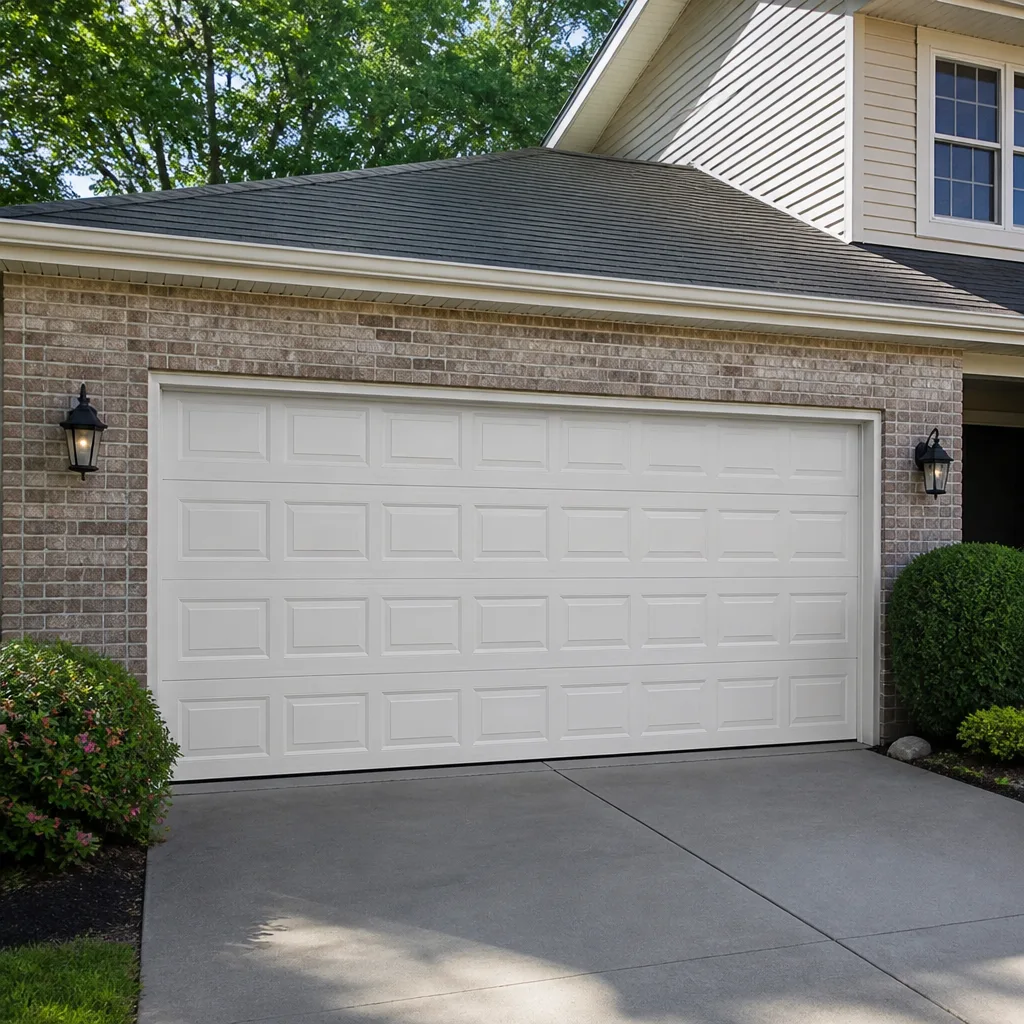 Raised-panel steel
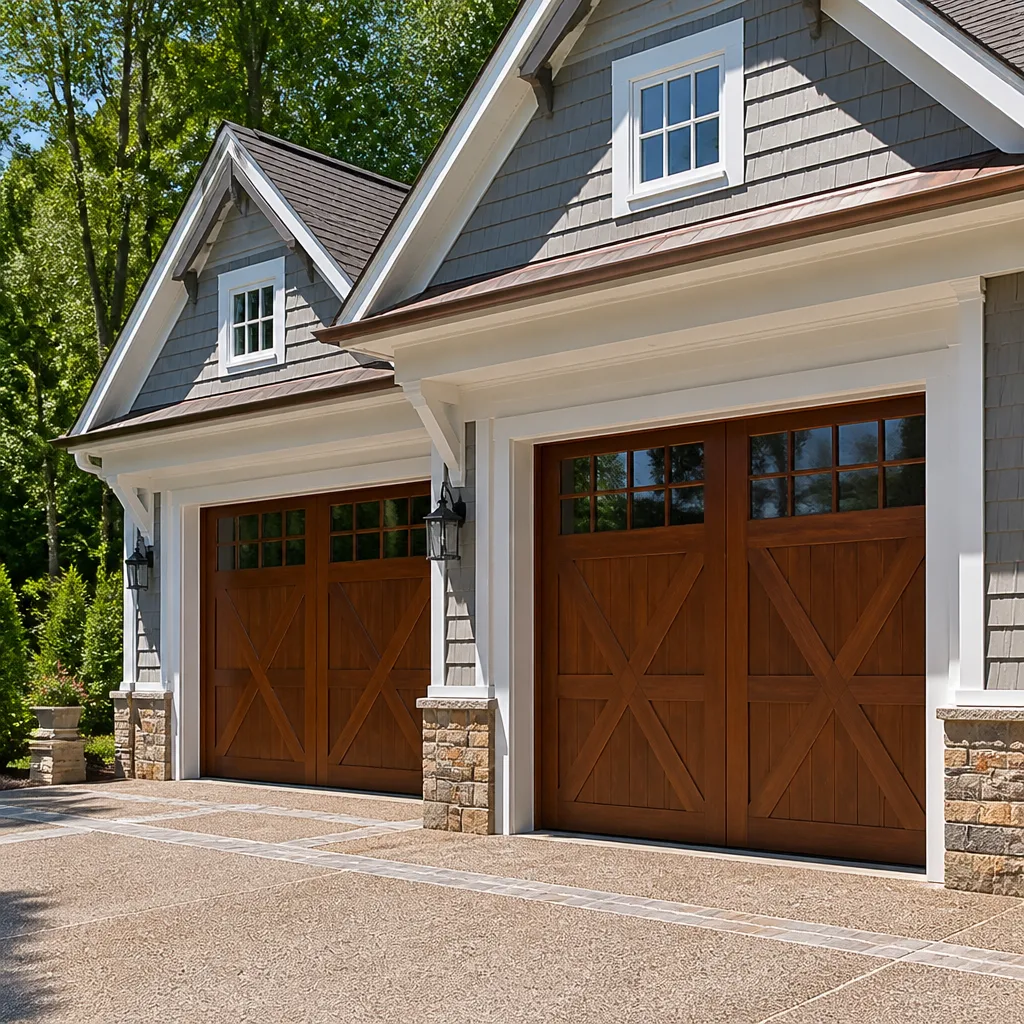 Carriage house
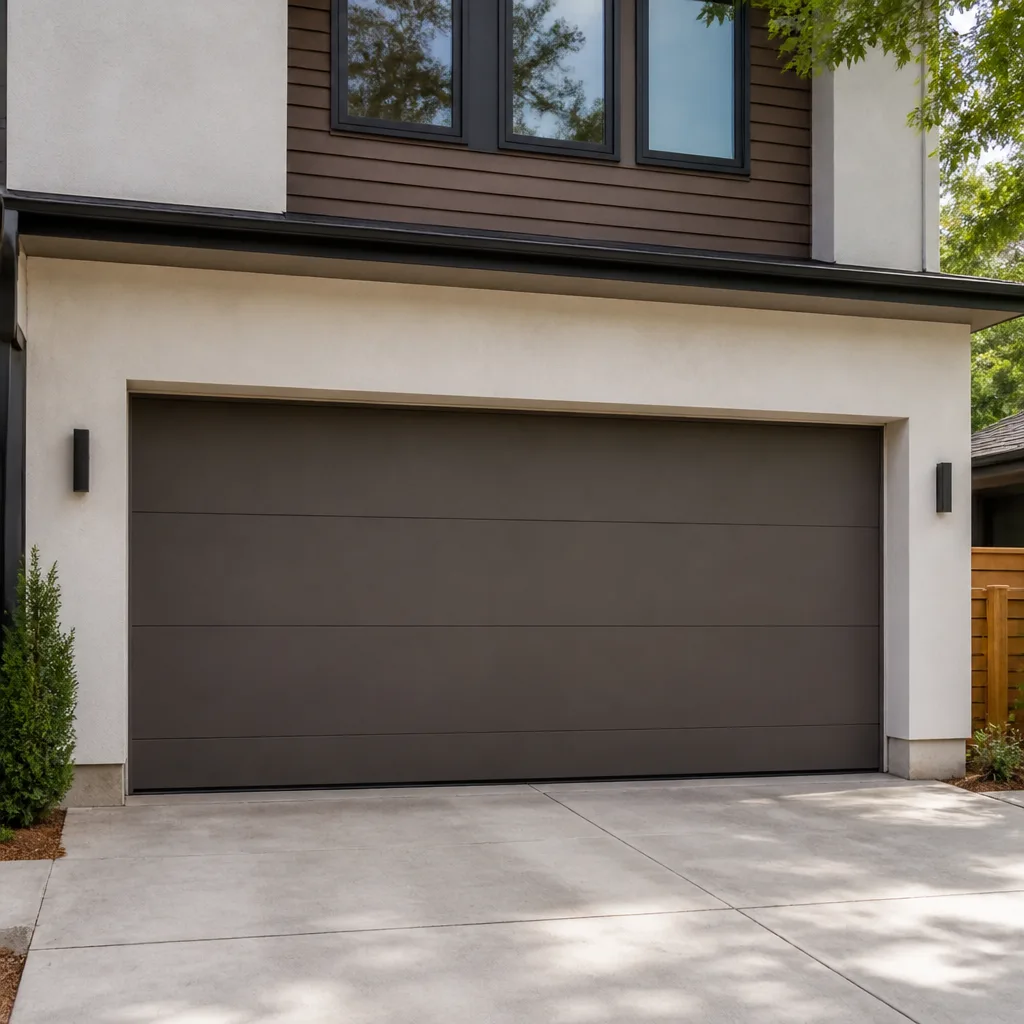 Modern flush
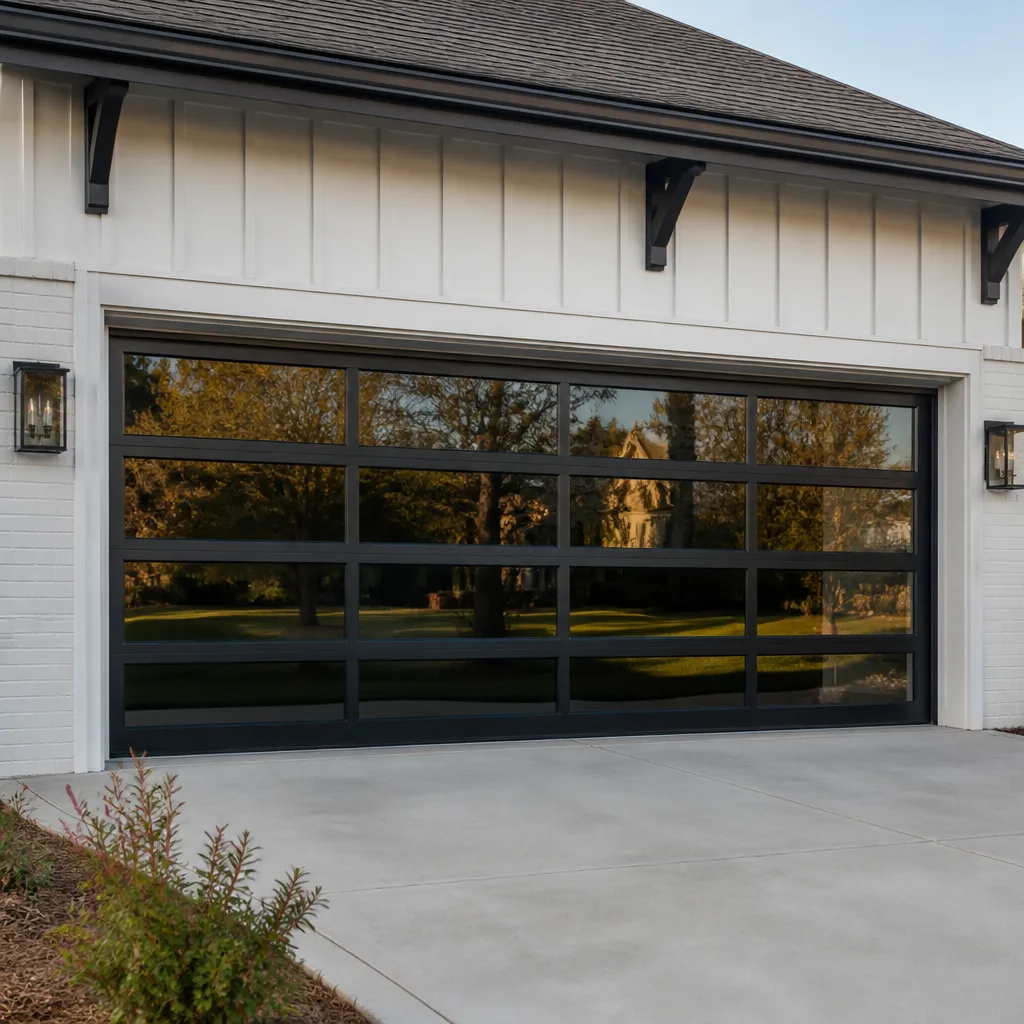 Full-view glass
 LiftMaster openers
 Chamberlain openers
Full 25-point door and opener safety check with every visit - springs, cables, rollers, tracks, and your LiftMaster or Chamberlain opener included
You get a price before we start. It does not change when the pro arrives.
Get your free estimateGarage Door Permits, Codes & Inspections in Broad Ripple, IN: What You Need to Know
Most garage door work in Broad Ripple needs no permit at all. That surprises people. The surprise usually runs the other way for homeowners who assume a simple swap needs paperwork. Marion County draws a sharp line between replacing a door with a like-for-like unit and changing the opening, the structure or the wiring. Cross that line without a permit and the trouble tends to surface years later, at a home inspection or a closing table, when a buyer’s lender asks for documentation nobody has. This guide walks through where that line sits, how the Indiana Residential Code touches garage door work, what a Broad Ripple inspector actually looks at, and how to check permit history before you buy or sell.
Quick Answer
In Marion County, replacing a garage door with a same-size unit of the same type generally does not require a permit. Structural changes do: widening or heightening the opening, cutting into the header, adding a new door opening, or converting a garage door to a different configuration all require a permit and an inspection. Adding a new electrical circuit for an opener also requires an electrical permit. When in doubt, call the City of Indianapolis Department of Business and Neighborhood Services before you book the work.
Styles & brands we work with
- Raised-panel steel
- Carriage house
- Modern flush
- Full-view glass
- LiftMaster openers
- Chamberlain openers
Table of Contents
- When a Permit Is Required in Marion County
- How the Indiana Residential Code Applies to Garage Doors
- What “Rough Opening Modification” Means in Permit Terms
- New Openers and the Electrical Permit Question
- How to Check Permit History Before You Buy
- The Inspection Process: What Actually Happens
- What Happens If the Work Doesn’t Pass
- Broad Ripple Specifics: Older Garages and Tighter Lots
When a Permit Is Required in Marion County
The rule of thumb we give Broad Ripple homeowners is simple: if the opening stays exactly the same size and the door goes back in the same place with the same operating type, you’re usually in replacement territory. If anything about the opening, the framing or the electrical changes, you’re in permit territory.
Here’s how the split breaks down in practice:
- No permit typically required: a like-for-like replacement of a single-car sectional door with a same-size door; swapping a broken torsion spring; replacing rollers, cables, hinges or panels; replacing an opener with a unit of the same type on the existing circuit.
- Permit typically required: widening a single opening to a double; raising the header height; adding a new door opening to a garage wall; converting a solid wall into a garage door opening; any change that alters the load path of the header or the wall framing.
- Electrical permit typically required: running a new circuit to power a new opener where none existed; adding outlets or lighting inside the garage as part of the door project.
Two things make this murkier than it should be. First, the county’s rules are written in building-code language, not plain English, so reading the ordinance doesn’t always settle the question. Second, some contractors will tell a homeowner “you don’t need a permit” because pulling one adds time to the job. That’s not a favor. It’s shifting risk onto the homeowner, who’s the one a buyer’s inspector will flag later. If you’re planning structural work, start with the city’s permit desk. If you’re planning a straight replacement, a specialty company can usually confirm the scope in a phone call.
How the Indiana Residential Code Applies to Garage Doors
Indiana adopts the International Residential Code statewide, and Marion County enforces it locally. Three parts of that code touch garage door work most often, and each one matters to Broad Ripple homeowners in a different way.
Fire separation between the garage and the house
An attached garage has to be separated from the living space by a fire-rated assembly. The wall between the garage and the house, and often the ceiling if there’s living space above, must be protected. In practical terms, that means:
- The door between the garage and the house is typically required to be a solid wood or solid-core door with a self-closing mechanism.
- Drywall on the shared wall must be intact. A hole cut to run wiring or mount something needs to be patched.
- If you’re doing a renovation that touches the garage wall, the inspector will look at fire separation even if the garage door itself is out of scope.
This catches Broad Ripple homeowners during remodels more than door replacements. But if your project involves any framing on the shared wall, plan for an inspection.
Auto-reverse and safety features
Residential garage door openers are required to have an automatic reverse function and a photoelectric sensor system that stops and reverses a closing door when something breaks the beam. This isn’t just an install-time rule; an opener that’s missing a sensor or has one disabled is out of compliance. Older openers in Broad Ripple garages sometimes have the sensors removed because they were “always getting bumped.” That’s a fixable problem, and worth addressing before a home inspector finds it.
Insulation and energy provisions
Insulated garage doors matter more when the garage is inside the thermal envelope or the door separates conditioned from unconditioned space. In a typical Broad Ripple detached or attached garage where the door isn’t a thermal boundary, insulation is a comfort and noise choice, not a code requirement. Know which category your garage falls into before you let a salesperson talk you into an insulated door on code grounds. Ask the city’s building department to confirm what applies on your property.
What “Rough Opening Modification” Means in Permit Terms
The rough opening is the framed hole in the wall that the garage door sits inside. It’s the space between the jack studs, above the header, and below the sill. When plans say “rough opening modification,” they mean the framing itself is being changed, and that’s the trigger word in the permit process.
A sizing change of even a few inches can be structural. Here’s why the process works the way it does:
- The header gets reviewed. The horizontal beam above the opening carries roof and wall loads. Widening the opening shortens the header’s bearing and increases the span. An inspector and plans reviewer need to see the new header sized to carry those loads.
- The wall framing gets reviewed. Jack studs and king studs at the sides of the opening transfer load down to the foundation. Changing their arrangement changes that path.
- The exterior finish gets reviewed. Siding, brick veneer and trim around the new opening need to be detailed so water doesn’t find its way in.
- The permit scope is set. The permit will describe the new opening size, the header, the framing changes and the electric if the opener circuit is new.
That’s why widening a single door to a double is never just a door purchase. It’s a structural project with a door attached to it. We’ve seen Broad Ripple homeowners get a door quote and a permit surprise in the same week because the door company quoted the door and the framing contractor quoted the framing, but nobody quoted the permit review timeline. Ask directly before you sign: “Who pulls the permit, and what’s the timeline?”
New Openers and the Electrical Permit Question
Most opener replacements don’t trigger an electrical permit because the opener uses the existing circuit and mounting. The permit question comes up when you’re adding an opener where none existed, running a new circuit, or changing the type of opener in a way that changes the electrical load.
Here’s how to think about the electrical side:
- Same-type swap on existing wiring: typically no permit. The existing circuit stays, the opener goes on the same mount, and the safety sensors transfer or get replaced.
- New circuit: typically requires an electrical permit. This includes a detached garage that never had power, or a garage where the opener needs its own dedicated circuit.
- Battery backup or Wi-Fi additions: typically no permit because they’re low-voltage accessories, but check with your opener’s manufacturer on whether the backup battery or the connectivity module requires a specific model for compliance.
Brands matter here in a practical way. LiftMaster and Chamberlain openers are the two most common in Broad Ripple garages, and both have well-documented accessory lines for battery backup and connected features. If you’ve got a Genie unit, the mounting hardware and safety-system wiring are different enough that you want a technician who works on all three. Multi-brand work is most of what we do; if you need garage door opener repair on a brand that isn’t the one a generalist usually installs, that’s exactly the kind of work we handle.
How to Check Permit History Before You Buy
If you’re buying a home in Broad Ripple, checking permit history on the garage is fast and worth the effort. The City of Indianapolis maintains a permit search through its online portal, and a title company or real estate attorney can also pull records for you.
Here’s the sequence that works:
- Look up the property address in the city’s online permit portal. You’ll see permits pulled, inspection results and whether permits were closed out or left open.
- Read the scopes. A permit labeled “garage door” or “residential alteration – garage” tells you what was filed. Cross-check the filed scope against what you actually see on the property.
- Compare the visible door size to the permit record. If the garage has a double door but the permit record only shows the original single, that’s a signal the widening wasn’t permitted.
- Ask the seller for proof of close-out. A permit that was pulled but never closed out is a liability problem. A closed permit with passed inspections is a positive.
- Have your inspector photograph the garage framing. If the header looks new or the opening looks altered, the inspector will note it, and you can decide how to use it in negotiation.
What should finding no permit on past garage work do to your offer? It depends on the work. Unpermitted panel replacement or spring repair is usually a non-issue because neither was ever a permit item. Unpermitted structural work is a real issue: it could require retroactive review, and the cost and timeline are unknown until the city looks at it. Either ask the seller to resolve it before closing or get a written estimate on the cost of doing so and reduce your offer accordingly. Don’t let the seller wave it off. The risk ends up with whoever owns the house.
The Inspection Process: What Actually Happens
A garage door inspection in Marion County is usually quick and focused, but what the inspector looks at depends on what the permit covers. For a structural permit, expect a framing inspection before drywall goes up and a final inspection after the door is installed.
Here’s what usually gets checked at each stage:
- Framing inspection: header size and bearing, jack studs and king studs, fasteners, and the opening dimension matching the approved plans.
- Electrical inspection (if applicable): circuit size, grounding, box mounting and the disconnect for the opener.
- Final inspection: door installed and operating smoothly, auto-reverse tested, photoelectric safety system tested, mounting hardware secure, fire separation between the garage and the house intact.
Timing is the part homeowners want to know. Framing inspections typically happen within a day or two of the request when the county’s inspection queue is normal. A final inspection is often scheduled the same day the work wraps up. Some combination inspections cover framing and final in one visit for smaller projects, but that’s the county’s call, not yours or your contractor’s. Ask the permit desk to confirm which inspections your permit requires.
The inspector is not looking for perfection. They’re looking for compliance with the approved plans and the residential code. A door that operates, has functioning auto-reverse and working photoelectric sensors, sits plumb in a properly framed opening, and has the fire separation intact is what passes.
What Happens If the Work Doesn’t Pass
A failed inspection isn’t the end of the project. It’s a punch list, and the process moves forward once the issues are corrected. That said, the failure cost depends on why it failed.
Common reasons a garage door inspection fails:
- The door size doesn’t match the permit.
- The header isn’t the size the plans called for.
- Photoelectric sensors are missing, misaligned or disabled.
- Fire separation drywall is missing or has holes.
- Electrical isn’t properly grounded or the opener isn’t on the permitted circuit.
What happens next:
- The inspector writes up the findings and posts them to the permit record.
- The contractor corrects the issues and requests a re-inspection.
- The re-inspection happens on the county’s schedule, which can add days or more depending on what needs to change.
- The permit closes when the re-inspection passes.
The bigger problem is when the work was done without a permit and the county finds out later. Retroactive permits require the same inspections plus a plan review, and the timeline can be weeks. That’s the scenario that slows a sale, holds up financing, or forces a buyer to walk. If you’re selling soon, check permit status before you list. It’s cheaper to resolve with your own contractor than to negotiate with a nervous buyer.
Broad Ripple Specifics: Older Garages and Tighter Lots
Broad Ripple’s housing stock shapes permit questions in ways that newer Indianapolis neighborhoods don’t experience. The area has a high concentration of pre-war homes with detached and single-car garages, many of them originally designed for cars that were much smaller than the ones we drive now. That’s part of why widening the opening is such a common desire here.
Three Broad Ripple realities come up again and again:
- Older, narrower openings. A lot of Broad Ripple garages were framed for six-foot-wide openings. Modern vehicles need more clearance to pull in without mirror damage, so widening gets considered. This is exactly the work that triggers a structural review.
- Tight lots along the canal and side streets. Alleys and driveways near the Monon Trail and canal corridor often have very little room for a truck to park during the job. That affects scheduling more than permits, but it’s worth mentioning to whoever quotes the work.
- Mixed garage types. Some Broad Ripple properties have detached garages that were converted from carriage houses or storage buildings. The framing can be non-standard, and a structural review may need to look at more than just the header.
Indiana winters add another layer. The freeze-thaw cycles we get in Central Indiana stress concrete aprons and door seals, and a garage door that isn’t sealing well lets cold air and moisture into the structure. When you’re doing structural work on an older Broad Ripple garage, it’s worth having the door and seal reviewed at the same time. We see plenty of garage door repair calls in Broad Ripple that start as a “the door is sticking” complaint and end with a conversation about an out-of-square opening. Getting an experienced eye on the door during the project is cheaper than coming back a year later.
For a full replacement where the opening isn’t changing, we can move quickly. Our technicians have up to 9 years of experience and work on the major brands Broad Ripple garages actually have installed, including LiftMaster, Chamberlain, Genie and Raynor. If you’re planning a garage door installation and want to know whether the project will trigger a permit, we can tell you on the phone when a scope is clearly replacement-only and when it needs to go to the city.
Common Mistakes to Avoid
- Assuming all replacements need a permit. Straight like-for-like replacement usually doesn’t. Filing for a permit you don’t need adds time and cost to a job that could have been a one-visit project. Confirm the scope before you file.
- Assuming no replacements need a permit. The opposite mistake is just as common in Broad Ripple. If the opening gets bigger or smaller, or the header gets touched, you’re in structural work whether or not the door company describes it that way.
- Letting a contractor talk you out of a permit to save time. A licensed contractor who resists permits on structural work is telling you something about how they operate. Ask why in writing, and if the answer isn’t specific, get another contractor.
- Not checking permit history before buying. Twenty minutes on the city’s portal at the offer stage can save a closing-week scramble. Pull the record on every property with a garage.
- Disabling the photoelectric safety sensors. It’s tempting if the sensors go out of alignment. It’s also the single most common reason a final inspection fails. Get them repaired or replaced; they’re a small part of the job.
- Skipping the fire separation check during a remodel. A hole in the garage-to-house wall for wiring, or drywall removed to chase a pipe, breaks fire separation. Patch it before final inspection.
- Treating the door purchase and the framing as separate projects. Nobody quotes the permit timeline, and the schedule surprises everyone. Ask who’s coordinating the permit, the framing and the door installation before you sign anything.
See the difference
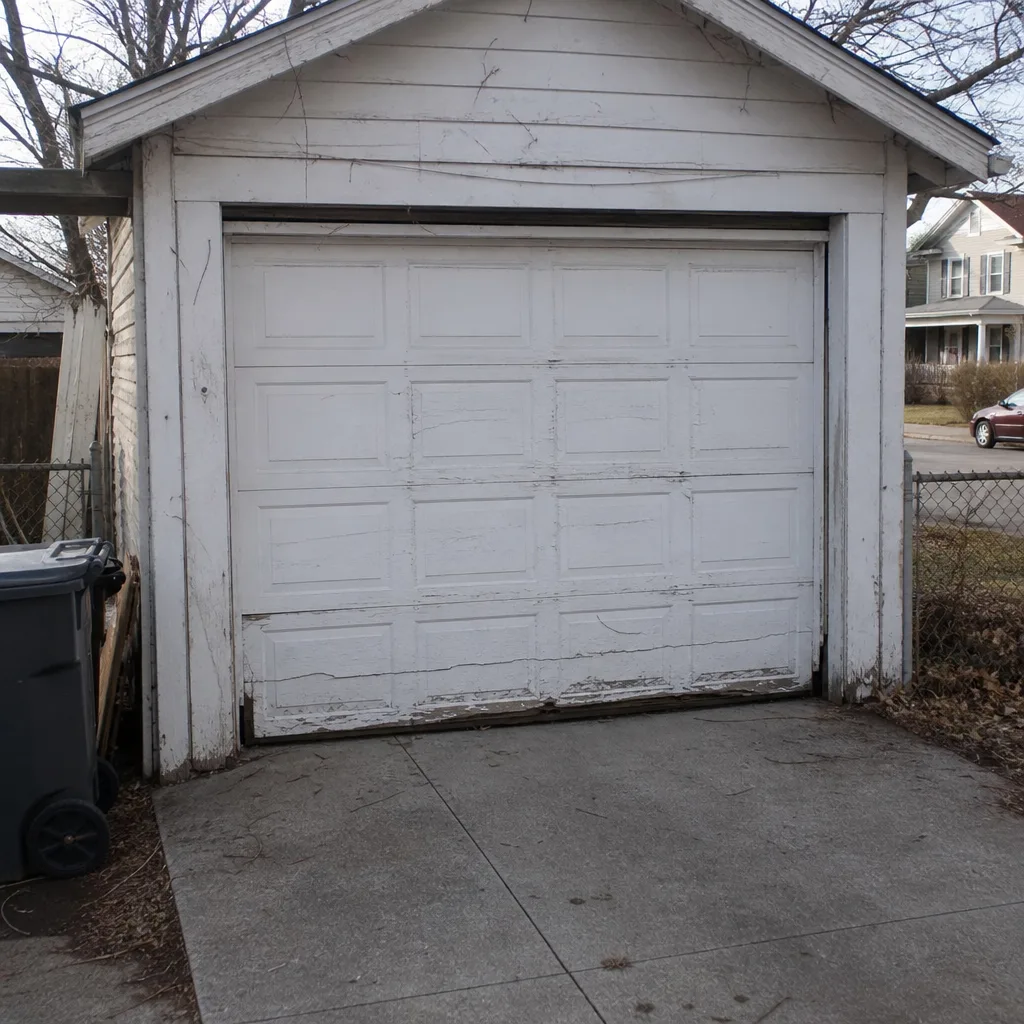 Before
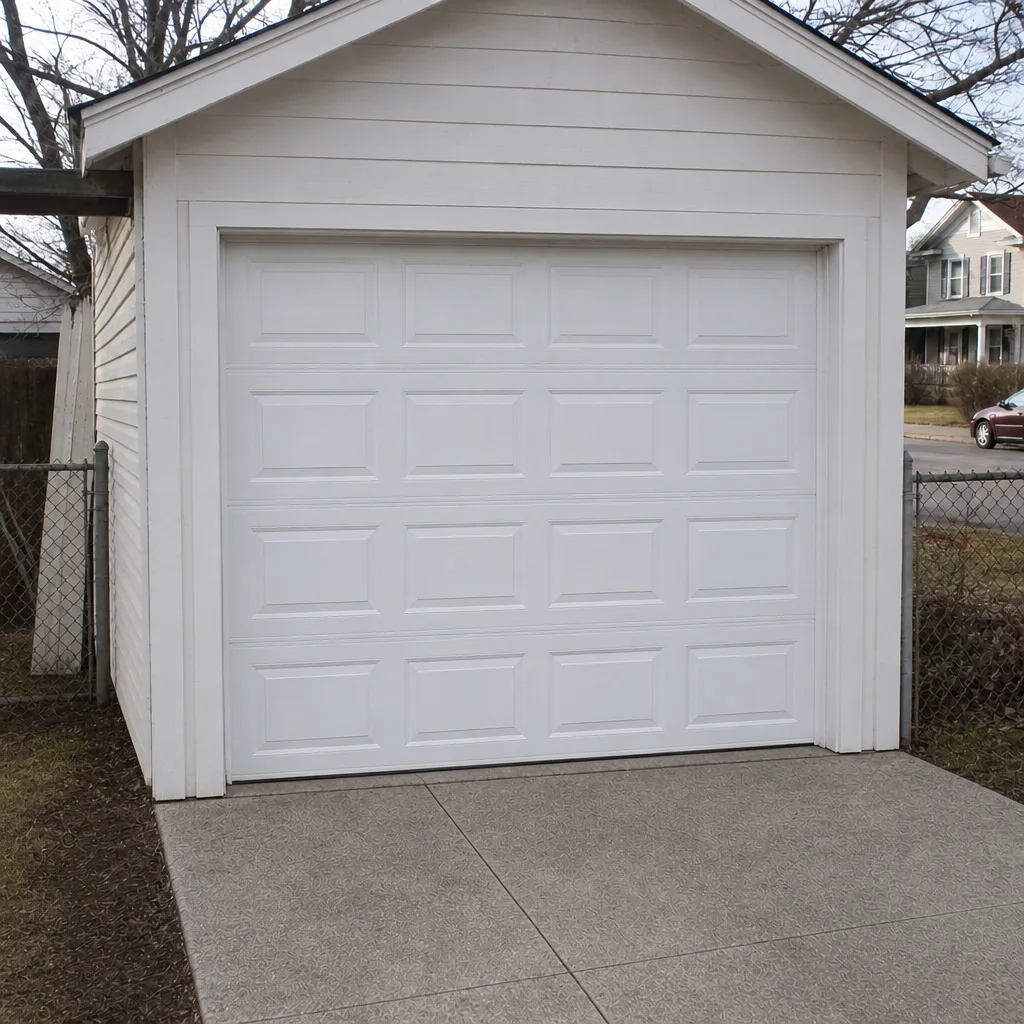 After
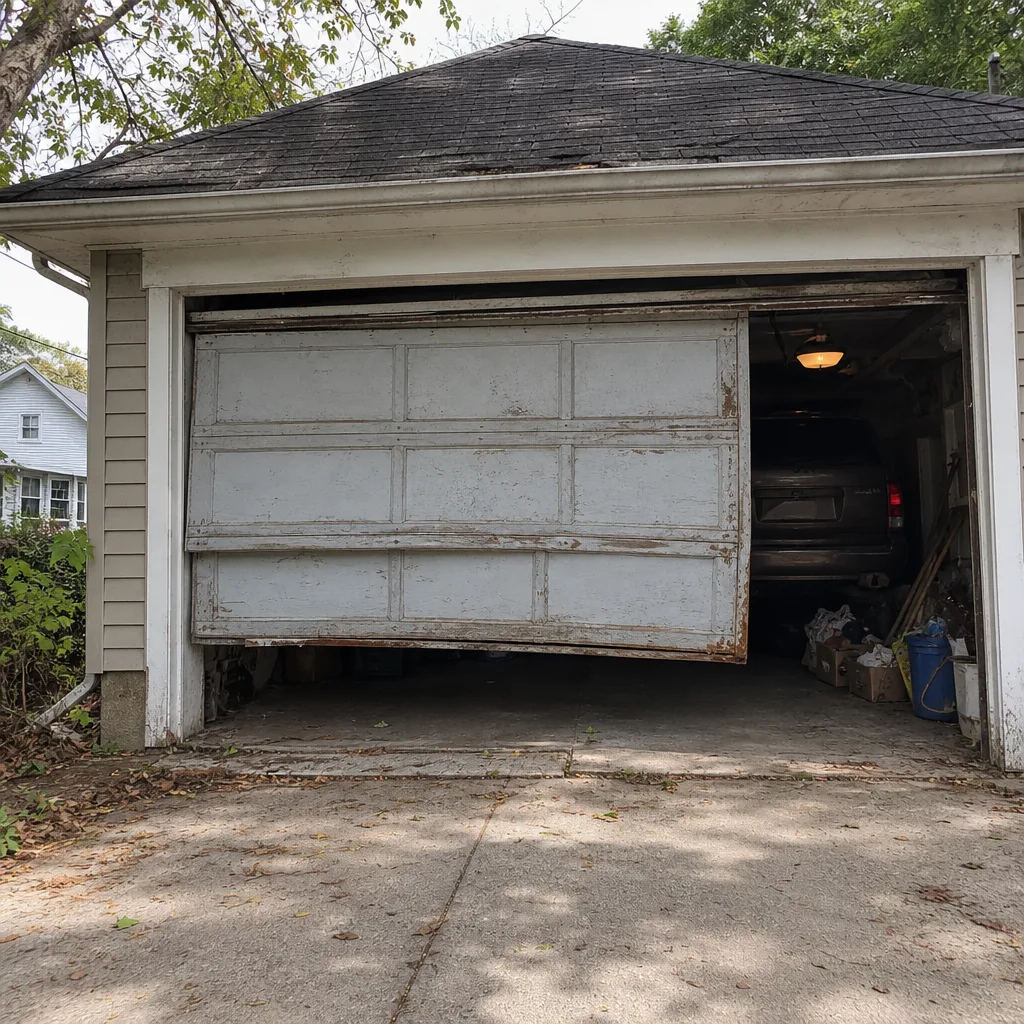 Before
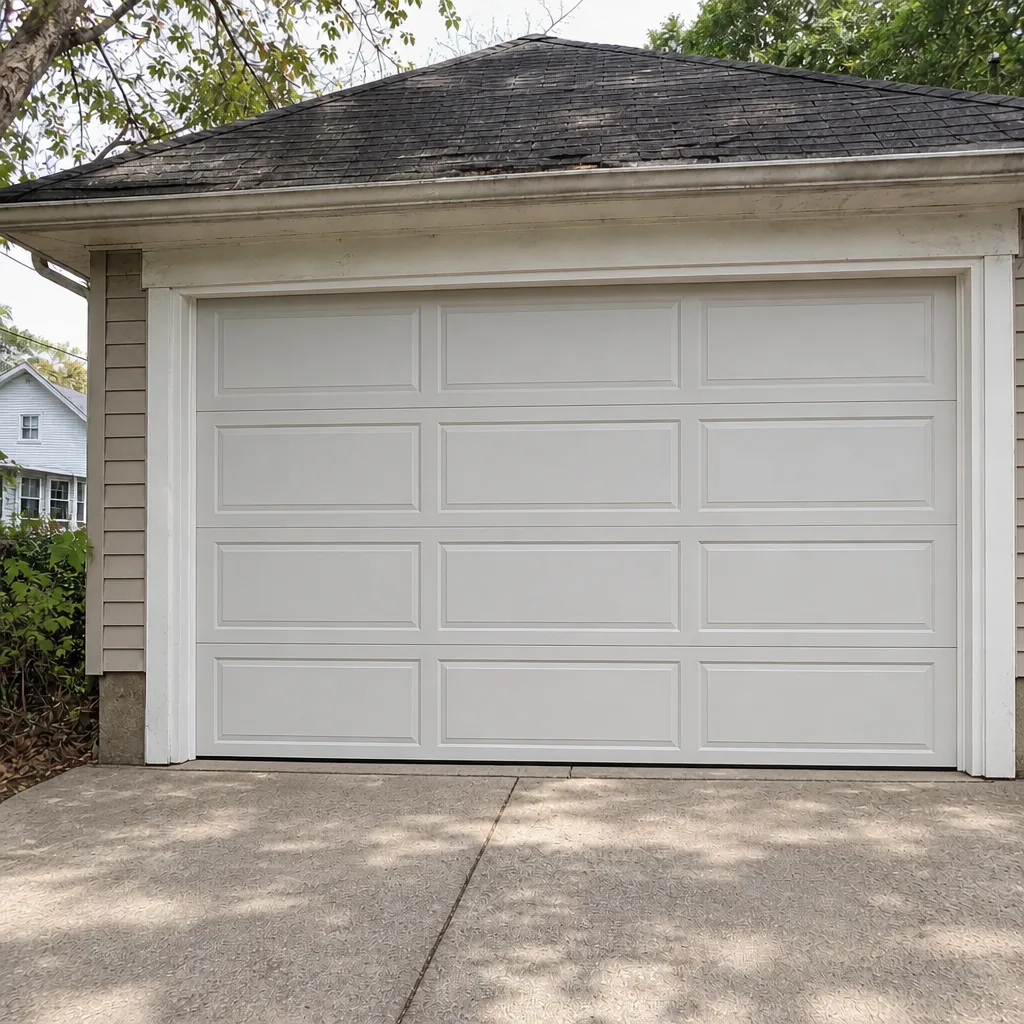 After
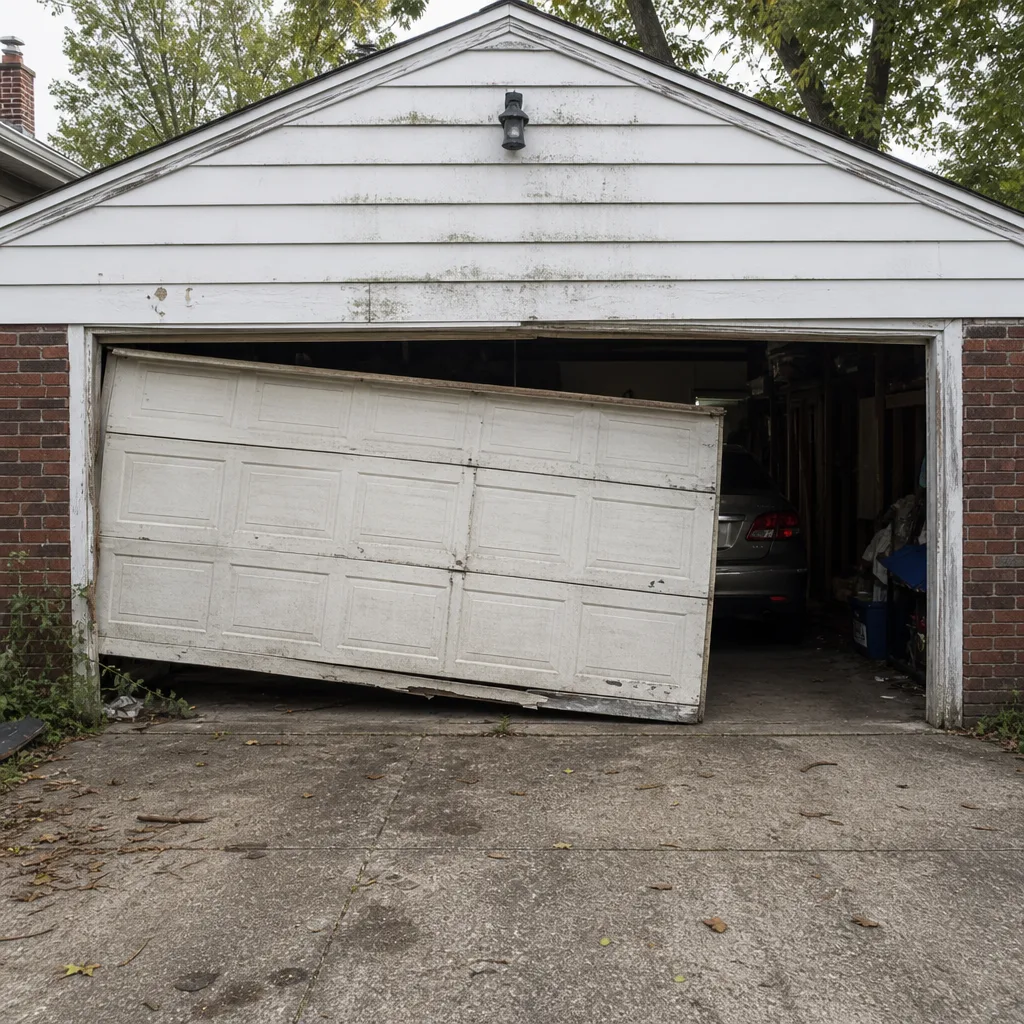 Before
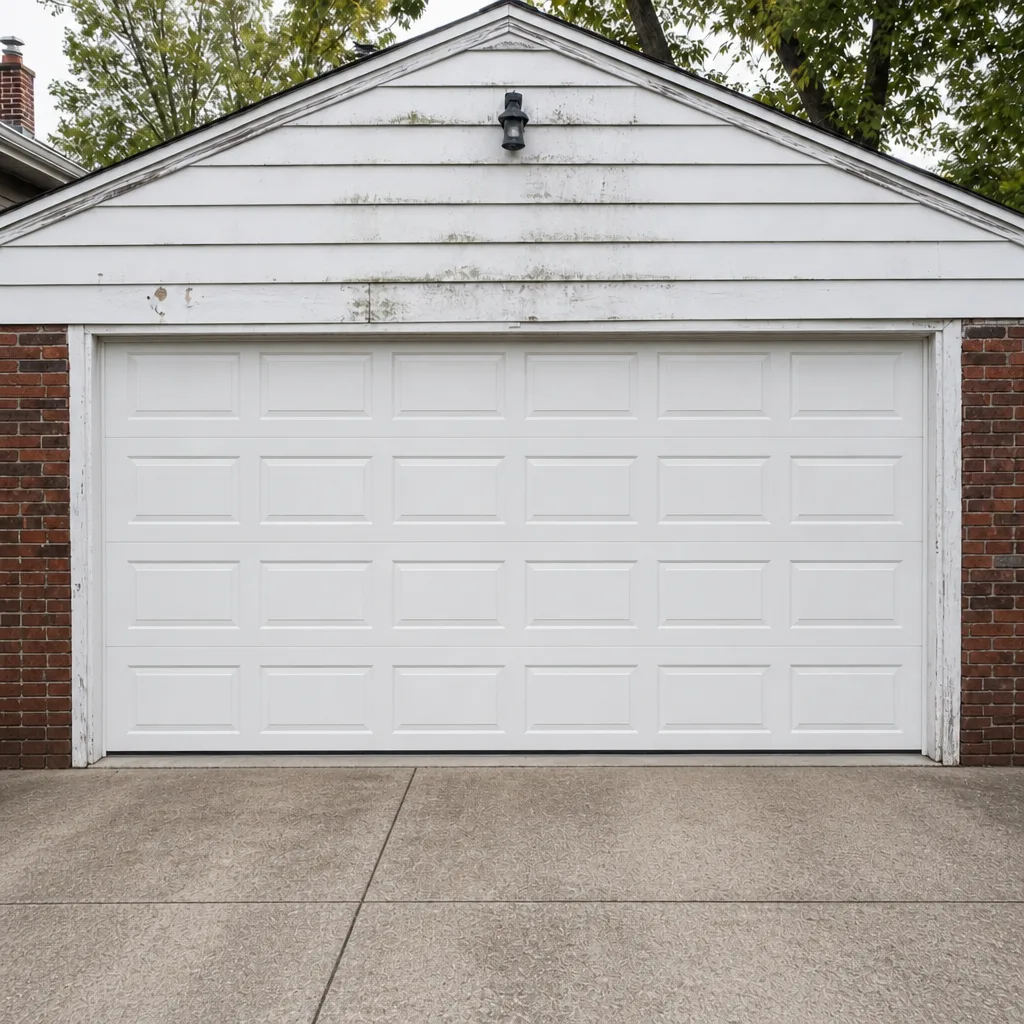 After
When to Call a Professional
Some garage door work in Broad Ripple is an honest DIY project and some of it isn’t. Replacing rollers, adjusting the safety sensors, programming a new remote on a LiftMaster or Chamberlain opener, and lubricating springs and hinges are all reasonable for a homeowner with basic tools. When you’re touching the springs, cables, the header, the framing or the electrical circuit, stop and call a professional. Torsion springs and cables are under extreme tension and can cause serious injury if they release unexpectedly. A technician who does this every day has the tools and training to handle them safely. The header and framing need an engineer’s eye when the opening is being changed. Electrical work needs a licensed electrician. If your Broad Ripple project involves any of these, or if you’re not sure whether a permit is needed, we can talk you through it. Garage Door Repair Broad Ripple offers free estimates in Broad Ripple – call (833) 968-9838. We answer 24/7. Fast dispatch from 7am to 7pm, Sunday through Friday.
Frequently Asked Questions
Usually not, if the door is a like-for-like replacement at the same opening size. If the new door changes the opening, the framing, or the electrical circuit, a permit is typically required. The quickest test: if the size and position of the opening stay the same, you’re usually in replacement territory. Call (833) 968-9838 for an exact quote on the work – estimates are free.
It depends on whether the electrical work is new. Swapping an opener on an existing circuit usually doesn’t need an electrical permit. Running a new circuit to a garage that never had power typically does. If you’re unsure, ask the city’s permit desk before you buy the opener. Call (833) 968-9838 if you want to talk through the scope before you commit – estimates are free.
Permit fees vary with the scope of work and are set by the city, so ask the permit desk for the current fee on your specific project. Spring repair itself never requires a permit in Marion County; it’s a mechanical repair that doesn’t alter the structure or the electrical. Call (833) 968-9838 if you’ve got a broken spring in Broad Ripple – we can usually diagnose and quote on the phone, and estimates are free.
A buyer’s inspector will often flag structural changes that don’t match the permit record, and the buyer’s lender may require the work to be permitted and inspected before closing. The cost and timeline to resolve depend on what was done. Getting ahead of it before you list – by pulling the permit retroactively and having the work inspected – is almost always cheaper than delaying a sale. Call (833) 968-9838 for an assessment of the door and its framing; estimates are free.
Simple residential alteration permits often get reviewed within a few business days, while structural changes that need plans review take longer. The inspection itself is usually quick, but the re-inspection queue is where timelines stretch. Ask the city’s permit desk for the current turnaround on your project type before you finalize a schedule with your contractor. Call (833) 968-9838 if the door needs to be installed once the permit is in hand – estimates are free.
The local professionals we connect you with are licensed and insured as their state requires, and you should always ask for proof before the work starts. For high-risk work like spring and cable replacement, that qualification matters more than for panel swaps. Call (833) 968-9838 with questions about your specific project – estimates are free.
The Bottom Line
Marion County’s permit rules for garage doors come down to one question: does the project change the opening, the framing or the electrical? If the answer is no, you’re likely in like-for-like replacement territory and can move quickly. If the answer is yes, plan for a permit, a framing review and an inspection before you schedule the door. Do the permit-history check before you buy or sell a house in Broad Ripple. Read the fire separation on any garage wall you’re remodeling. And don’t let a contractor talk you out of a permit on structural work – the risk ends up with the homeowner, and it surfaces at the worst possible time.
If you’re in Broad Ripple and want a straight answer on what your project needs, call (833) 968-9838 for a free estimate. We answer 24/7. Fast dispatch from 7am to 7pm, Sunday through Friday. We work on the brand you already own, whether that’s LiftMaster, Chamberlain, Genie, Raynor or another major opener, and we’ll tell you plainly when a job is a same-visit repair and when it needs a permit and a structural review. From a snapped spring to a full installation, garage doors are all we do, and getting the answer right up front is what keeps the project on schedule. You can also start with our Garage Door Repair Broad Ripple page for more on how we handle projects across the neighborhood.
Written by the team at Garage Door Repair Broad Ripple.